Tan: Investors turn to collectable art as property market cools
KUALA LUMPUR: Investors are increasingly turning to collectable art as an alternative to property while waiting for the real estate market to recover or reach its bottom, according to Henry Butcher Real Estate Sdn Bhd chief operating officer Tang Chee Meng.
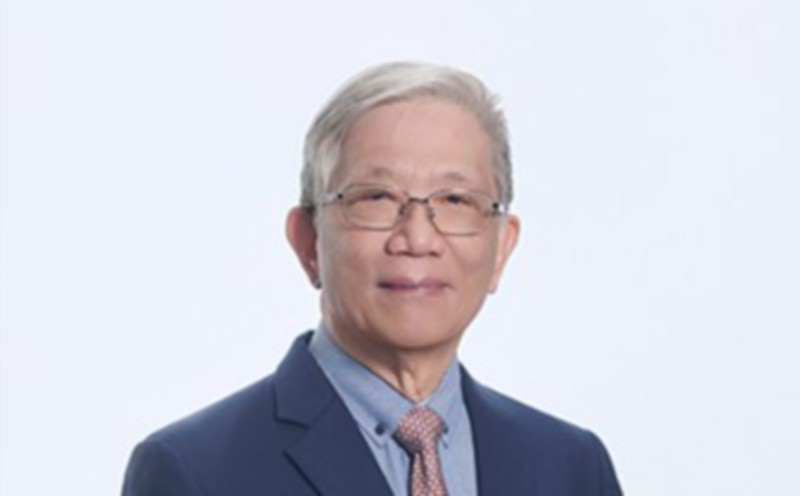
KUALA LUMPUR: Investors are gravitating towards collectable art as a viable alternative to property, as the real estate market cools, according to Tan Chee Meng, the Chief Operating Officer of Henry Butcher Real Estate Sdn Bhd. Rather than abandoning property entirely, investors are now expanding their portfolio by exploring other asset classes, such as stocks, fine art, premium Chinese tea, and cryptocurrencies.
Art auctions, which feature collectible pieces ranging from RM10,000 to RM600,000, have seen a surge in attendance, indicating a growing interest in alternative assets. The rising demand for high-quality works by renowned artists suggests that Malaysia's property market is transitioning into a more cautious phase, as developers face mounting construction costs and heightened uncertainty over project viability.
Factors such as rising crude oil prices, soaring material costs, and ongoing international conflicts are putting pressure on developers' margins, making the launch of new projects a more carefully scrutinized decision. Developers, especially those with less robust financial profiles, risk being caught in a precarious position if their projects fail to attract sales or if construction costs continue to rise.
The situation poses a risk for developers who may commit to construction contracts at current prices, only to encounter higher building material and other input costs down the line. In some cases, projects might even be delayed or abandoned midway, should sales remain sluggish while construction expenses keep escalating.
Despite the cautious approach, the market is not in a downturn, as demand persists for well-located properties that are reasonably priced. Investors are displaying a cautious and selective buying behavior, particularly in the higher-priced segment, where they have greater flexibility to postpone purchases. Political uncertainty, including the upcoming 16th General Election, could further amplify this cautious sentiment.
Amidst the current environment, cash-rich developers stand to benefit, as the broader market becomes less aggressive. These financially stronger developers can capitalize on opportunities to acquire strategically located land that might have been prohibitively expensive during a property boom. High-quality landed properties in established and sought-after locations continue to be resilient assets, although buyers are becoming increasingly discerning in their decision-making.
The result is a market characterized by neither outright decline nor the exuberance of previous cycles. Instead, developers and buyers are closely monitoring each other's actions, with developers hesitant to launch new projects without sufficient sales visibility and buyers willing to wait until location, pricing, and broader economic conditions provide adequate confidence to proceed.
Written by urgent.news from New Straits Times's reporting — not their text. Machine-written — may contain errors; check the original before relying on it.