Some Chinese workers see an ally in Brussels as EU trade tensions mount
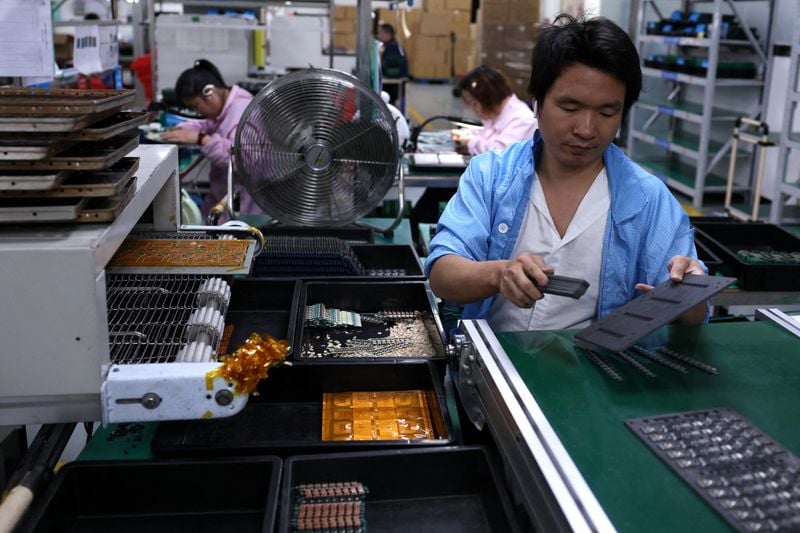
Some Chinese workers are finding a possible ally in Brussels as trade tensions rise between the European Union and China. A new EU regulation, set to take effect in 2027, bans goods produced with forced labor, a move that resonates with Chinese workers who complain about the 996 culture—excessive overtime of 12-hour shifts, six days a week.
The EU has criticized China's weak domestic demand caused by low wages and inadequate labor protections, which is leading to job losses and prompting Chinese firms to look for overseas markets.
On Chinese social media, discussions about the regulation are gaining traction. RedNote, a platform similar to Instagram, saw a post about the EU Forced Labour Regulation garner nearly 3,000 likes before being removed. Commenters largely supported the sanctions and shared ways to file complaints with EU authorities. This online interest reflects growing concerns over a weakening labor market and pressure from employers dealing with deflationary price wars due to overcapacity and export market competition.
Analysts note that workers are considering the long-term impact of the regulation. Mingwei Liu, a director at the Centre for Global Work and Employment at Rutgers University, explained that while individual overtime disputes might not concern companies, the threat of losing access to Western markets is a significant issue. With China's human resources ministry and cyberspace administration not responding to requests for comment, the divergence between the interests of Chinese exporters and workers remains evident.
On Douyin, China's TikTok-like platform, videos tagged with "EU reporting website" and "EU reporting procedures" have received over 200,000 views. One video explaining the formal complaints process garnered 5,442 likes and 714 shares. Despite online censorship efforts, the topic's emergence shows that many Chinese individuals do not consider exporters' interests to be the same as national interests.
The EU's Commission has received informal allegations of labor violations, including excessive overtime, but has not observed a significant rise in complaints recently. Social media users have also suggested lodging complaints with Washington. In July, the U.S. imposed tariffs of up to 12.5% on goods from 60 trading partners, including the EU and China, over alleged failures to curb forced labor.
While a Customs and Border Protection spokesperson declined to discuss specific complaints, they indicated that evidence of extreme, systemic unpaid overtime could trigger supply-chain investigations.
China struggles with enforcing worker protections, as people work more than 48 hours a week on average, surpassing the legal limit of 44 hours. This enforcement gap has led to companies like appliance maker Midea introducing mandatory clock-off times. A CPPCC member, Lu Ming, called for stronger labor protections, warning that China’s image and trade relations could be harmed by this issue.
Written by urgent.news from Investing.com's reporting — not their text. Machine-written — may contain errors; check the original before relying on it.