Solasta 2 is getting multiplayer and warlocks in its next update
So anyway, I started eldritch blasting.
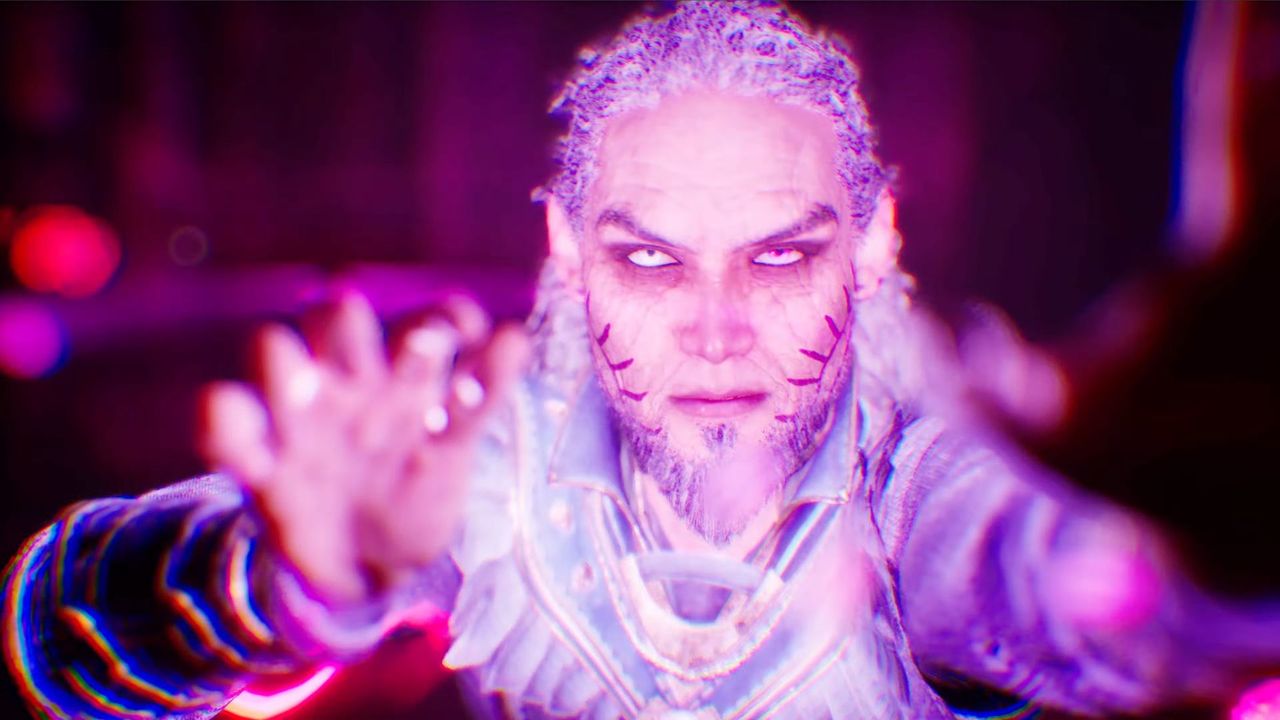
Solasta 2, a D&D game, is set to receive multiplayer functionality and the warlock class in its next update. Early access update 1 will introduce the warlock along with two subclasses - the timekeeper and the dreamer. Up to four players can join a multiplayer session, whether starting a new game or joining an existing one. The host can assign a player an existing character or create a new one.
Players will have a vote on major story and dialogue choices, and a new ping system will aid communication. Additional customization options are also being added, including more hairstyles, tattoos, warpaint, and beards. Stat rolls can be randomized, and spell component rules can be made optional. The update will also feature roughly 30 new world events, cloud saves, and a cautious mode for controller users.
The warlock's subclass abilities are distinct from traditional warlocks, with the timekeeper buffing allies and robbing enemies of their reactions, while the dreamer inflicts exhaustion and sleep. Early access update 1 is slated for September 10, followed by another update adding more classes, ancestries, act two, an increased level cap, and a crafting system. Solasta 2 is currently available on Steam.
Written by urgent.news from PC Gamer's reporting — not their text. Machine-written — may contain errors; check the original before relying on it.