Senegal-made sickle cell treatment raises hopes, reduces costs
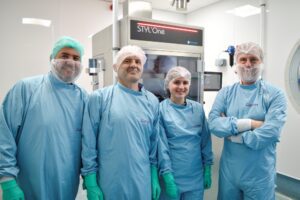
For the first time in Africa, a Senegalese laboratory is producing generic hydroxyurea, the gold standard in sickle cell treatment with the hopes of providing cheaper treatment medication.
An 18-year-old Senegalese teenager, Mamadou Tahirou, faces daily struggles due to sickle cell disease, a hereditary condition affecting millions worldwide. The disease causes bone pain, severe anemia, fatigue, and intense headaches, often leading to frequent hospitalizations. Tahirou's mother, Rabiatou, watches helplessly as her son's life is dictated by the disease.
Africa bears nearly 80% of sickle cell disease cases, yet the continent remains reliant on expensive medicines imported from Europe and the Americas, particularly hydroxyurea, the WHO's recommended treatment. Teranga Pharma, a Senegalese pharmaceutical firm, is producing its own generic hydroxyurea, Drepaf, for the first time in Africa. The drug aims to reduce the frequency of painful crises by threefold.
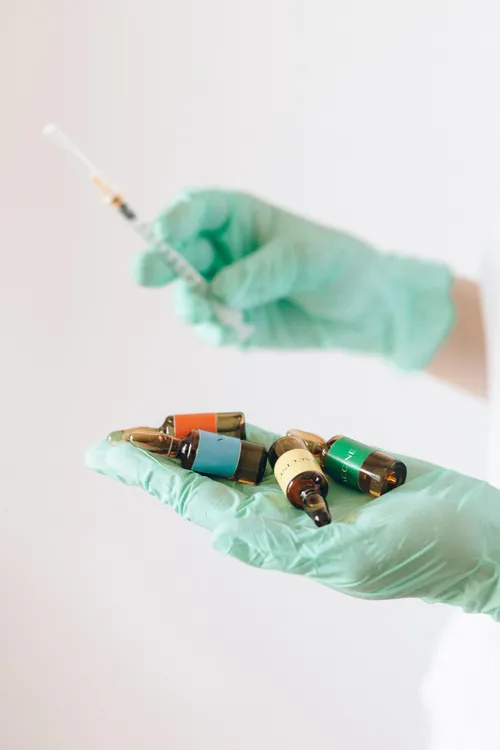
Drepaf comes in 500 milligram doses for adults and 100 milligrams for children, with wholesale prices of 3,000 and 1,500 CFA, respectively. In comparison, imported Hydrea and Siklos cost up to three times as much. Teranga Pharma CEO Mouhamadou Sow, a pharmacist himself, emphasized that Drepaf's pediatric version caters to patients from nine months old, filling a critical gap in local treatment options.
The drug launch in November 2025 garnered interest from several African countries, including Burkina Faso, Guinea, and Ivory Coast, with plans to serve the entire sub-Saharan continent by 2030. Teranga Pharma aims to strengthen Africa's pharmaceutical sovereignty through this initiative, backed by 4 billion CFA ($7.1 million) in funding.
Early screening and awareness are also playing a crucial role in managing the disease. Magueye Ndiaye, president of the Senegalese Association for the Fight Against Sickle Cell Disease, noted that patients who receive early treatment fare better. With Drepaf offering a more affordable and suitable option, patients like Tahirou and his family see hope for a more manageable life.
Written by urgent.news from IOL's reporting — not their text. Machine-written — may contain errors; check the original before relying on it.
This story
This is one outlet's version. Read the fullest account.
- Senegal-made sickle cell treatment raises hopes, reduces costs medicalxpress.com