Self-Mythologizing on the Radio: A Brief History of Audio Patriotism
It feels fitting, in the country’s semiquincentennial, to reflect on the ways in which we have mythologized ourselves over the past 250 years. As you might imagine, the Golden Age of Radio, in which the medium was in lock-step with
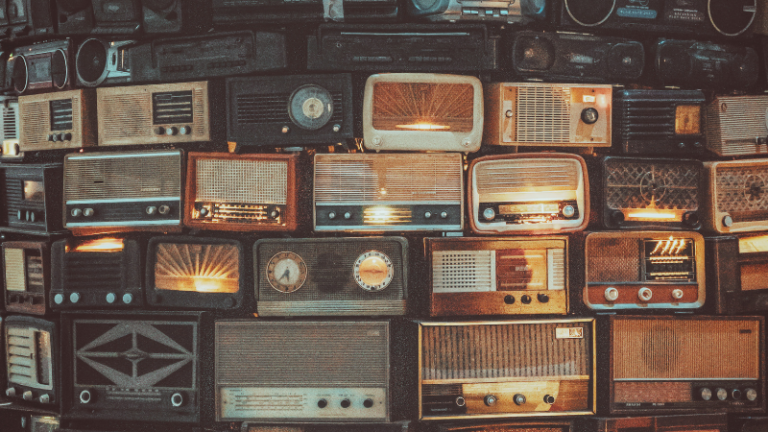
The Golden Age of Radio, during the country's semiquincentennial, showcased a surge of patriotically charged programming on the three major commercial networks. This era lacked a documentary form for audio, leaving little room for questioning the narrative. Time magazine's The March of Time attempted to bridge promotion and radio drama by adapting weekly print stories into concise radio plays.
American ideals were dramatized in programs like Main Street U.S.A, produced by Himan Brown, which warned of losing freedom's privileges during the Nazi's advancement in Europe. As the country entered war, Brown's series transformed into Green Valley U.S.A, emphasizing community roles in supporting the war effort through various initiatives.
An NPR series, Wade in the Water, explored the history and traditions of African American sacred music, while the 1619 Project shed light on the history of slavery and its ongoing impact. PRX Productions’ Monumental featured independent producers interrogating the history reflected in public monuments, aiming to challenge the narrative surrounding American history.
Written by urgent.news from Literary Hub's reporting — not their text. Machine-written — may contain errors; check the original before relying on it.