Saudi environment minister visits Pakistan to boost food production ties
Saudi Minister of Environment, Water and Agriculture Abdulrahman Al-Fadley visits Pakistan to enhance cooperation in food production and water management.
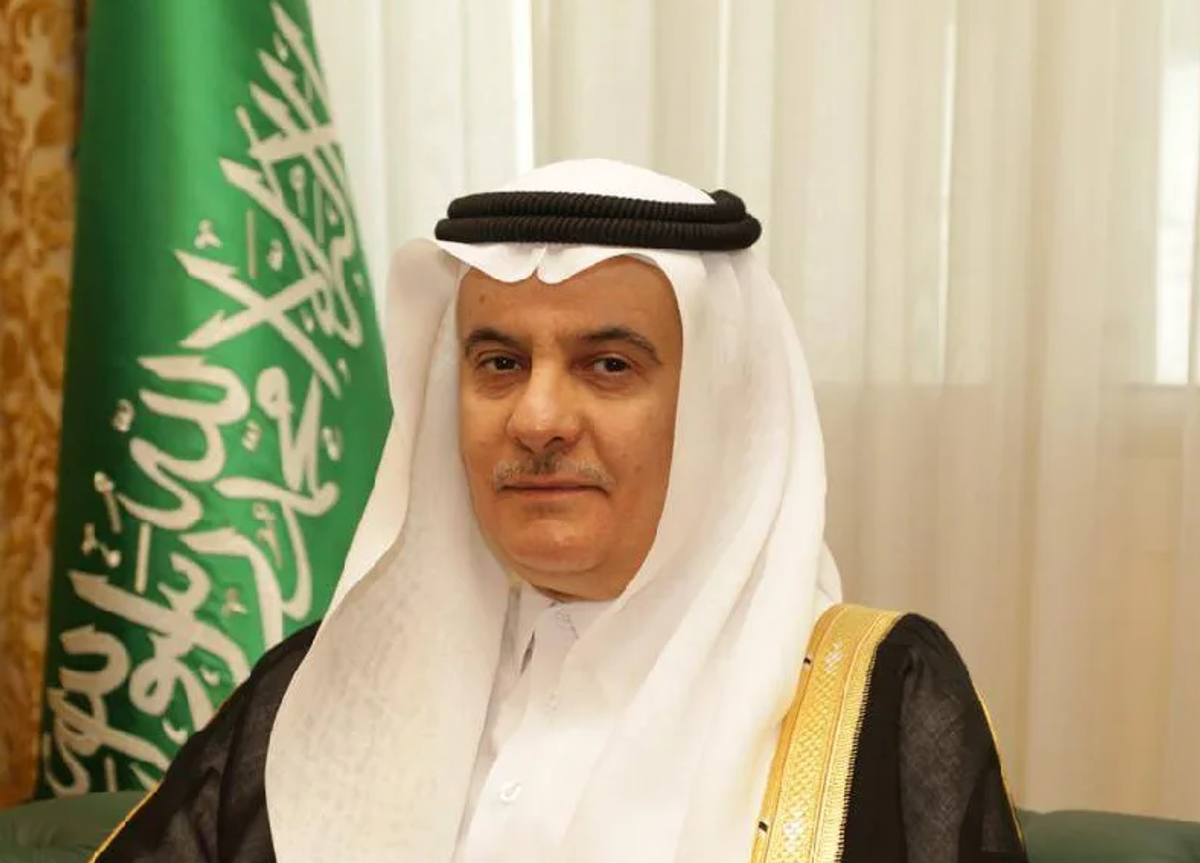
Saudi Environment Minister Abdulrahman Al-Fadley embarked on a visit to Pakistan on Wednesday, seeking to bolster cooperation in food production and water management between the two nations. The primary objective of Al-Fadley's trip was to explore avenues for improving irrigation and water systems, thereby enhancing food security and fostering bilateral trade.
Al-Fadley was accompanied by a delegation of officials who were set to engage in discussions with Pakistani government representatives. The meetings aimed to identify potential areas of joint cooperation, broaden partnership prospects, and evaluate key opportunities in agricultural and livestock production, as well as food processing.
The focus of these talks would also encompass the exchange of experiences and expertise to promote the sustainability and growth of the agricultural sector. This visit underscored the dedication of both countries to fortifying bilateral ties and augmenting high-value economic cooperation.
During the course of the visit, Al-Fadley's discussions would also touch upon mutual investment opportunities in the realm of food security. This strategic alignment would contribute to the attainment of both nations' objectives and the strengthening of their partnership.
Written by urgent.news from Ajel English's reporting — not their text. Machine-written — may contain errors; check the original before relying on it.
This story
This is one outlet's version. Read the fullest account.