Rupee slide, valuation rules put foreign asset disclosure scheme out of reach for many
The rupee's depreciation and strict valuation rules hinder foreign income disclosure. A one-time voluntary disclosure window allows regularization of overseas assets up to one crore. However, many exceed this limit due to currency conversion dates and asset values. Taxpayers explore updated returns and disclosure schemes, risking misrepresentation claims. Clarification on valuation rules is…
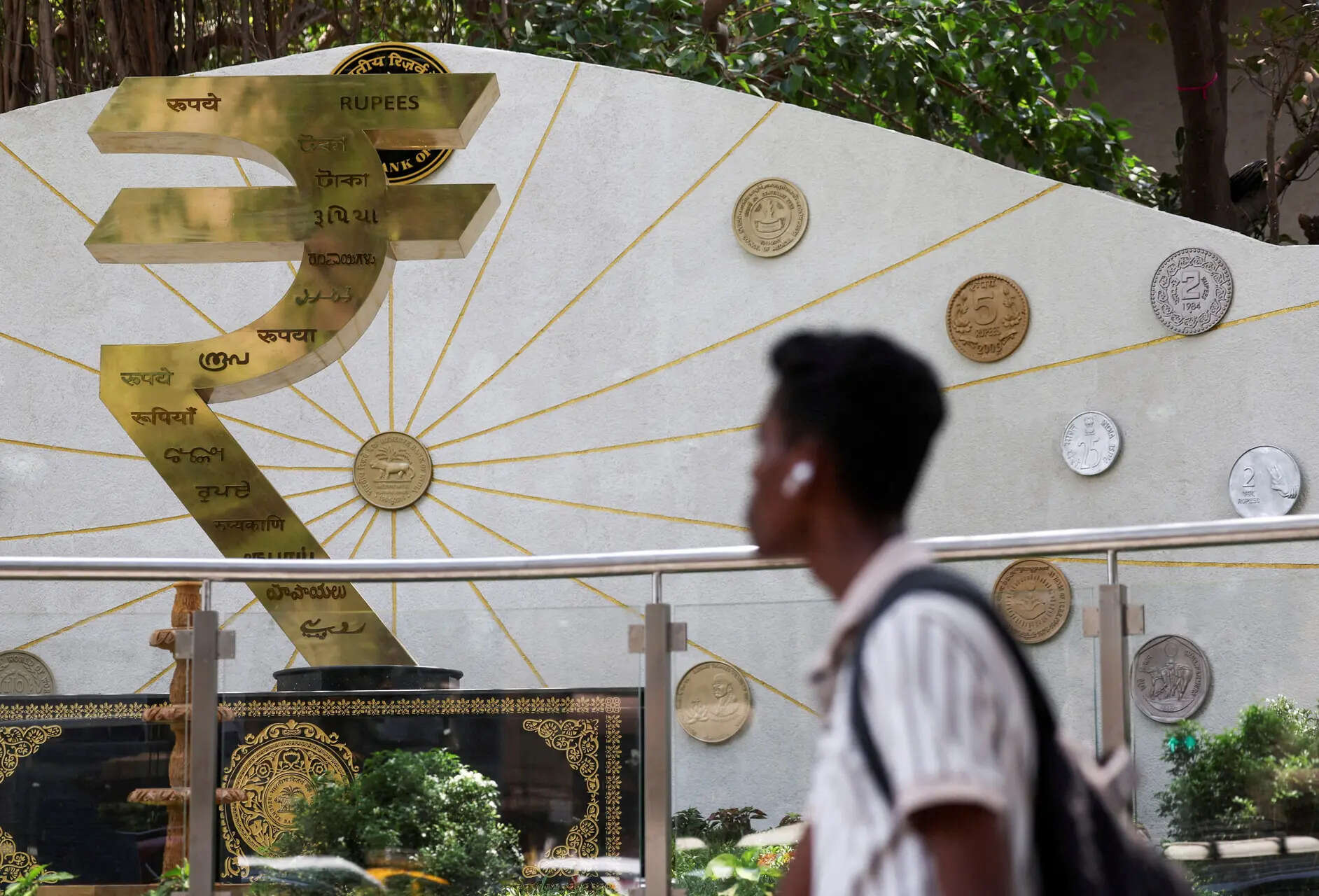
The rupee's decline over the past few years, coupled with stringent valuation rules and the low threshold of ₹1 crore, is discouraging many individuals who wish to disclose undisclosed foreign income and assets. The voluntary disclosure window, opened on August 16, permits the regularization of overseas stocks, properties, ESOPs, dividends, and interest up to ₹1 crore, provided a 60% tax and penalty are paid.
While the exchange rate for converting dollar assets into INR is fixed as March 31, 2026, the rules do not specify the corresponding date for income calculation. Consequently, the valuation date for income could be March 31, 2026, if the date of the foreign asset notice to the assessing officer is considered, according to Ved Jain, former ICAI president.
However, chartered accountant Ashish Karundia asserts that undisclosed foreign income refers to earnings from a source outside India that was taxable in India but not reported under the 1961 I-T law. To determine such income, taxpayers need to refer to the I-T Rules, 1962, including Rule 115, which outlines the conversion of foreign-currency income.
Therefore, the applicable exchange rate is the one prevailing during the year the income was earned. Taxpayers with undisclosed income above ₹1 crore (e.g., ₹2 crore) are considering options like filing an updated return and then filing under the Foreign Assets of Small Taxpayers Disclosure Scheme, 2026 (FAST-DS), to potentially save on tax outgo.
The scheme allows for the declaration of up to ₹5 crore in foreign assets acquired through tax-paid money by residents using the liberalized remittance scheme or returning NRIs who failed to declare foreign accounts. However, valuation rules can lead to complex situations. For instance, if a foreign asset purchased for ₹5.25 crore is now worth ₹3 crore, its value for the scheme might still be ₹5.25 crore, potentially excluding the taxpayer from the scheme.
Additionally, if the prescribed valuation is not done, the indexed cost of acquisition may become the deemed fair market value, pushing taxpayers beyond the ₹5 crore limit. Chokshi emphasizes the need for clearer guidelines on falling-value assets and borderline cases to ensure proper eligibility and compliance.
Written by urgent.news from The Economic Times - Economy's reporting — not their text. Machine-written — may contain errors; check the original before relying on it.