Restoring lakes by going beyond quick fixes
In cities such as Hyderabad, Bengaluru, and Mumbai, peri-urban land that once served as agricultural fields or natural lake catchments has mutated into prime real estate
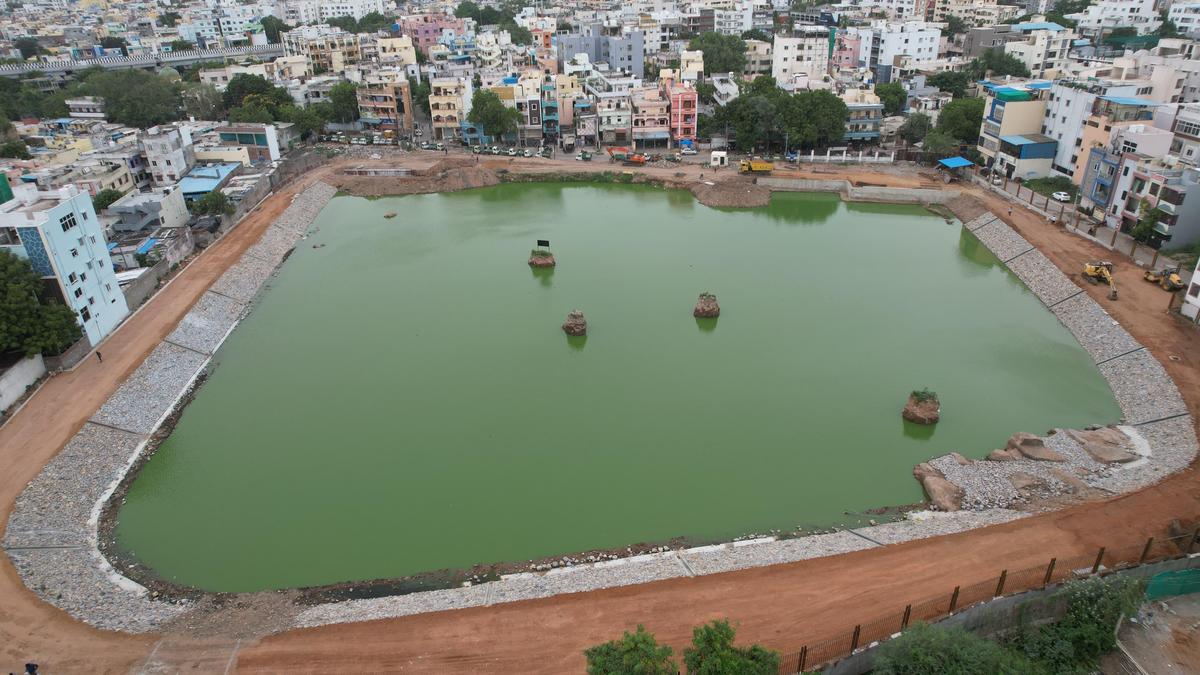
Wetlands, including urban lakes, cover nearly 6% of the Earth's surface and store a disproportionately large share of carbon. They contribute immensely to biodiversity, climate regulation, and human well-being. However, lakes are disappearing at an alarming rate, often becoming biologically dead or heavily polluted. Rapid and unplanned urbanization, coupled with institutional and public apathy, has led to the destruction of these vital ecosystems.
Cities are treating lakes as vacant land rather than as critical ecological infrastructure, resulting in their encroachment and disappearance. Pollution from untreated sewage, industrial effluents, and municipal waste further compounds the problem. Data reveals massive shrinkage in lakes, such as over 500 lakes lost in J&K since 1967 and a 61% loss in Hyderabad's lake area since 1979.
As cities face increasing heat islands and unpredictable flooding, lakes need to be treated as urban climate buffers and sponge systems. Half a century ago, land was relatively affordable and urban expansion was moderate, allowing lakes to be respected for their functional assets. Today, land prices have surged, turning lakes into a perceived opportunity cost.
Encroachment becomes economically incentivized, leading to wetlands being filled, fragmented, and repurposed for housing, highways, and commercial complexes. While initiatives like the Atal Mission for Rejuvenation and Urban Transformation and the Jal Shakti Abhiyan provide policy frameworks, their ground impact is often diluted due to fragmented accountability, weak inter-departmental coordination, and a focus on beautification over ecological recovery.
The newly formed Hyderabad Disaster Response and Asset Protection Agency (HYDRAA) has shown promise by reclaiming encroached lakebeds, clearing illegal structures, and restoring natural hydrological flows. Grassroots citizen movements have also successfully revived dying water bodies through community involvement. However, these successes remain isolated without institutionalized legal backing, sustained state funding, and unyielding enforcement.
Resolving the crisis requires deep structural reform, integrating water bodies into city planning, providing legal protection for lake boundaries and catchments, streamlining governance, and institutionalizing citizen engagement. Cities that restore lakes as living ecosystems will secure their resilience in a warming, water-stressed future.
Written by urgent.news from The Hindu - Sci-Tech's reporting — not their text. Machine-written — may contain errors; check the original before relying on it.