Radiation shielding vest could reduce cancer risk for astronauts on deep space missions
A new personal radiation shielding vest tested during the Artemis I flight could significantly reduce the radiation dose that future astronauts might receive The post Radiation shielding vest could reduce cancer risk for astronauts on deep space missions appeared first on Physics World .
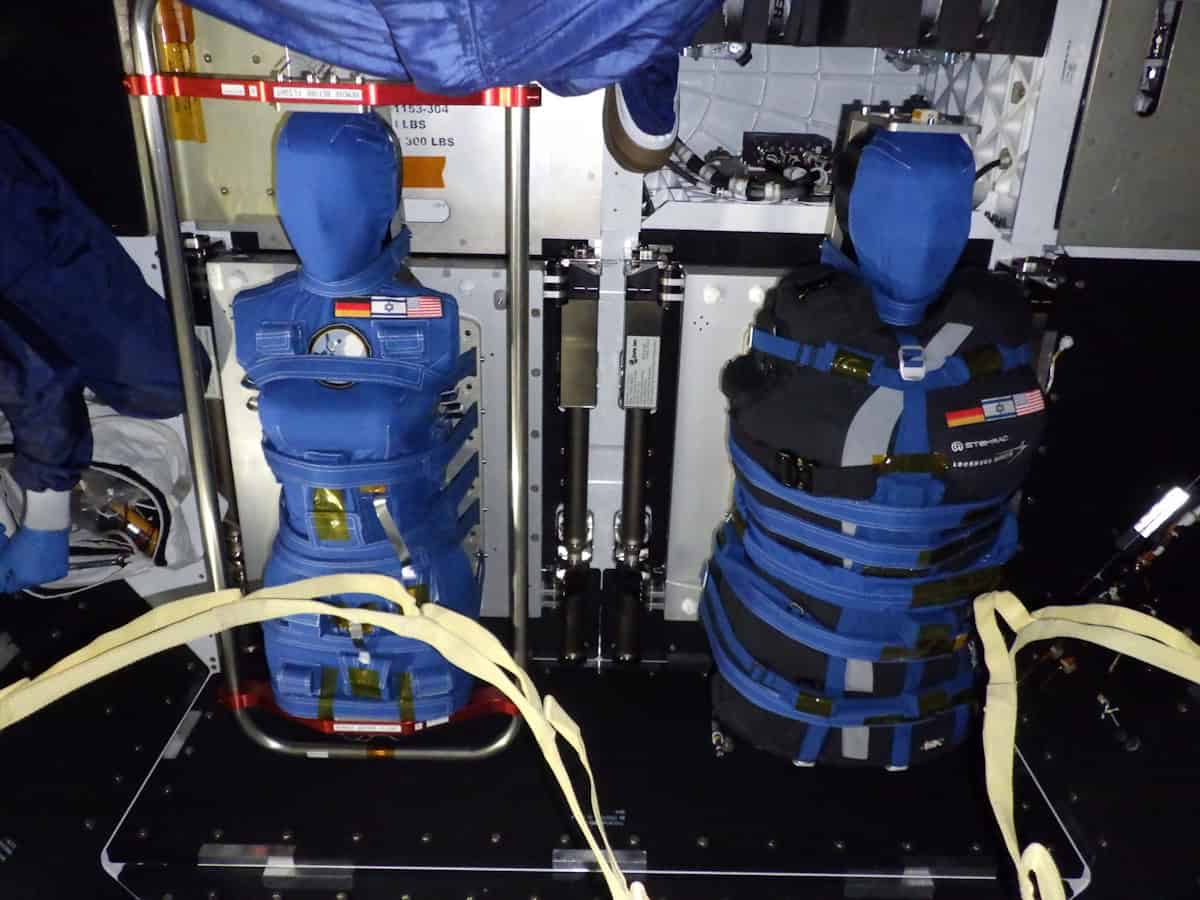
A radiation shielding vest called AstroRad has shown promise in reducing the radiation dose that astronauts may receive during deep-space missions, according to a study conducted during the uncrewed Artemis I flight in 2022. The vest, developed by StemRad Radiation Protection in collaboration with Lockheed Martin, was tested using human-tissue-equivalent female torso phantoms named Helga and Zohar.
The Zohar phantom, which wore the AstroRad vest, experienced a significantly lower radiation dose compared to the Helga phantom, which did not wear the vest. This reduction in radiation exposure is crucial, as astronauts are exposed to harmful radiation during deep-space missions, with a single major solar particle event potentially delivering more than one-third of NASA's 600 millisievert career effective-dose limit.
The AstroRad vest's design features varying thicknesses of shielding throughout the garment, with concentrated shielding in areas with high radiation sensitivity such as the breasts, colon, lungs, ovaries, stomach, and red bone marrow. The vest is made from HDPE, a material with a high proportion of hydrogen, which is effective at shielding against charged particle space radiation.
Brief written by urgent.news from Physics World's own syndicated text. Machine-written — may contain errors; check the original before relying on it.