Proton VPN’s anti-censorship Stealth protocol finally lands on the stable Linux release
Proton VPN's custom obfuscation protocol, Stealth, is rolling out to the main Linux application. Here is what you need to know about the stability update and how to get it running on your distro.
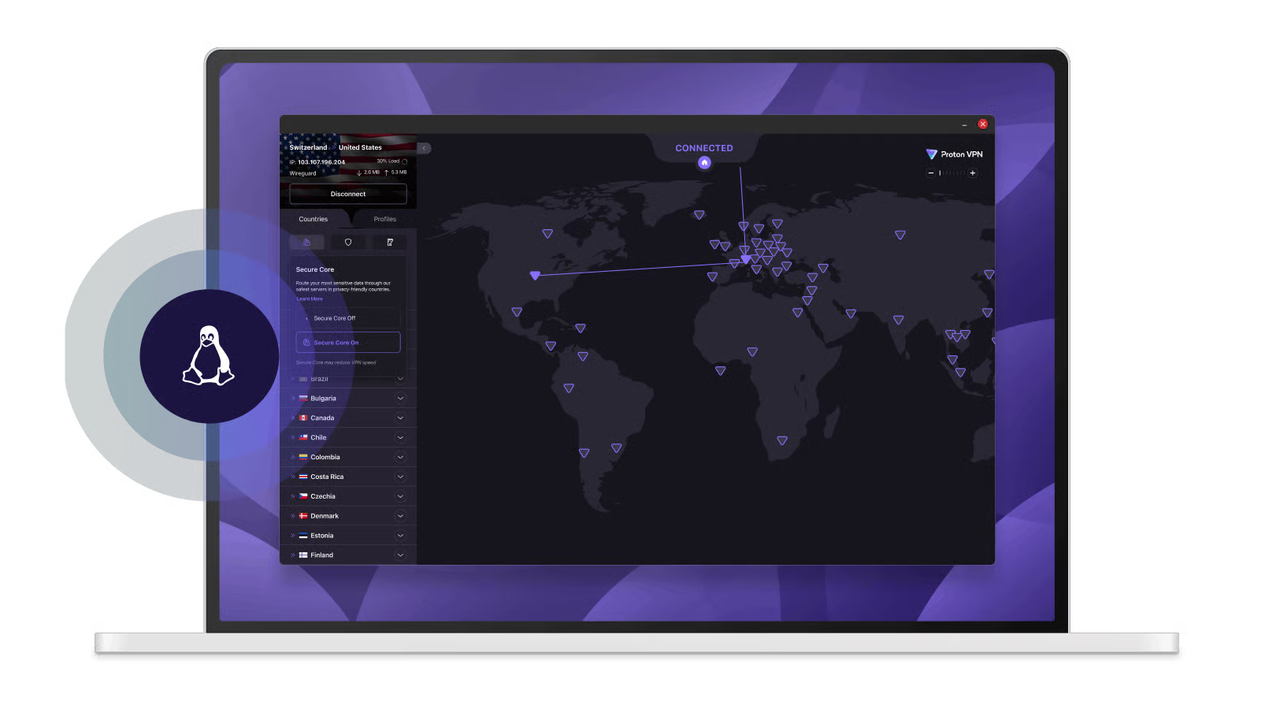
Proton VPN's Stealth protocol has officially transitioned to the stable Linux release, making it easier for users to bypass restrictive firewalls and internet blockades. This upgrade comes after months of rigorous testing and follows a series of major Linux-focused enhancements. The Stealth protocol, designed to help users in highly restrictive regions like Russia and Iran, works by obfuscating VPN traffic within an extra layer of TLS encryption, making it appear as standard secure web browsing (HTTPS).
This makes it difficult for network administrators, ISPs, and government censors to detect and block VPN usage using deep packet inspection (DPI). After being initially launched in beta for Linux users, the Stealth protocol is now rolled out to the main branch for everyday users to access out of the box. Proton VPN continues to invest in delivering the best Linux VPN experience, and the company encourages users to report any issues they encounter with the Stealth protocol to help ensure its compatibility across various distros, network conditions, and edge cases.
Written by urgent.news from TechRadar's reporting — not their text. Machine-written — may contain errors; check the original before relying on it.