Oil Prices Fall Over 2.5% As Strait Of Hormuz Reopening Hopes Ease Global Supply Concerns
Oil prices extended their decline on Wednesday, falling over 2.5% as expectations of improved shipping through the Strait of Hormuz eased concerns about disruptions to global crude supplies. The fall followed a more than 3% drop in both major benchmarks during the previous session. Brent crude futures fell $2.30, or 2.6%, to $86.28 a barrel, while US West Texas Intermediate (WTI) crude declined…
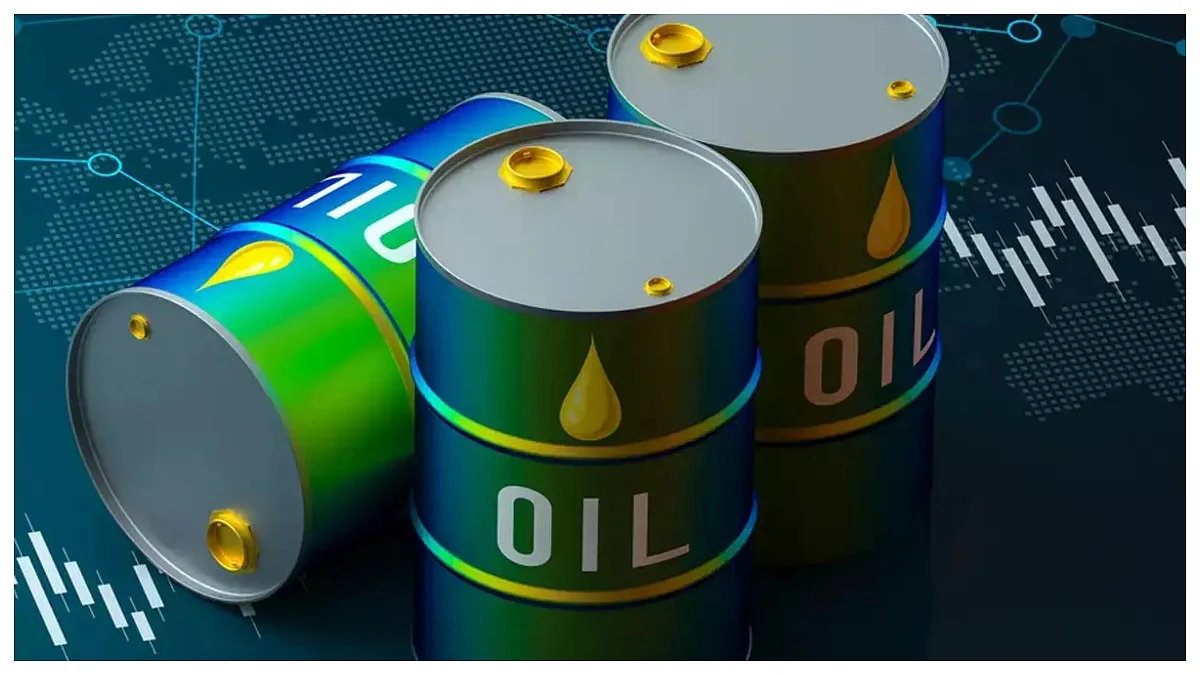
Oil prices plummeted more than 2.5% on Wednesday as optimism surrounding the potential reopening of the Strait of Hormuz eased apprehensions about global crude supply disruptions. This followed a more than 3% decline in both key benchmarks the previous trading day. Brent crude futures slipped $2.30, or 2.6%, to $86.28 per barrel, while US West Texas Intermediate (WTI) crude dropped $2, or 2.5%, to $80.29.
The recent price slide followed reports that Iran had recommenced talks with Oman to manage vessel movement through the strategically vital waterway. Iran and Oman have been engaged in intermittent discussions in recent weeks amid heightened regional tensions that have disrupted shipping. As crude prices ease, investor sentiment strengthened, supporting early market gains.
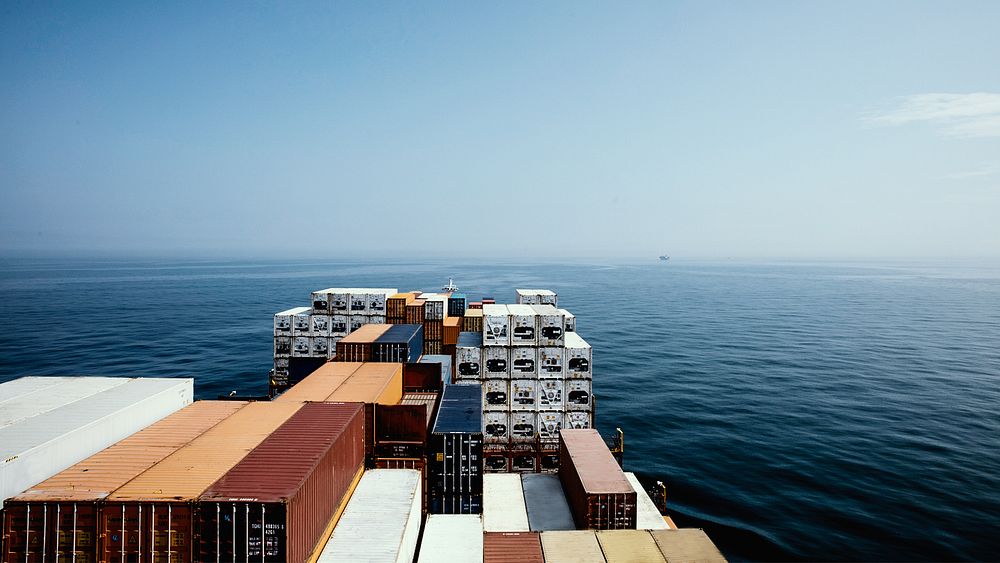
The Strait of Hormuz, a critical energy corridor, carries approximately one-fifth of global oil and liquefied natural gas shipments before the conflict erupted. Restoring normal traffic through the strait could thus alleviate pressure on international energy markets and diminish the risk premium attached to crude prices.
Despite the US announcing fresh secondary sanctions targeting Iran, oil prices still fell, underscoring that expectations surrounding the Strait of Hormuz are presently shaping market sentiment. Iran and Pakistan have also engaged in discussions aimed at restoring an interim ceasefire with the US. Pakistan's interior minister reported progress towards reopening the waterway, further bolstering expectations that shipping disruptions may gradually subside.
However, the oil market remains exposed to renewed geopolitical shocks. Any abrupt disruption to vessel movement could swiftly drive crude prices upward. China has criticized the latest US sanctions against Iran and its trading partners as unlawful, maintaining that the dispute should be resolved through dialogue while pledging to safeguard its interests.
Written by urgent.news from Free Press Journal's reporting — not their text. Machine-written — may contain errors; check the original before relying on it.
Also reported by 1 other outlet
- Oil Slides as Iran-Oman Talks Fuel Hopes of Strait of Hormuz Reopening riotimesonline.com