OBC creamy-layer income test: What did the Supreme Court rule, and why is the Centre seeking clarification? | Explained
What happens when a Supreme Court ruling meant to correct one form of discrimination could affect decisions made over several years? Here’s why the OBC creamy layer ruling matters
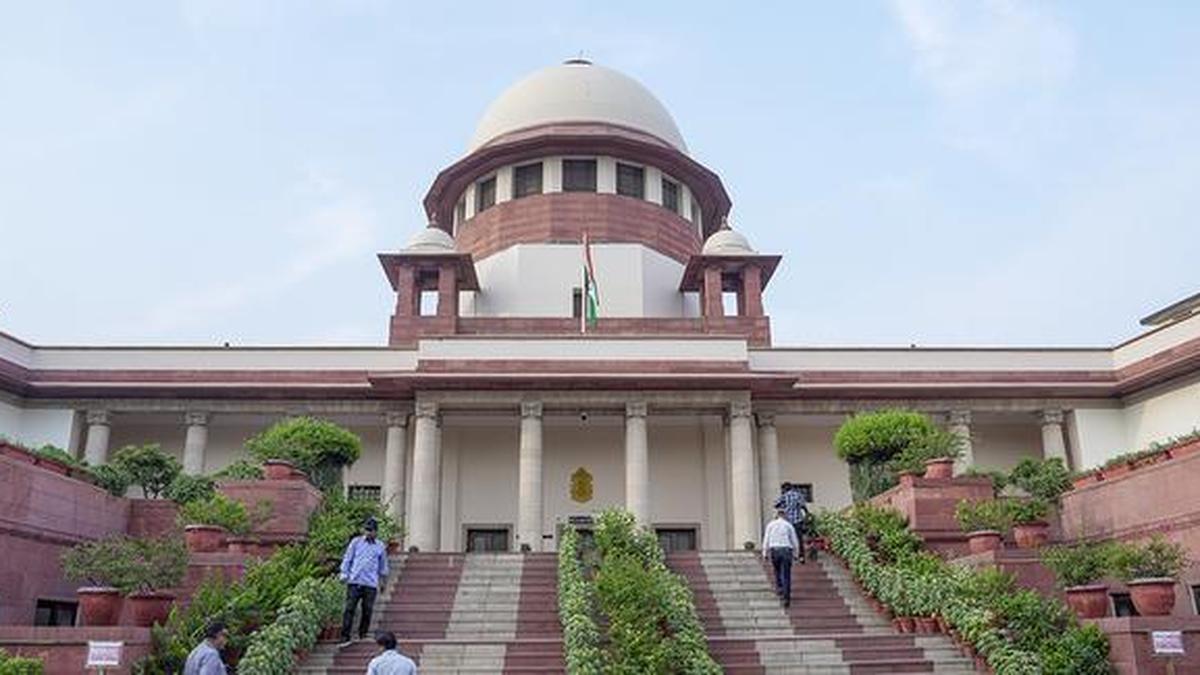
The Supreme Court of India is set to consider establishing a special bench to address the Union government's request for clarification regarding its March 11 ruling on the income test component of the OBC creamy layer exclusion criteria. Implementing the Supreme Court's decision retrospectively has been described as extremely difficult and will result in a cascading effect on settled services from 2012 to the present.
This impact could potentially affect all categories, including the Unreserved category. The Department of Personnel and Training (DoPT) has argued that the Supreme Court's Rohith Nathan judgment, if applied retrospectively, would lead to numerous challenges from individuals who were denied Non-Creamy Layer certificates or did not seek one during various recruitment, examination, and admission processes.
Written by urgent.news from The Hindu's reporting — not their text. Machine-written — may contain errors; check the original before relying on it.
This story
This is one outlet's version. Read the fullest account.
- Korea's Supreme Court seeks damages against pro-Yoon courthouse rioters koreatimes.co.kr
- Supreme Court has settled OSP’s prosecutorial mandate – Kissi Agyebeng myjoyonline.com
- Mail voting questions surge after emergency Supreme Court ruling thehill.com
- OBC creamy layer: Why Centre is seeking clarity for CSE 2025 from Supreme Court indianexpress.com