North American crayfish introduced to Britain now threaten native species
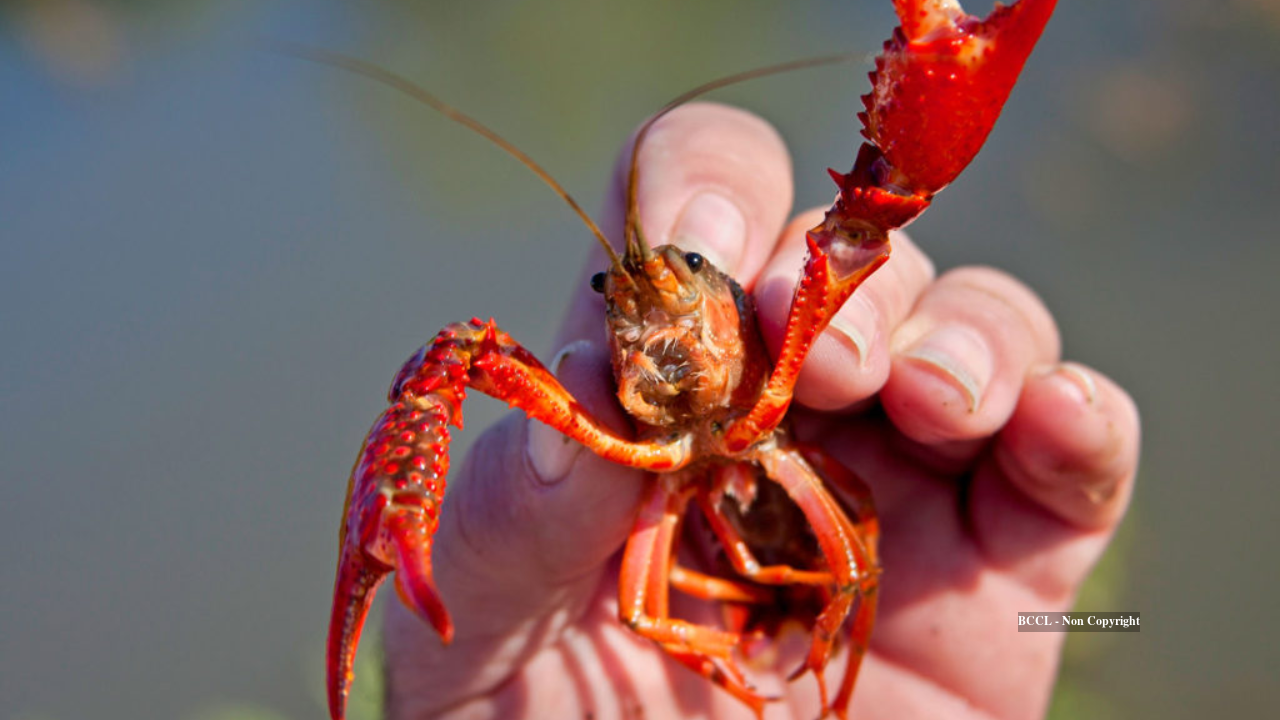
In the 1970s, British aquaculture ventures brought North American signal crayfish to farms in the hope of establishing a lucrative freshwater fishery. However, the ambitious plan backfired dramatically. The hardy invaders escaped into rivers, rapidly multiplied, and spread across England, Wales, and Scotland. Over time, they now dominate many waterways and carry crayfish plague, a usually lethal disease for the UK's sole native crayfish, the white-clawed species.
The UK government has documented the signal crayfish as a prime example of how non-native species can disrupt biodiversity, outcompete natives, and alter river ecosystems. This report is based on government policy documents and recent Environment Agency findings on native crayfish conservation.
Signal crayfish, larger and more aggressive than native white-clawed crayfish, escaped from farms in the 1970s and quickly adapted to new habitats. They breed in large numbers, tolerate various water conditions, and can navigate connected river systems with ease. As they spread, they outcompete native species for food and shelter, leading to widespread ecological disruption.
The most significant threat from signal crayfish is not just competition but disease. They carry crayfish plague, a waterborne pathogen that rarely affects them but is lethal to white-clawed crayfish, which lack natural immunity. When signal crayfish enter river systems with native populations, they can trigger mass die-offs. The disease spreads through water, equipment, clothing, and boats, making containment difficult once established.
This has pushed the white-clawed crayfish toward local extinctions in many areas, pushing it towards endangered status in the UK.
Signal crayfish impact goes beyond reducing native species; they also damage river ecosystems. Their burrowing weakens riverbanks, causing severe erosion. By consuming fish eggs and aquatic insects, they starve local wildlife and disrupt complex food webs. Once these aggressive generalists dominate, they create simplified ecosystems dominated by a single pest.
Recent events in the River Wansbeck in Northumberland highlight the vulnerability of native crayfish. In autumn 2024, around 100 white-clawed crayfish were found dead, showing unusual orange patches and ulcers. While not all died, older, larger crayfish were more affected. Investigations by the Environment Agency, the National Trust, and researchers found that younger crayfish could recover through molting, but mortality seemed concentrated in older individuals.
No further deaths were reported, and the Wansbeck remains a key refuge for the species, with no signal crayfish presence or evidence of crayfish plague.
The UK government recognizes the issue and has implemented policies to control non-native species. Regulations now require risk assessments for new species introductions and govern live fish and crayfish movement to reduce disease spread. Conservation efforts focus on creating "ark sites"—isolated water bodies where white-clawed crayfish can breed without exposure to signal crayfish or plague.
In 2024, healthy female crayfish were rescued, their eggs hatched in captivity, and the offspring released into ark sites to boost populations.
For river users, the advice is straightforward: Check, Clean, Dry. Remove mud, aquatic animals, or plant material from clothing and gear, clean everything thoroughly, and allow it to dry for at least 48 hours or disinfect it before using it elsewhere. Anyone spotting crayfish, alive or dead, is urged to report the sighting to the Environment Agency, as it's illegal to handle or remove crayfish without proper licenses.
This story serves as a cautionary tale about the unintended ecological consequences of short-term economic decisions. What started as a promising aquaculture venture in the 1970s has become a persistent threat to native biodiversity, riverbank stability, and the future of the white-clawed crayfish. Today, efforts focus on containment, conservation, and public awareness to protect remaining strongholds, expand ark sites, and educate users on preventing further spread.
Written by urgent.news from Times of India's reporting — not their text. Machine-written — may contain errors; check the original before relying on it.
This story
This is one outlet's version. Read the fullest account.