Nepal Floods Raise Fresh Concerns Over China's Tibet Dam Projects, Downstream Risks
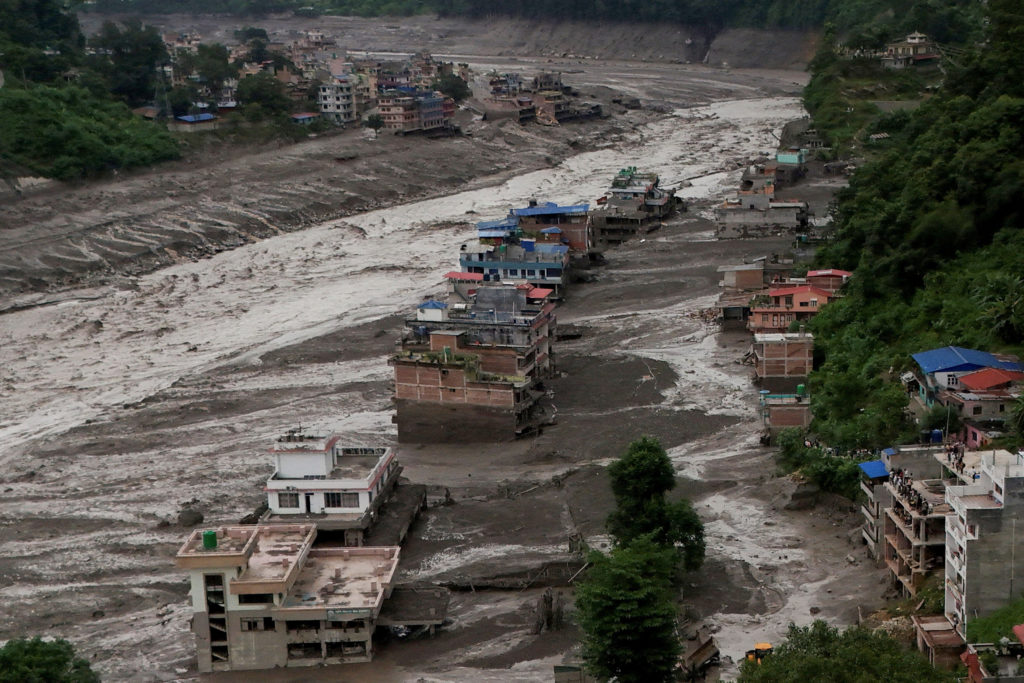
New Delhi, Aug 26: Widespread death and destruction were reported from Nepal on Wednesday as flash floods in the Bhote Koshi River, originating from Tibet, inundated many areas in districts north of capital Kathmandu. Reports suggest torrents of water from Tibet surging into Nepal, sweeping away bridges, damaging hydropower plants, and inundating villages. In India, the Kosi River, long known as…
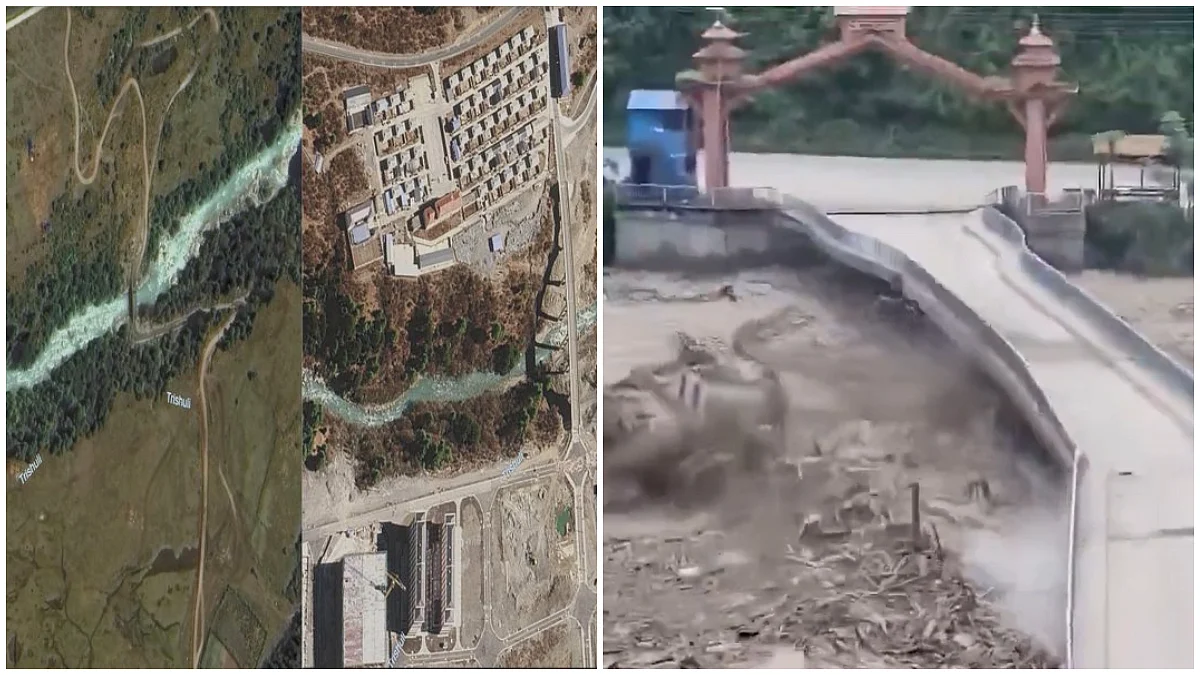
Kathmandu, Aug 26: Devastating floods swept through Nepal on Wednesday, leaving numerous areas inundated and causing numerous fatalities as the Bhote Koshi River, originating in Tibet, unleashed torrents of water into Nepal. The swollen Kosi River, notorious as the "Sorrow of Bihar" in India, is also threatening millions of lives, while the Brahmaputra River, known as the Yarlung Tsangpo in Tibet, has once again overflowed its banks, killing at least 50 and displacing over seven lakh people in Assam.
Concerns are growing about China's extensive dam-building projects in Tibet and downstream regions, which experts warn could lead to ecological fragility, geopolitical tensions, and heightened human vulnerability. China has already constructed several large dams in Tibet, including the Zangmu Dam and the Jiexu and Jiacha dams, as part of its ambitious hydropower initiative.
The most controversial of these is the Medog Dam, a proposed mega project located near the Great Bend of the Yarlung Tsangpo, which if built, would generate three times the power of the Three Gorges Dam, but at a projected cost of $148 billion. The project has raised significant concerns regarding its seismic safety and flood management capabilities.
Studies suggest that the project, which remains largely shrouded in secrecy, could have severe implications for downstream regions in India and Bangladesh, as well as the stability of the Himalayan region.
Written by urgent.news from Free Press Journal's reporting — not their text. Machine-written — may contain errors; check the original before relying on it.