Nchimbi vs Suluhu? Inside the political differences that preceded Tanzania’s VP’s exit
Tanzania’s Vice President Emmanuel Nchimbi will leave office on September 4, 2026, less than a year after taking the position, after saying he had become convinced that President Samia Suluhu Hassan wanted a different deputy. His unexpected resignation has put renewed focus on public remarks in which the two leaders appeared to take different positions […]
In Tanzania, Vice-President Emmanuel Nchimbi's resignation on September 4, 2026, offers Deputy President Kithure Kindiki important lessons about the precarious nature of the second-in-command position in East African politics. Nchimbi cited President Samia Suluhu Hassan's desire for change and a potential shift to another vice-president as the reason for his departure.
Kindiki, however, must take heed that occupying the deputy presidency does not guarantee political influence, longevity, or a spot on the next presidential ticket.
Kindiki has faced various political pressures during his tenure, particularly in relation to the 2027 presidential running-mate selection. While some members of the opposition Democratic Alliance (ODM) publicly pushed for a more prominent role for Kindiki, others within the party continued to advocate for a deputy presidency position during coalition negotiations.
This uncertainty has actually benefited Kindiki, as it has encouraged support from leaders in Mt Kenya and other factions within the government, who argue that the deputy presidency should not be relinquished through political bargaining.
The Tanzanian Vice-President's resignation also underscores the significance of building relationships beyond the State House. Kindiki's political survival cannot rely solely on President Ruto's calculations. The support of Mt Kenya leaders, who have rallied behind him, highlights the importance of regional political structures.
However, this strategy presents its own danger, as Kindiki has found himself in the difficult position of consolidating Mt Kenya support for Ruto while simultaneously defending his own political future.
Nchimbi's resignation also emphasizes the risks of political friction within the governing establishment. Reports from Tanzania revealed tensions surrounding Nchimbi, including his appearance before the CCM ethics committee and controversial comments on constitutional reform. Kindiki must navigate the distinction between political competition and political confrontation, as reports indicated that tensions had emerged around Nchimbi. This distinction is crucial for Kindiki to maintain his position and protect his political future.
The most significant lesson from Nchimbi's resignation is the necessity of balancing political loyalty with political awareness. Kindiki has consistently projected confidence, claiming he is not shaken by attempts to dislodge him. However, Nchimbi's resignation demonstrates the rapid nature of political fortunes. Kindiki's task is not merely to weather political attacks but to remain indispensable to Ruto, useful to Mt Kenya, acceptable to coalition partners, and sufficiently independent to safeguard his own political future.
Ultimately, this delicate balance may determine whether Kindiki continues as Kenya's Deputy President beyond 2027.
Written by urgent.news from People Daily Kenya's reporting — not their text. Machine-written — may contain errors; check the original before relying on it.
This story
This is one outlet's version. Read the fullest account.
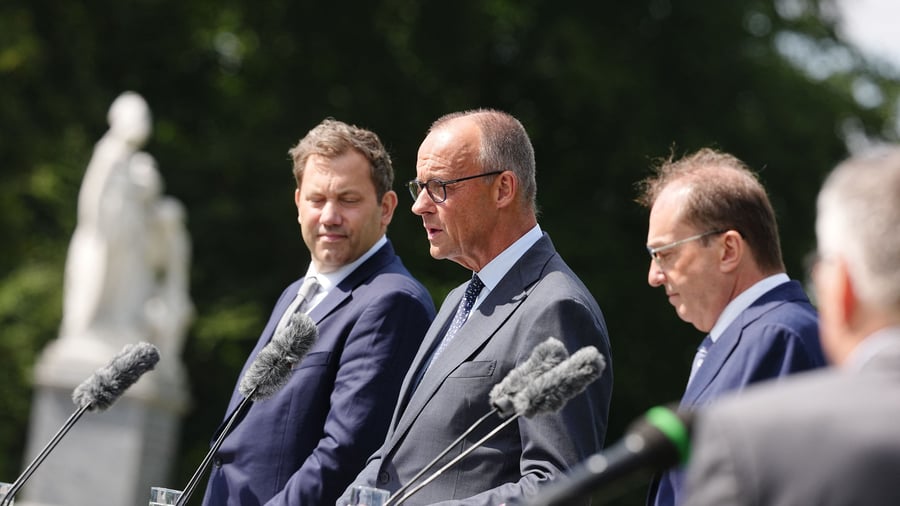
- Lessons Kindiki can learn from Tanzania Vice President Nchimbi’s resignation peopledaily.digital