Myotis Bat Genomes Reveal How They Fight Viruses, Cancer, and Cellular Damage
Scientists studying eight Myotis bat species uncovered genetic adaptations that may explain their exceptional longevity, cancer resistance, viral defense, and ability to repair or eliminate damaged cells. The post Myotis Bat Genomes Reveal How They Fight Viruses, Cancer, and Cellular Damage appeared first on GEN - Genetic Engineering and Biotechnology News .
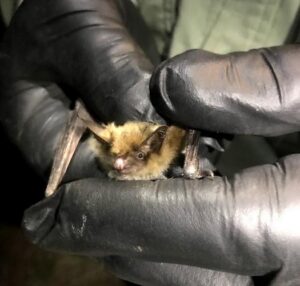
Bats, a diverse group of mammals unique for their ability to fly, long lifespans, and infrequent occurrence of cancer, have been the subject of a new study published in Nature. The research, titled "Insights into longevity and virus-driven adaptation from Myotis bat genomes," reveals how these factors are interconnected.
A team of researchers generated cell lines and nearly complete genome assemblies for eight closely related Myotis bat species, collected from bats in the American West. They extracted tissue from the wings, using a non-invasive method similar to an ear piercing. This tissue was then used to create cell lines and generate genomes for the eight species.
The study identified patterns of adaptation contributing to longevity, cancer resistance, and viral interactions. Elise Lauterbur, an assistant professor of evolutionary biology at the University of Vermont, notes that many of the genes that have adapted to viruses in bats are also involved in longevity and cancer resistance.
The researchers discovered that bats exhibit a unique gene copy mechanism for DNA repair. They found that bats have distinct modes of adaptation to both DNA and RNA viruses compared to other mammals. This is characterized by a genome-wide over-representation of positive selection for DNA-virus-interacting proteins and elevated rates of copy-number variation for RNA-virus-interacting proteins.
Further analysis revealed a key immune factor, EIF2AK2 (also known as PKR), in every mammal. The Myotis bats' antiviral response is different due to the recurrent evolution of longevity, which is associated with positive selection in cancer pathways. This unique bat species was found to have one, two, or even three copies of PKR, suggesting that additional copies have a protective effect promoting longevity.
Experiments on cell lines showed that little brown bats, the longest living species, responded differently to high doses of chemotherapeutic drugs, indicating that this adaptation could be critical for curbing cancer spread. While it may be too early to apply these unique bat immune adaptations to solve human pathology, the study suggests that exploring underappreciated adaptations like changes in gene copy number could provide valuable insights into evolution and environmental response.
Written by urgent.news from GEN Biotechnology's reporting — not their text. Machine-written — may contain errors; check the original before relying on it.