Muthanga eviction was a bid to crush the Adivasi movement: Geethanandan
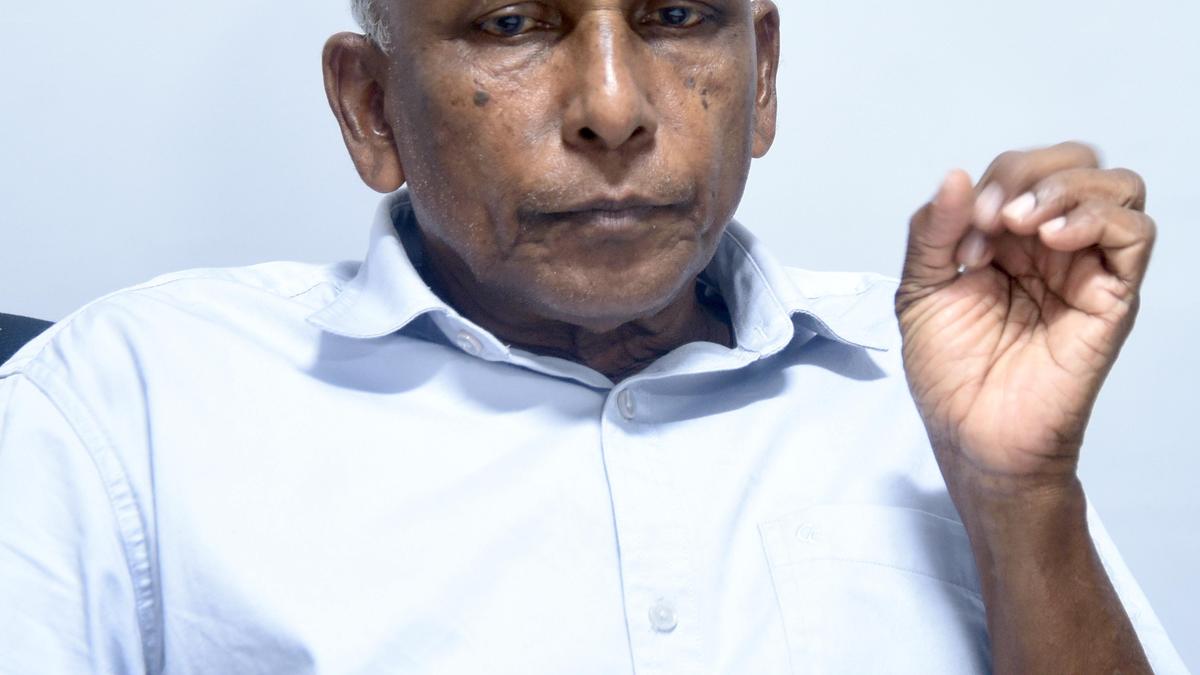
Muthanga land agitation in 2003 was a pivotal moment in Kerala's Adivasi rights movement. The conflict culminated in a violent clash between security forces and protesters inside the Muthanga Wildlife Sanctuary in Wayanad district, resulting in the deaths of police constable K.V. Vinod and Adivasi activist Yogi (Jogi). Subsequently, a court in Kalpetta acquitted all those facing trial for Vinod's murder but sentenced M. Geethanandan, a social activist and then State coordinator of the Adivasi Gothra Mahasabha, along with three others to five years of rigorous imprisonment for attempting to murder another police officer.
The case's legal and political implications persist even two decades later. Geethanandan, who secured bail after his sentence was suspended by the Kerala High Court, spoke to The Hindu about the Muthanga struggle, its lengthy legal battle, Adivasi land rights, and the challenges confronting tribal communities. The court acknowledged the Adivasis' struggle for freedom but failed to address the broader historical, social, and political context of the agitation.
The 2003 land stir was the culmination of a two-decade-long Adivasi fight, with earlier negotiations with the United Democratic Front (UDF) government leading to a rehabilitation package in 2001. However, the package's implementation was inadequate, leading the Adivasis to launch the Muthanga land occupation to protest the lack of action.
Despite the broader struggle for land not being adequately addressed in the trial, this broader context and the long-standing land rights issue remained a significant aspect of the Adivasi movement. Geethanandan believes the system failed to address the police action during the Muthanga eviction, describing the suppression of the agitation as a horrific persecution of an unarmed community.
The State machinery, particularly the police, was mobilized to crush the movement, while misleading police accounts and media reports helped isolate the Adivasis and obscure the violence. The majority of Adivasis involved in the agitation belonged to marginalized indigenous communities, and the police operation involved indiscriminate violence, including against women and children.
The National Human Rights Commission (NHRC) ordered an independent inquiry, but the State transferred six criminal cases to the CBI, making an independent inquiry impossible. The February 17, 2003 forest fire, which Geethanandan believes contributed to the escalation, was also never properly investigated. The agitation's political factors, including the Global Investors Meet and the Mathikettan Shola controversy, are believed to have influenced the decision to crush the movement, with land at Muthanga reportedly earmarked for a project discussed at the investment meet.
Geethanandan feels that the State government is now sidelining the demand for a detailed probe into Yogi's death and alleged human rights violations during the Muthanga agitation, stating that the alleged violations are unlikely to be investigated simply because they demand it.
Written by urgent.news from The Hindu's reporting — not their text. Machine-written — may contain errors; check the original before relying on it.