Manhattan-Sized Iceberg Breaks Off Greenland Glacier, and Two More Could Follow
Learn how satellite radar captured the moment a Manhattan-sized ice island broke away from Greenland’s Petermann Glacier and why scientists are keeping a close watch.
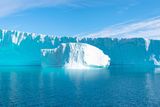
In northwest Greenland, a massive iceberg measuring roughly 30 square miles, comparable to Manhattan, detached from the Petermann Glacier on August 4, 2026. The event, recorded by Europe's Copernicus Sentinel-1 satellite mission, is the glacier's largest floating ice loss since 2012 and the biggest in the Arctic since 2020. Adam Garbo, a University of Ottawa Ph.D. student monitoring the glacier, said the break was anticipated for years, highlighting the rapid changes in these systems.
Sentinel-1, a space-based radar observatory, captured the beginning of the calving process on August 3, when a large crack appeared, leading to the separation of the iceberg a day later. The new ice island, up to 500 feet thick, is not only the size of Manhattan but also poses potential hazards to ships and offshore operations as it drifts across the sea.
Researchers predict two more large sections, around 37 and 33 square miles, could break away as existing cracks continue to expand.
Written by urgent.news from Discover Magazine's reporting — not their text. Machine-written — may contain errors; check the original before relying on it.