Lebensmittel: Brüssel beanstandet deutsche Pläne für Tierhaltungslogo
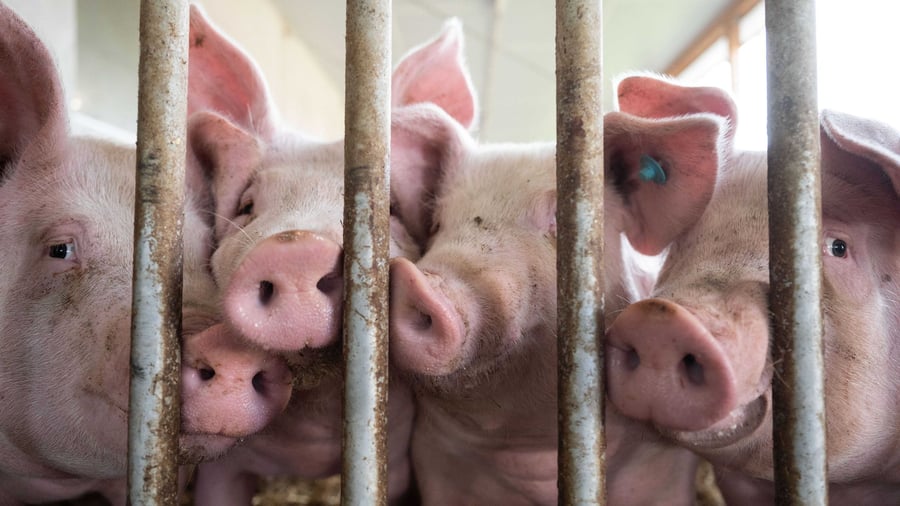
Beim Schnitzel sollen Verbraucher bald auch an einem staatlichen Siegel sehen können, wie die Tiere einst im Stall lebten. Geplante Nachbesserungen am Gesetz werden nun aber zunächst ausgebremst.
The EU Commission has objected to German plans to include foreign meat in the mandatory animal husbandry logo for meat on the German market, according to a Brussels statement. The Commission claims that the current plan does not comply with EU rules, and a legal procedure could be initiated if Germany proceeds with the implementation.
The Federal Ministry of Agriculture stated that they are currently reviewing the Commission's opinion. Both the Union and SPD parties intend to make several amendments to the 2023 law on the state labeling, delaying the start with pork to early 2027. The logo will then be present not only in supermarkets but also in restaurants, and it will include foreign meat in the labeling obligation that was previously only for domestic products.
The Commission sees this as a restriction on free trade, as the law does not provide for the recognition of foreign labeling systems. Foreign producers would then have to prove compliance with German requirements or face labeling with the lowest animal husbandry form "at least stall". This additional effort could also make it difficult for consumers to recognize the actual animal husbandry conditions from the logo, as well as missing important information such as Denmark, which is one of the largest exporters of pork to Germany and has made significant contributions to animal welfare, such as keeping more sows with intact tails or increasing the number of uncastrated sows.
The German animal husbandry stages cannot be detected at this level. The German government can respond that the EU Commission also criticizes the additional administrative burden for organic products. To sell foreign-produced meat as organically produced in Germany, it would not be enough that it was already recognized as organic or ecological in another EU state.
Additionally, the German information, registration, and traceability system must be complied with. The Commission sees this as another violation of EU law. Germany can now respond to the concerns. The planned amendments are also not expected to be decided before mid-November. The planned labeling system will have five categories ranging from "stall" with statutory minimum requirements to "organic".
Voluntary labeling by supermarket chains has been in place since 2019, covering meat from pigs, cows, and poultry.
Written by urgent.news from Handelsblatt's reporting — not their text. Machine-written — may contain errors; check the original before relying on it.