La intervención de Bessent en el mercado de bonos enfrenta al Tesoro con la Fed
El aumento de las compras de deuda amenaza con socavar los esfuerzos del presidente del banco central, Kevin Warsh, para controlar la inflación Leer
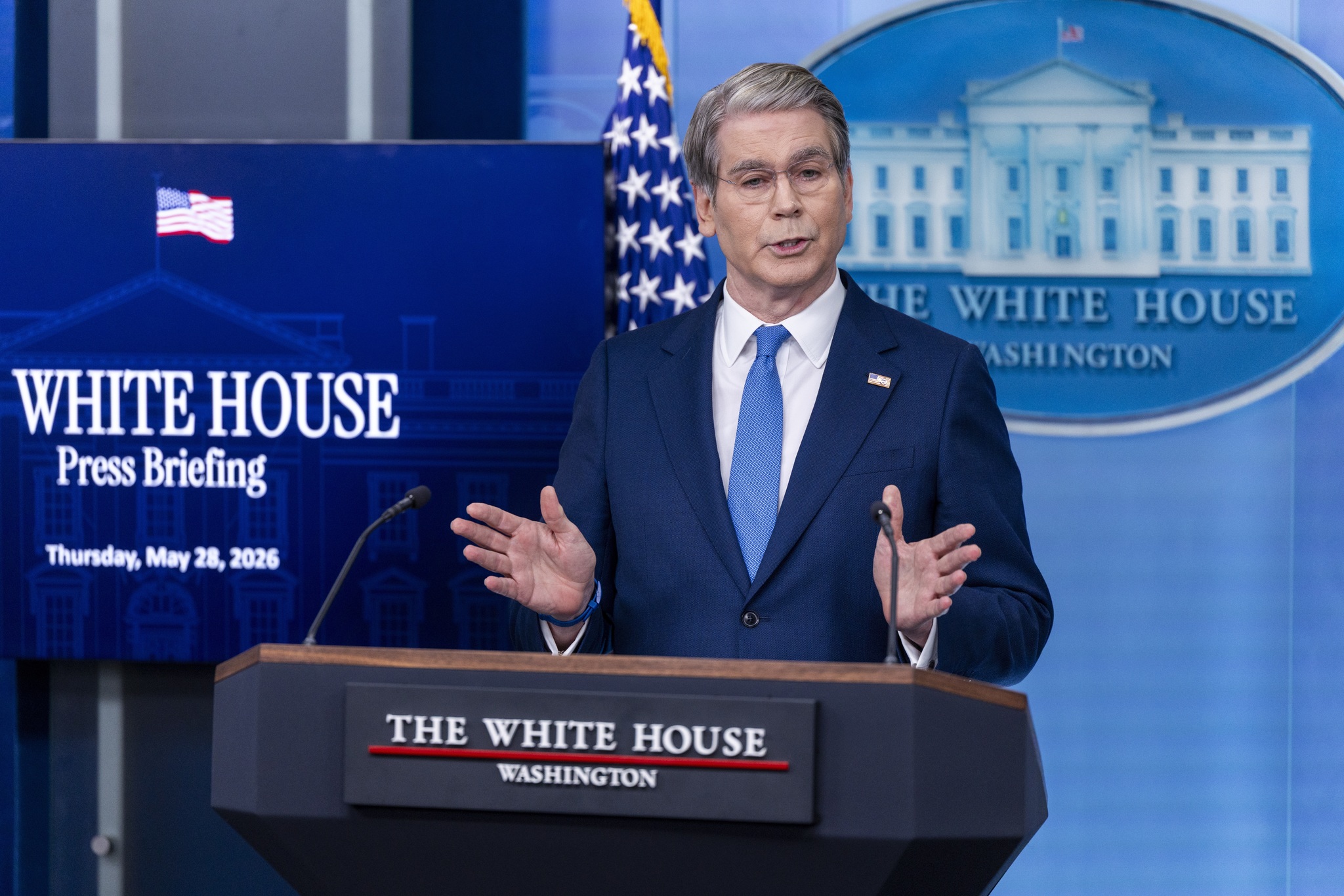
The U.S. Treasury's intervention in the bond market is clashing with Federal Reserve Chairman Kevin Warsh's efforts to curb inflation, according to senior investors ahead of Warsh's Jackson Hole speech. Scott Bessent, the U.S. Treasury Secretary, recently doubled the government's long-term public debt purchases, sparking criticism from Wall Street.
Investors fear this move could undermine the Fed's credibility and its ability to control inflation this year. Bessent's effort to stabilize the $32 trillion bond market, following record high long-term borrowing costs, heightens pressure on Warsh during his Federal Reserve's Kansas City conference in Jackson Hole on Friday. Greg Peters, co-head of investments at PGIM Credit, believes the Treasury's strategy is counterproductive.
Lisa Shalett, director of investments at Morgan Stanley Wealth Management, argues that intervening in the bond market due to a lack of understanding for rising yields is not a convincing argument. The reaction to Bessent's surprising move has increased pressure on the Fed chairman to address investors' concerns about financial and economic risks stemming from the Trump administration's warfare in Iran, which has driven consumer and business prices higher.
Warsh travels to Jackson Hole under market and some Federal Reserve policy committee pressure to explain what it would take to raise interest rates and bring inflation closer to the Federal Reserve's 2% target. The 3.7% U.S. inflation data shows the problem. The Treasury's plan to increase bond purchases aims to lower long-term borrowing costs, which have skyrocketed in recent months due to inflation concerns, increasing public debt and massive bond issuance to fund the AI boom.
Warsh and Bessent, both protected by hedge fund billionaire Stanley Druckenmiller, often clash, suggesting a cordial relationship. However, investors and economists note that the Federal Reserve and Treasury's priorities and strategies seem increasingly unaligned. The Treasury's intervention has modestly reduced bond yields, but if successful, it could lower mortgage and other borrowing costs, boosting the economy.
This comes as several Federal Reserve officials have stated that the central bank should do the opposite and raise rates to curb inflation. Three FOMC members backed a quarter-point rate hike during the July meeting. Since then, other Fed presidents have said they would also support a quarter-point increase. Krishna Guha, vice president at Evercore ISI, noted that the Treasury's move could have worried investors and FOMC members.
Bessent's intervention was followed by statements asserting that the U.S. government's borrowing costs did not reflect underlying fundamentals. Warsh has insisted that investors should rely more on economic data and market prices than on waiting for central bankers to offer predictions about U.S. interest rate trends. The Fed president suggested last month that higher bond yields reflected economic events pointing to the need for higher borrowing costs, adding that the central bank under his mandate was trying not to interfere with market signals.
Warsh is expected to use his speech in Jackson Hole to explain the rationale behind his sober communication style and convince markets that he can lead the Fed's efforts to bring inflation to the 2% target after more than five years. Scott Barnard, fixed income portfolio manager at Westwood, believes Warsh's decision to offer fewer explanations, combined with Bessent's intervention to control long-term yields, has given the impression that the Fed and Treasury are rowing in opposite directions.
The administration's desire to suppress financing costs before the November midterm elections has also raised fears that the central bank may be pressured to intervene if Bessent's efforts to control yields continue to fail.
Written by urgent.news from Expansion ES's reporting — not their text. Machine-written — may contain errors; check the original before relying on it.