Kommentar: So versickern die Milliarden aus der Zuckersteuer im Haushalt
Die Pläne aus dem Finanzministerium, auch Saft, Milch und Süßstoffe zu besteuern, verkehren einen sinnvollen Expertenvorschlag ins Gegenteil. Meint denn niemand die Gesundheitsreform ernst?
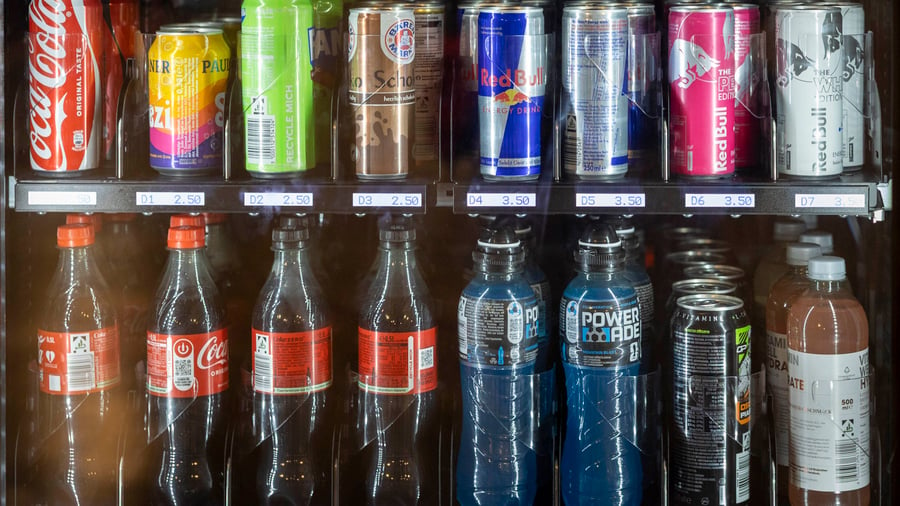
Experts from Germany's health insurance reform commission anticipated around 450 million euros in annual revenue from a proposed tax on sweetened beverages, similar to the British model. However, the Finance Ministry intends to broaden the tax to include drinks based on fruit juice, animal and plant milk, as well as alcohol-free mixed beers, with higher rates than initially planned.
Zero-sugar drinks would also be subject to the sugar tax. While the SPD's Lars Klingbeil's office predicts 450 million euros, the CSU-led Agriculture Ministry contends that the calculation falls short and proposes instead earnings in the billion-dollar range, leading to their opposition of the tax plans. Moreover, the Finance Ministry's ideas do not explicitly allocate these funds for health promotion.
Klingbeil has unrestricted authority to spend the revenues on any budget item. In the summer, the federal government stated that the money was explicitly part of the health insurance reform, which continues to face a significant budget shortfall.
Written by urgent.news from Handelsblatt's reporting — not their text. Machine-written — may contain errors; check the original before relying on it.