‘Jhooth ki goonj’ site ‘fact-checks’ Rahul’s student meet claims
The digital counterpunch against Rahul’s campaign obviously complements BJP’s efforts, but the party has denied any association with the website. The website itself makes no direct mention of the people behind it, but as it trended on social media, some attributed its creation to “nationalist researchers” and Gen Z-ers, the very generation Rahul is targeting in his hops across cities.
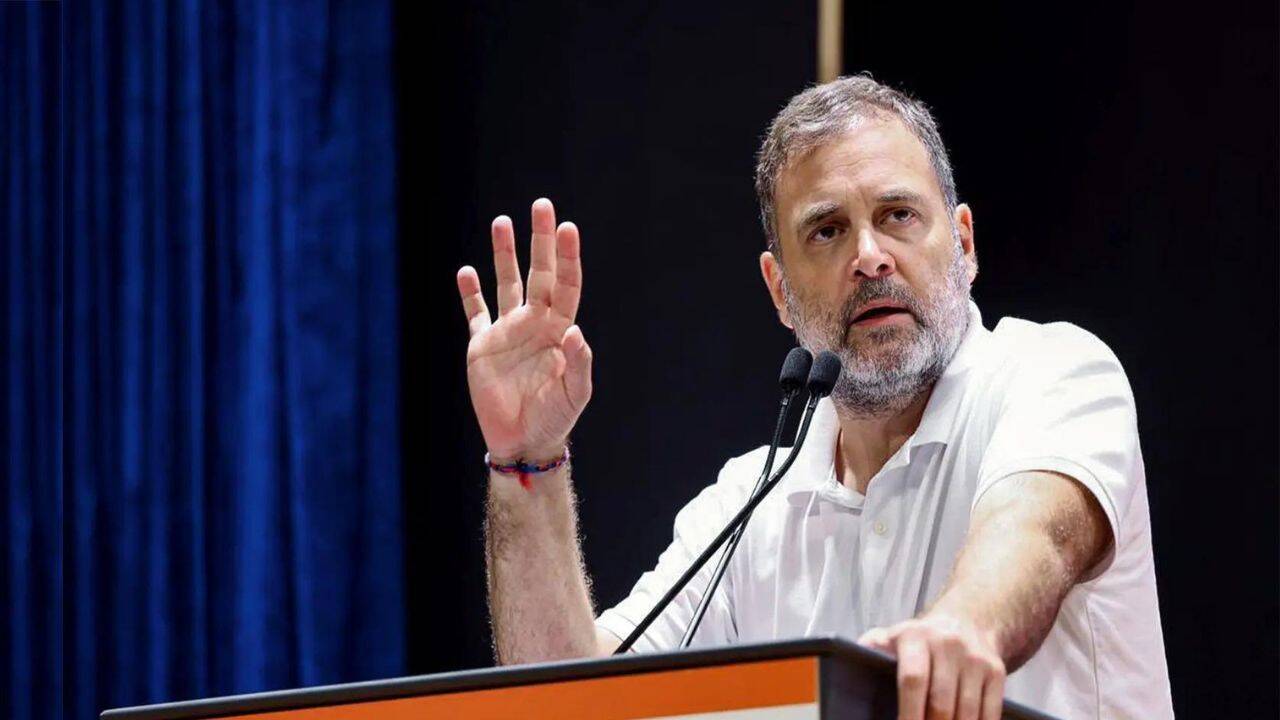
In a bid to counter Rahul Gandhi's claims during his 'Chhatron Ki Goonj' initiative, a website titled 'Jhooth ki Goonj' has emerged, aiming to fact-check his statements at each of the four events held so far. This digital countermeasure aligns with the Bharatiya Janata Party's (BJP) strategies, yet the party firmly denies any connection to the site.
Despite lacking explicit information about its creators, the website has gained traction on social media, with some attributing its formation to "nationalist researchers" and Gen Z individuals, mirroring the demographic Rahul targets in his nationwide travels.The website boldly presents itself with the assertion, "Here are all the lies Rahul Gandhi told during his so-called Chhatron Ki Goonj," signaling its stance against him in the BJP-versus-Congress political discourse.
According to the website, Rahul made 40 claims during these four engagements, with 29 of them being false and 11 being misleading. Among the debunked claims, one states that out of 1,000 job-seeking youths, approximately 36 would secure permanent positions, while the remaining 300 would remain unemployed and 700 would resort to gig work.
The website counters this using PLFS unit-level data, highlighting that only 26 out of 100 graduates aged 15-29 in 2025 hold salaried jobs. Additionally, the website challenges Rahul's assertion that 29% of women experienced physical violence, attributing this figure to outdated NFHS data. According to the website, NFHS data indicates a significant decline in spousal physical and/or sexual violence since the Modi government took office, dropping from 37.2% in (2005-06) to 22.3% in (2023-24).
The website's impact remains uncertain; however, its emergence has piqued the interest of pro-BJP social media users, who express enthusiasm over the site's comprehensive scrutiny of Rahul's claims.
Written by urgent.news from Times of India's reporting — not their text. Machine-written — may contain errors; check the original before relying on it.