Japan’s top tomato production hub damaged following Kumamoto earthquake
The earthquake struck just as farmers were preparing for the upcoming tomato growing season.
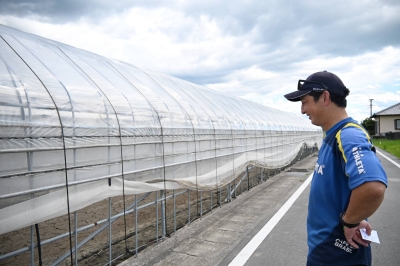
Yatsushiro, a city in Kumamoto Prefecture, Japan, has suffered damage to its tomato production facilities following the July 28 earthquake. The earthquake, rated upper 6 on the Japanese seismic intensity scale, caused significant disruption to the city's top tomato production center. Irrigation systems and greenhouse equipment were damaged, leading to a halt in water supplies for some areas.
Farmers, who typically plant seedlings in mid-August and begin shipping tomatoes around October, were only able to plant about half of the planned seedlings by late August. Some irrigation channels collapsed, while others had elevated salt concentrations in the groundwater. This has made it difficult to secure a stable supply of agricultural water.
At a greenhouse operated by Kenshiro Okada, water flowed in from a damaged channel and seeped through cracks, leaving puddles in the greenhouse. Okada may have to reduce planting due to the damaged soil. At another greenhouse run by Masahiro Ikeda, all the pipes used to deliver water and fertilizer were damaged, and soil liquefaction deposited sand and other material on the surface, making the harvest trolley unusable.
Ikeda's well water became cloudy and often contained shellfish, possibly due to its proximity to the sea. Despite the challenges, both farmers remain committed to getting shipments out to meet the demand for tomatoes.
Written by urgent.news from Japan Times's reporting — not their text. Machine-written — may contain errors; check the original before relying on it.
This story
This is one outlet's version. Read the fullest account.