Iran and Oman reach Hormuz deal, but reopening hinges on US compliance
Iran and Oman have reached agreement on their share of the Strait of Hormuz and its revenues, but the vital waterway will not be reopened if the US does not accept their conditions, Iran’s Revolutionary Guards said on Wednesday. Iran and Oman have held on-and-off talks for weeks about controlling traffic through the strait, which handled one-fifth of global oil and liquefied natural gas shipments…
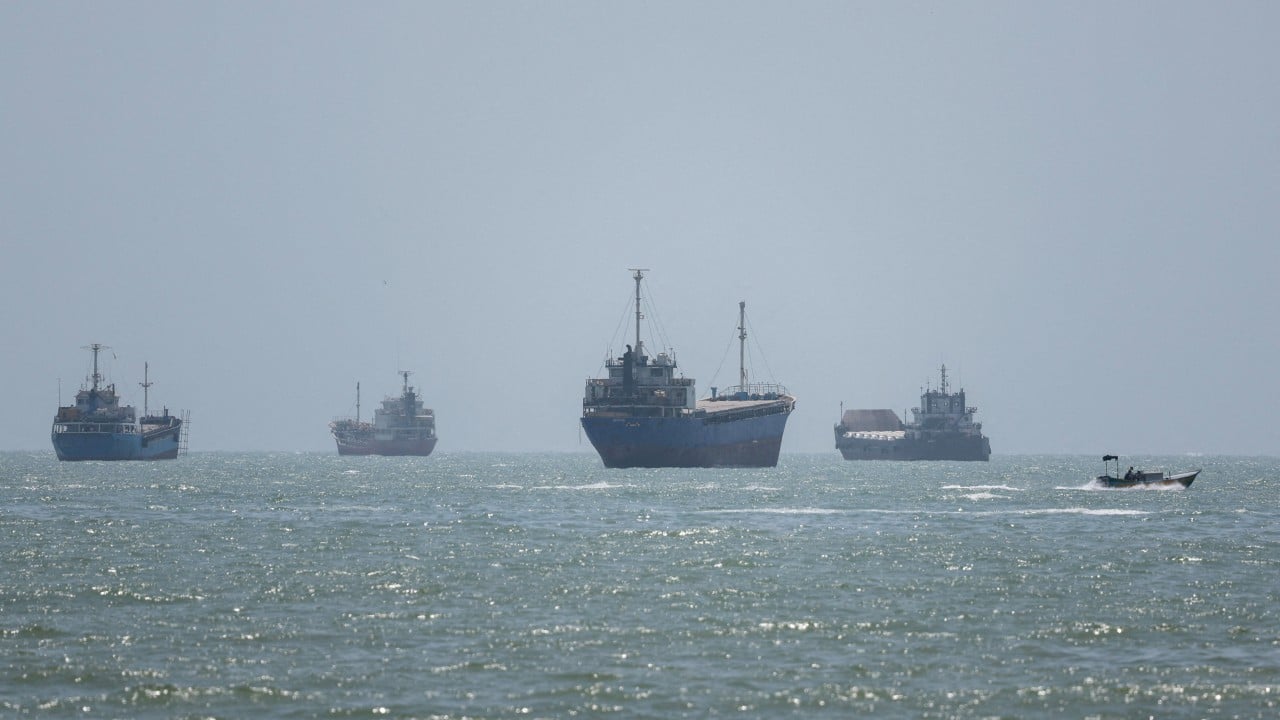
Iran and Oman have settled on their respective shares of the Strait of Hormuz and its revenues, according to Iran's Revolutionary Guards. However, the crucial waterway will remain closed if the US does not accede to their conditions, the Guards asserted on Wednesday. The two nations have been in intermittent discussions for weeks regarding the management of the strait, which once facilitated one-fifth of global oil and liquefied natural gas flows before the February conflict erupted.
Since then, shipping has largely ceased, causing global energy prices to surge as Tehran and Washington attempted to exert control over the channel by imposing separate blockades. The Guards' spokesman, Hossein Mohebbi, announced in state media that both sides had agreed on the distribution of water and revenue shares in the negotiations, which lasted about a month.
The Guards attributed the delay in reaching the deal to US obstruction and warned that the strait would not reopen without US compliance. Despite the recent easing of hostilities between the US and Iran, diplomatic efforts to achieve a peace agreement have stalled, and ongoing attacks on ships have kept the Strait of Hormuz perilous for passage.
Iran recently published a blacklist of 45 ships in an attempt to halt ship-to-ship transfers used by Gulf energy producers to circumvent the Iranian blockade. Some firms plan to stop using vessels on the blacklist. The US has threatened to penalize countries that continue to engage in trade with Iran, though it has not imposed sanctions immediately.
The threats were accompanied by a lack of Chinese financial institutions supposedly aiding oil exports from Iran, which the US blockade has cut off. Iran denounced the US move to isolate its economy as "gross lawlessness," maintaining confidence that other nations would not join the pressure campaign. Oil prices dipped for a third consecutive day, falling over US$2 per barrel to a two-week low following indications of renewed attempts to mediate an end to the war that began on February 28 with US and Israeli strikes on Iran.
Written by urgent.news from South China Morning Post's reporting — not their text. Machine-written — may contain errors; check the original before relying on it.
This story
This is one outlet's version. Read the fullest account.
- Iran faces strait of Hormuz paradox as strategic value of chokehold erodes theguardian.com
- Iran warns of military ship ban in Hormuz under potential deal with Oman and other Middle East news apnews.com
- Iran and Oman reach accord on Strait of Hormuz, Revolutionary Guards say brecorder.com
- Iran and Oman reach agreements on share of Hormuz and revenues, Revolutionary Guards say al-monitor.com
- Iran, Oman planning temporary corridor through Strait of Hormuz thehill.com
- Iran and Oman Push for Interim Strait of Hormuz Reopening ventureburn.com
- Iran says US must fully accept its terms before Strait of Hormuz can reopen under new agreement jpost.com
- Iran and Oman near a temporary deal on the Strait of Hormuz cbsnews.com