Internationaler Währungsfonds: IWF – Weltwirtschaft trotzt dem Energie-Schock
Die globale Konjunktur zeigt sich nach Einschätzung der IWF-Chefin widerstandsfähiger als erwartet. Sorgen bereitet ihr allerdings die Haushaltslage einiger Länder – neue Prognosen legte sie nicht vor.
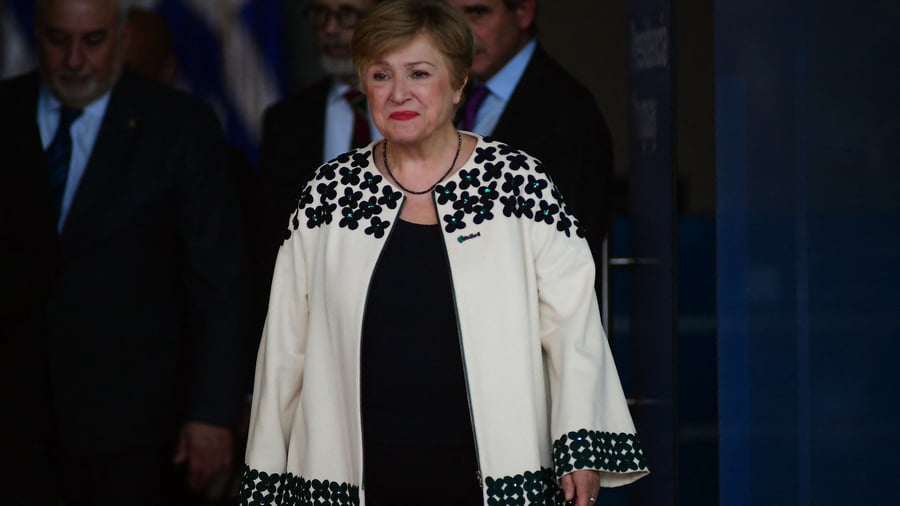
The International Monetary Fund (IMF) has assessed that the global economy has managed the energy shock triggered by the Iran war better than initially feared, according to Kristalina Georgieva, the IMF's chief. However, the IMF expressed concerns about deteriorating household balance sheets in certain countries. Georgieva warned against complacency, stating that the energy shock is not over and oil prices are currently ranging between $80 and $90 per barrel, having peaked at over $118 in spring.
A further price increase could further fuel inflation and force central banks to keep interest rates high or raise them, thereby increasing debt servicing costs and slowing economic growth. Georgieva urged all nations to submit credible plans for consolidating their budgets. While she did not name specific countries, she pointed to rising yields on 30-year US Treasury bonds, which hit their highest level in 19 years last week.
Georgieva also emphasized the need to reduce excessive global imbalances that lead to trade tensions. The IMF has long advocated for China to shift its growth model towards domestic demand instead of flooding world markets with cheap exports. The IMF chief did not present new economic forecasts, but in July, the fund cut its prediction for global growth in 2026 to 3% and warned of further risks due to the war in the Middle East.
The next update of the forecasts is expected in mid-October at the annual IWF and World Bank meeting in Bangkok.
Written by urgent.news from Handelsblatt's reporting — not their text. Machine-written — may contain errors; check the original before relying on it.