Indonesia's shrinking digital freedom: From rubber articles to four-hour censors...
Despite years of constitutional reform and judicial intervention, the state's reflexive tendency to criminalize criticism of those in power remains alive and well.
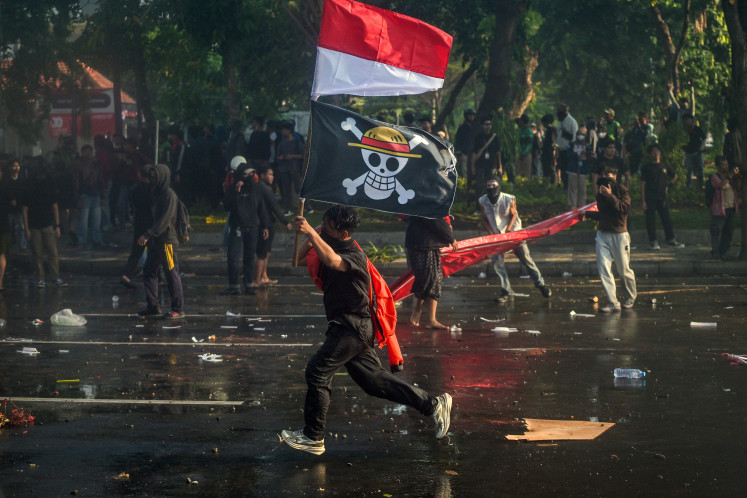
Indonesia's digital freedom is dwindling, with the state's tendency to criminalize criticism persisting despite constitutional reforms and judicial action. When West Java Police arrested two social media users for mocking President Prabowo Subianto's claim about Iran possessing nuclear weapons, it served as a stark warning. This arrest, fueled by allegations of provocation and incitement under the Electronic Information and Transactions (ITE) Law and the Criminal Code, highlights the judiciary's struggle to narrow the scope of speech-related offenses.
Despite the Constitutional Court's 2024 ruling No. 115, which sought to define "kerusuhan" (riot or unrest) narrowly, indicating it applies only to physical disturbances, law enforcement and regulators seem to be devising new methods to suppress criticism and stifle dissent. The arrest of social media users for reposting and commenting on Prabowo's statement about Iran's nuclear capabilities underscores the conflict between the court's ruling and law enforcement's actions.
The line between political debate and criminal liability appears to be fading, potentially eroding the foundations of democratic discourse.
Written by urgent.news from The Jakarta Post's reporting — not their text. Machine-written — may contain errors; check the original before relying on it.