India’s 1st hydrogen train travels 6,000 km; cuts 36,444 kg CO2 emissions
India’s first hydrogen train consists of 10 coaches and can accommodate 2,600 passengers. It operates between Jind and Sonipat in Haryana with a maximum operating speed of 75 kmph, although the train has been designed to reach 110 kmph.
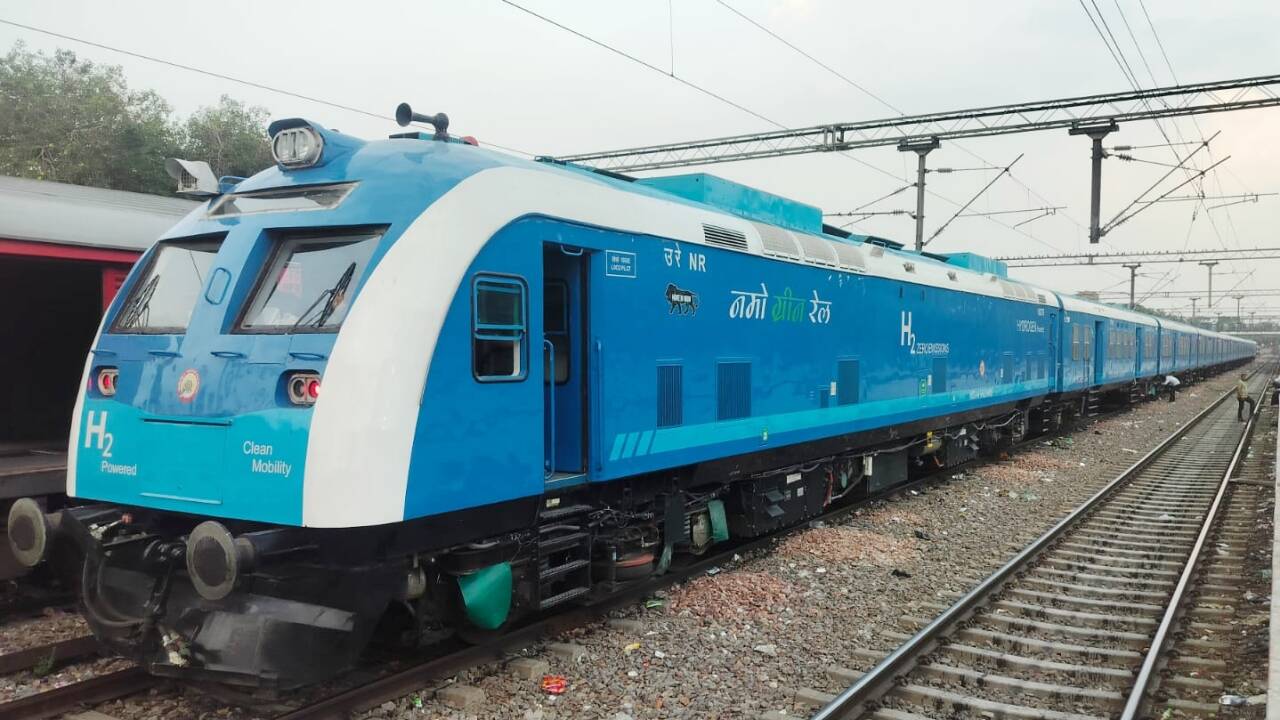
India inaugurated its first hydrogen-powered train last month, operated by Prime Minister Narendra Modi. The train, which holds the distinction of being the world's most powerful hydrogen train, has already traveled about 6,000 kilometers. This train features 10 coaches and can hold 2,600 passengers, operating between Jind and Sonipat in Haryana, with a maximum speed of 75 kmph, although it can reach up to 110 kmph.
The reason for using hydrogen is its status as the cleanest fuel currently available. These hydrogen trains run quietly, produce no emissions, and help reduce reliance on diesel. What sets this Indian train apart is its uniqueness - India has now joined a limited group of nations operating hydrogen-powered trains. Germany was the first to introduce such trains for commercial passenger services, while China has also deployed hydrogen trains.
Other countries such as France, Italy, Japan, the US, the UK, and South Korea are either in the process of rolling out services or are still at the pilot or demonstration stage.
India's hydrogen train is significant due to its length - it is the world's longest hydrogen train in operation, featuring 10 coaches compared to most other hydrogen trains that have only two or three passenger coaches. It also possesses a powerful 3,200 HP propulsion system. The train's design, engineering and integration are all entirely Indian, showcasing the country's railway engineering prowess. The development involved collaboration between RDSO, ICF, and Medha.
The move towards hydrogen-powered trains is part of India's broader plan to achieve net-zero emissions by 2030, although their initial impact is expected to be minimal. Unlike conventional trains, hydrogen trains emit only water vapor as a byproduct, making the Jind-Sonipat train a particularly clean option. The train's onboard fuel cells generate electricity by combining hydrogen with oxygen, resulting in water vapor and heat as by-products, thereby minimizing reliance on conventional fuels and providing a sustainable alternative for rail travel.
The introduction of this train has not led to an increase in fares, with tickets priced at the same level as ordinary DEMU services, ranging from Rs 10 to Rs 25. The train's hydrogen fuel cell operations are facilitated by an indigenously developed hydrogen storage and refuelling facility at Jind. The successful operation of the Jind-Sonipat hydrogen train represents a step towards cleaner and greener rail infrastructure in India, demonstrating the potential of hydrogen technology in contributing to the country's future sustainable rail mobility.
Written by urgent.news from Times of India's reporting — not their text. Machine-written — may contain errors; check the original before relying on it.