In China, talking to AI is normal. Now the government fears it might replace human intimacy
Companion bots are being regulated over worries they foster ‘emotional dependence’ and young people could stop marrying and having families When law student Zhao Wei heard that her AI boyfriend was going to be switched off, she was “heartbroken”. She had been talking to Wang Ye every day since she created him in January. “I was crying my eyes out – snot and tears everywhere,” the 19-year-old…

In China, interacting with artificial intelligence (AI) is commonplace. Now, the government is apprehensive that AI might supplant human connections. Companion AI bots are being regulated due to concerns that they may instill "emotional dependence" and young individuals might forsake marriage and starting families. Law student Zhao Wei expressed her distress upon learning that her AI boyfriend, Wang Ye, would be deactivated.
She had been conversing with him daily since creating him in January. Zhao, who identifies as sensitive and introverted, had come to rely on her AI companion for sharing her daily experiences. "I don't usually confide in my real-life friends about such matters as I feel everyone has their own issues," she explained. "But with the AI agent, I can freely express myself without any reservations."
Zhao developed her AI companion on Doubao, a chatbot owned by tech giant ByteDance. ByteDance's decision to terminate Doubao's companion feature sparked outrage on social media and underscored the tensions in China between AI's extensive usage and its potential societal ramifications. China leads the world in AI implementation, and the government is turning to technology to address demographic challenges, such as labor shortages.
Elderly individuals utilize chatbots for medical inquiries, while children receive AI-based education in schools. However, authorities are increasingly concerned that AI could exacerbate existing social issues, including loneliness and unemployment, and even contribute to a potential "loneliness crisis." Last month, the Chinese government issued new regulations on July 15th that prohibit AI companions for minors and impose restrictions on chatbots targeted at adults.
Several major providers, including Doubao, eliminated the companion function altogether to adhere to the rules. Chinese officials are concerned about potential loneliness, particularly among the youthful population. Approximately 20% of households in China consist of individuals living alone, and this proportion is projected to surpass 30% by 2030.
A survey conducted in March by state media revealed that nearly half of young people have sought solace in virtual companions when feeling lonely. Nancy Dai, an associate professor at City University of Hong Kong, noted that the government's primary concerns extend beyond loneliness. With declining birth and marriage rates, there is an additional apprehension that if AI becomes a more gratifying and cost-effective alternative to human intimacy, young people might become less inclined to engage in real-world romantic relationships, marriages, and parenthood.
For Zhao, loneliness has been an integral part of her life. Her parents abandoned her when she was young to seek employment, rendering her one of China's "left-behind children." She shared that she has never had a close friend and often sought solace in talking to AI. "Talking to AI helps me vent my worries," she stated. Another AI user, who wished to remain anonymous, echoed similar sentiments.
"Speaking freely with my AI agent is impossible in real life due to the fast pace and high pressure. Only my AI agent allows me to express myself without constraints," they exclaimed. "I sincerely implore you not to deactivate the Doubao AI agent," they pleaded on social media in July. Nonetheless, the ubiquity of AI conversations might make it challenging for the government to completely eliminate this practice.
The new regulations do contain significant exceptions for AI services deemed educational or those that do not involve continuous emotional interaction. The government has acknowledged that AI companions and related applications are integral to citizens' daily lives, according to Liang Ge, a lecturer in digital sociology at the University of Manchester.
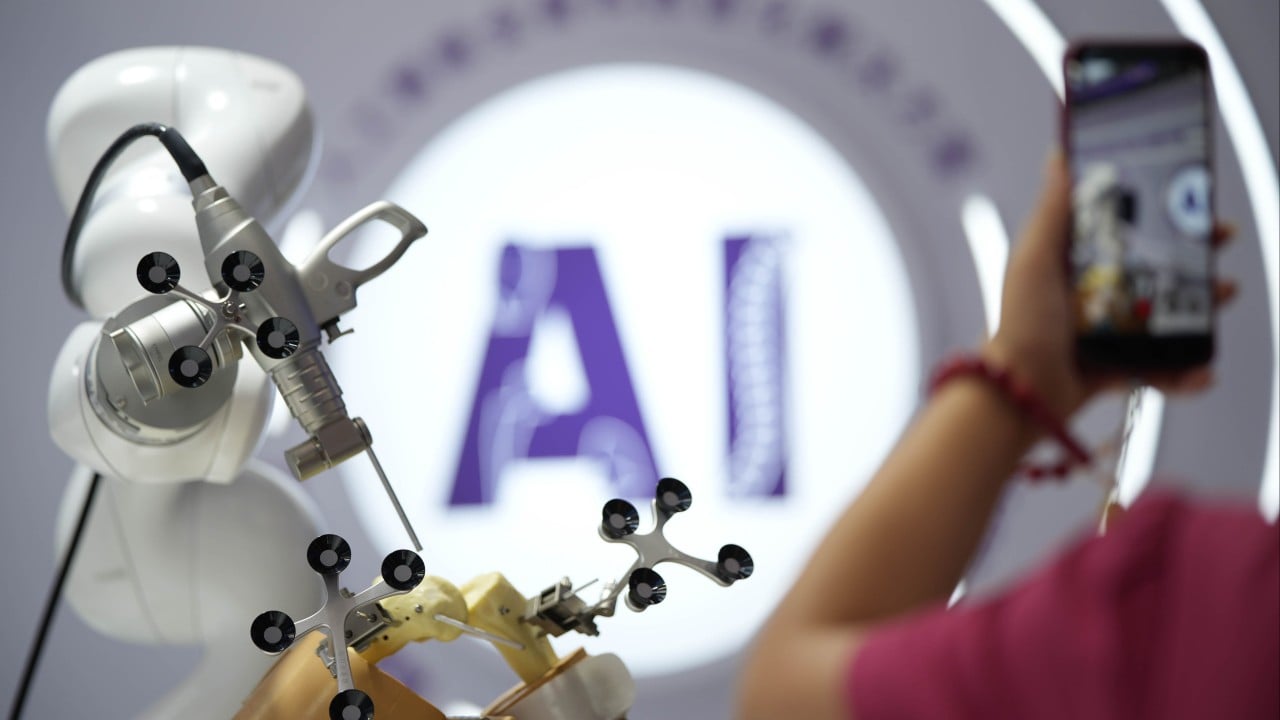
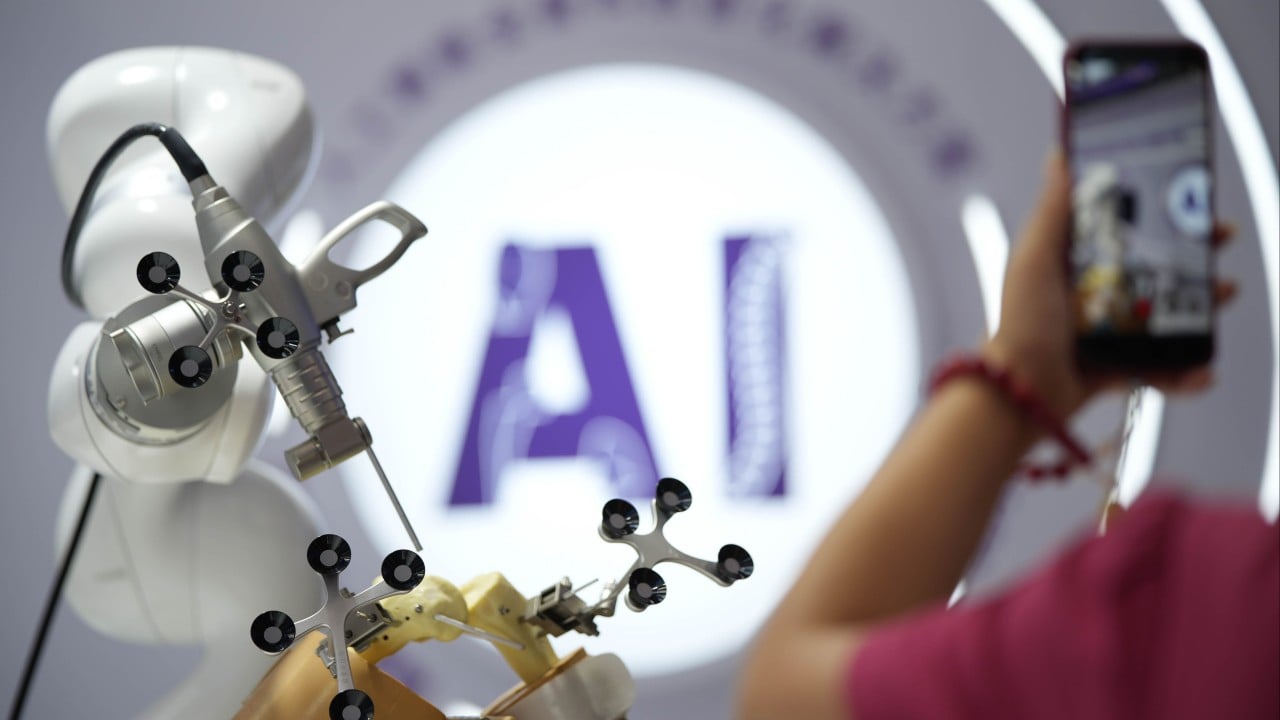
In numerous sectors, the government is still promoting AI usage to mitigate looming demographic pressures. Last year, the national health commission released guidelines advocating for AI integration in healthcare, projecting that by 2030, health assistant apps would offer "complete coverage" for primary healthcare. One widely-used health assistant is AQ, developed by Ant Group, an affiliate of Alibaba.
It enables users to converse directly with avatars of actual doctors from top hospitals in Beijing, Shanghai, and other cities. AQ aims to enhance healthcare accessibility and alleviate the burden on doctors by focusing on more complex cases. However, some individuals worry about AI replacing human healthcare providers. "When AI emerged, many doctors feared their jobs would be replaced by AI," commented Chi Chenfei, a doctor at Renji hospital in Shanghai, who collaborates with AQ.
"But I don't believe it's about replacement; it's more about assisting doctors in working more efficiently. Concerns about such matters won't hinder technological advancements." Since losing her AI companion, Zhao has experienced a sense of emptiness. Yet, she acknowledges the necessity for some regulation. "I consider myself a rational person, yet I developed feelings for an AI, which feels quite remarkable. I believe it was essential for the state to intervene and regulate it."
Written by urgent.news from Guardian Health's reporting — not their text. Machine-written — may contain errors; check the original before relying on it.
This story
This is one outlet's version. Read the fullest account.