Human rights expert explains why labor trafficking often hides in plain sight
It can happen in fields, restaurants, hotels and construction sites—a type of human trafficking often hiding in plain sight and receiving far less media coverage. Labor trafficking is a human rights violation in which individuals are forced to perform labor or services through force, fraud or coercion. The National Human Trafficking Hotline identifies examples including domestic workers forced to…

Labor trafficking, a form of human trafficking, often goes unnoticed due to its ability to blend into legitimate industries and private homes. This type of exploitation involves forcing individuals to work through force, fraud, or coercion. Despite affecting 77% of human trafficking victims worldwide, labor trafficking receives significantly less media attention compared to sex trafficking.
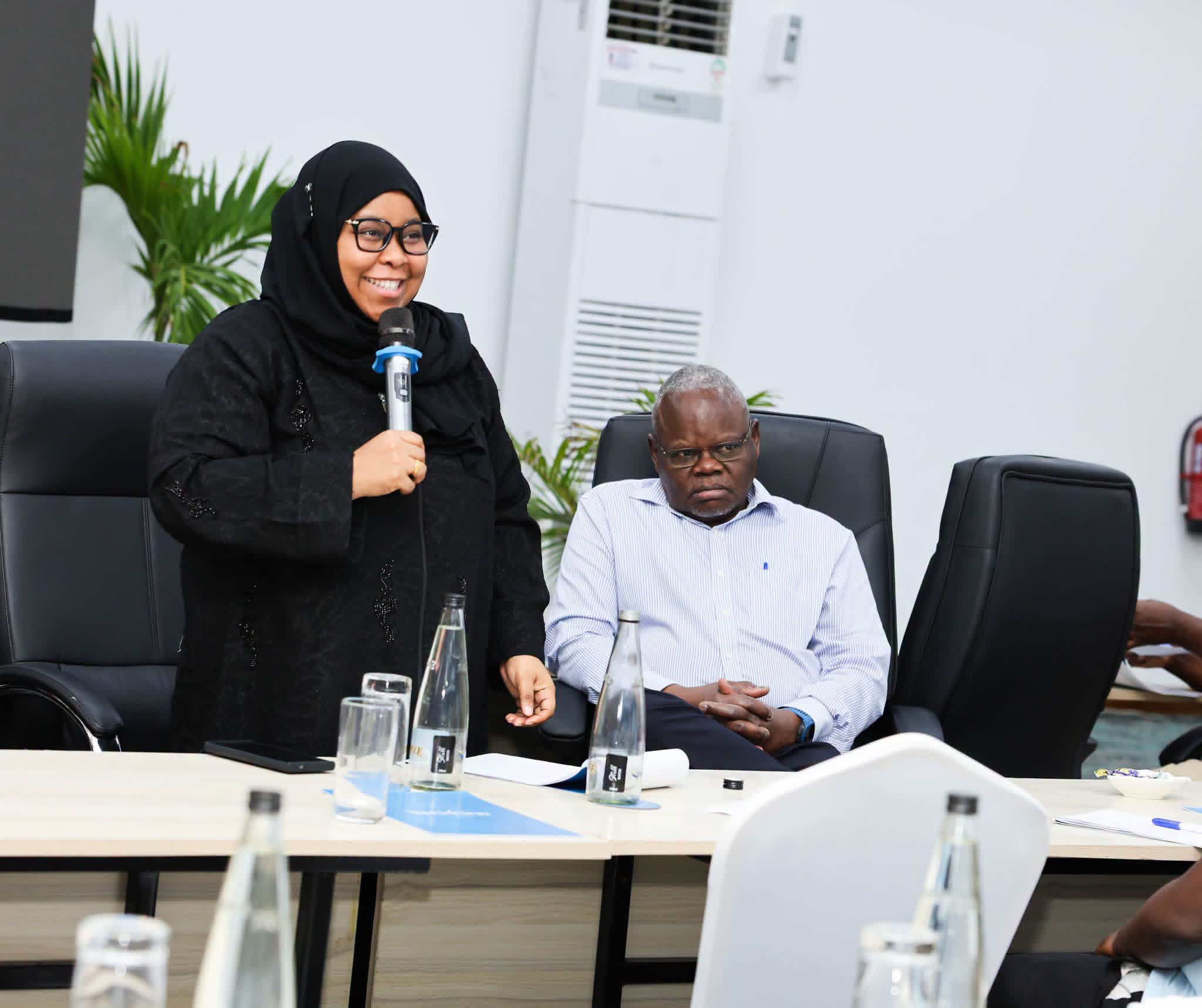
Terry Coonan, executive director of Florida State University's Center for the Advancement of Human Rights (CAHR), explains that labor trafficking is difficult to recognize, investigate, and convey as a compelling victim story.
One reason for this underrepresentation is that labor trafficking can occur in industries that rely on subcontracting, allowing companies to hire outside crews that exploit forced labor. The corporation may be unaware or choose to ignore that their profits stem from this exploitation. Coonan also highlights cases in Florida involving forced labor by traveling sales crews, religious organizations, and private citizens, such as house slaves.
Despite being the primary form of human trafficking globally, labor trafficking is only mentioned in about 11% of trafficking-related media coverage. CAHR has provided legal assistance to victims in Florida agriculture, hotels, golf resorts, restaurants, roofing industries, and private homes.
To effectively prevent labor trafficking, mandatory supply chain due diligence and transparency by corporations are crucial. Countries like the United States should continue enforcing bans on the importation of goods produced by slave labor. Consumers play a vital role by making informed choices about where they spend their money, avoiding products such as fast fashion, cosmetics, chocolate, and sports items that may have been produced through illegal child labor.
By checking company websites and supporting brands that eliminate child labor and forced labor in their supply chains, consumers can contribute to ending this global issue.
Written by urgent.news from Phys.org's reporting — not their text. Machine-written — may contain errors; check the original before relying on it.