Human brains usually decay first; some survived 12,000 years. Here's how
Recent studies shed light on how some ancient brains manage to endure over time. The availability of oxygen is pivotal in influencing the survival of brain proteins post-mortem. In moist, low-oxygen environments, decomposition favors protein cross-linking, which fortifies these proteins against degradation. This explains the remarkable preservation of certain ancient brains while other bodily…
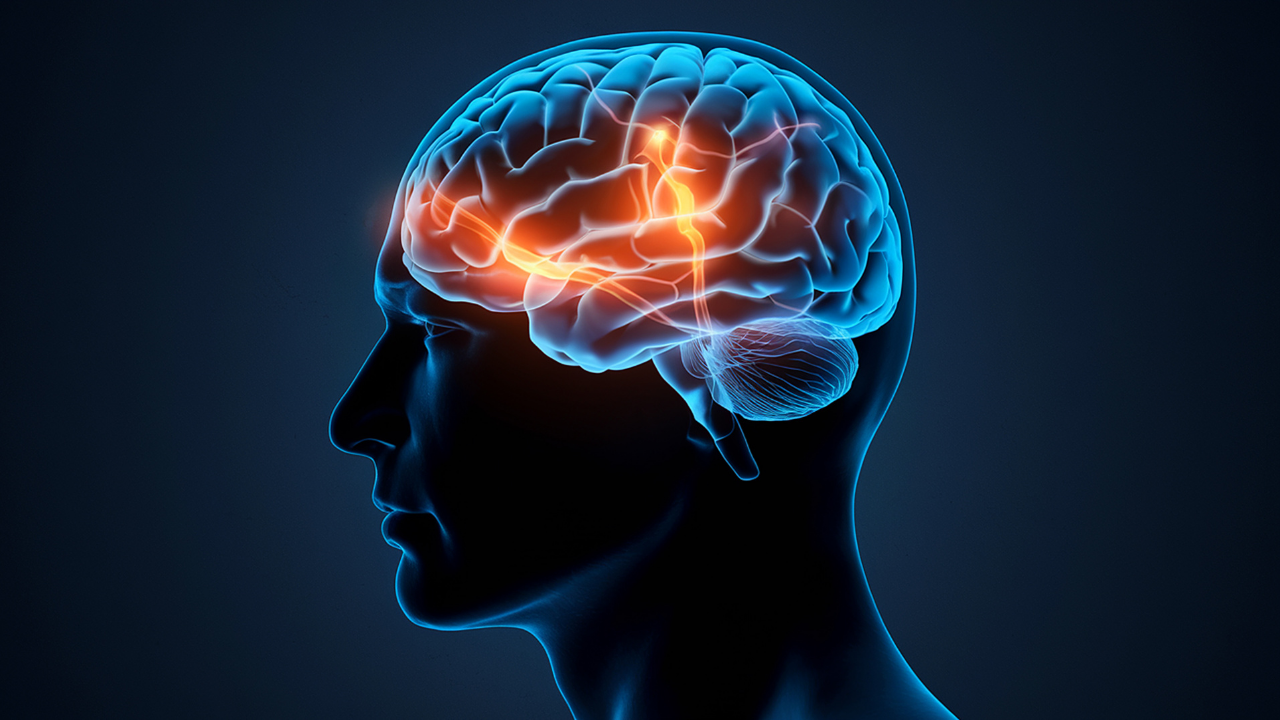
The human brain is typically among the first organs to decompose after death, which makes the discovery of preserved brains at archaeological sites particularly intriguing. However, thousands of ancient human brains have endured long after other soft tissues have perished, sometimes even being the sole remaining soft tissue in otherwise skeletonised remains.
New research published in the Journal of Proteome Research sheds light on the molecular mechanisms behind this rare form of preservation. The study, led by Alexandra Morton-Hayward of the University of Oxford, reveals that the preservation of brain proteins is heavily influenced by the chemical and structural environment in which the brain is buried.
Written by urgent.news from Times of India's reporting — not their text. Machine-written — may contain errors; check the original before relying on it.