How to Avoid Burnout as a Solo AI Filmmaker: The System I Built for Lost Garden
AI filmmaking can turn one creator into an entire crew. This piece explores the operational burnout that follows and the systems that make it sustainable.
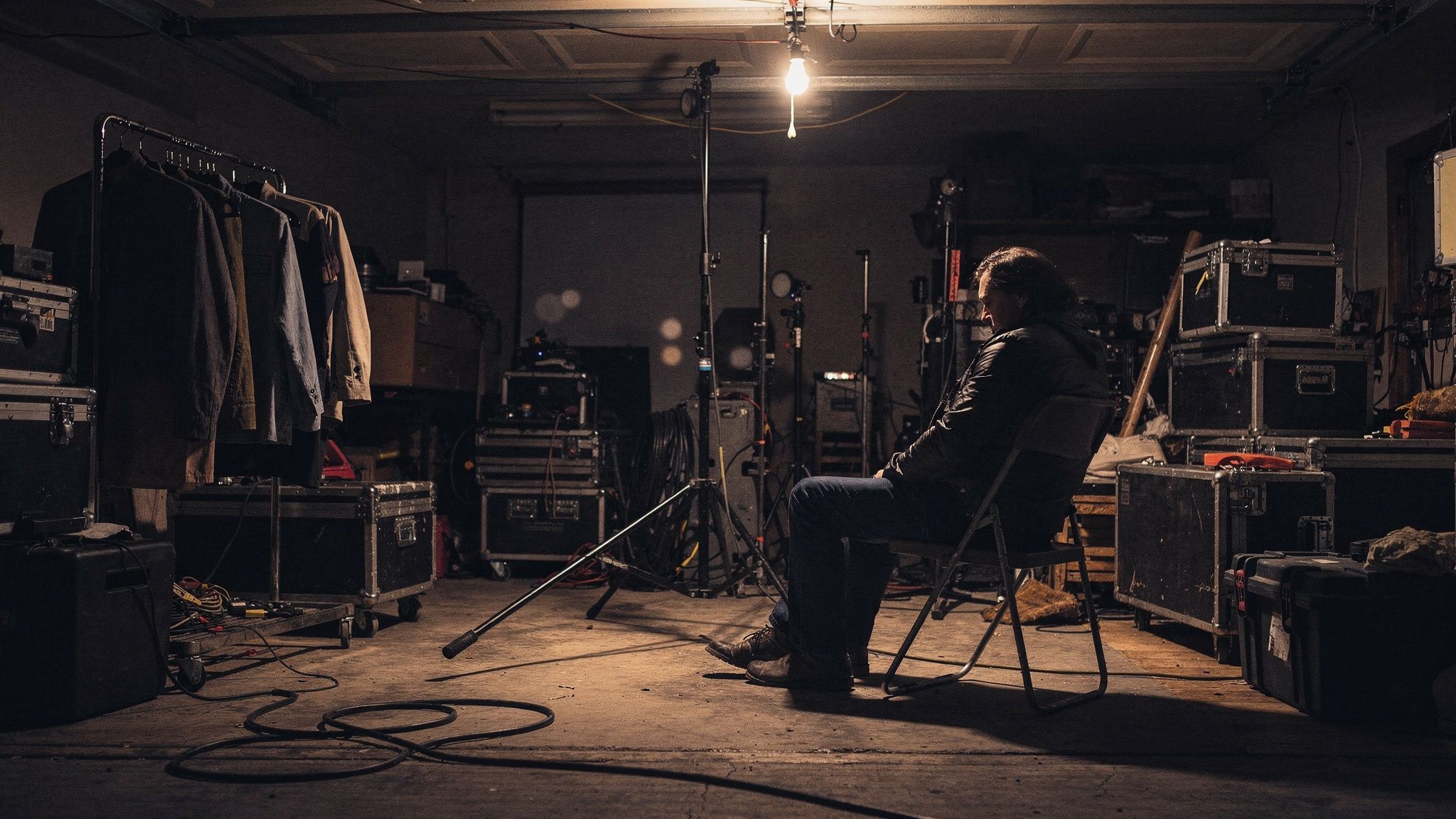
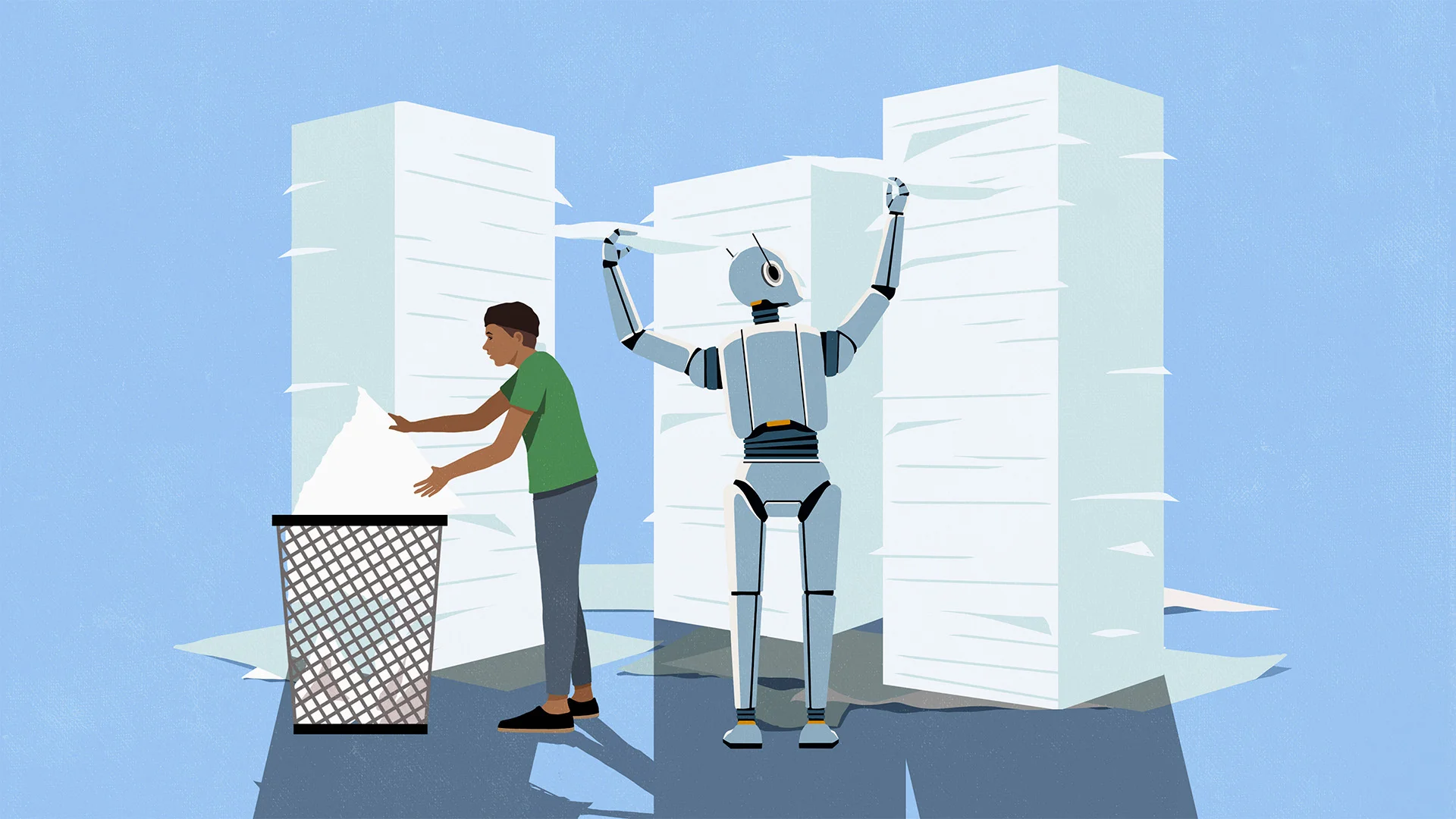
Burnout in solo AI filmmaking often stems not from producing too many clips, but from assuming too many roles yourself. This can lead to exhaustion despite successful shot and voice work on a project. The system of a traditional film crew with clear roles helps distribute workload, whereas AI filmmaking tends to collapse those roles into one person. This can result in roles like set designer, lighting director, and colorist all falling on the sole creator.
Research shows that 48% of creators have experienced burnout, with the rate higher among those relying on content creation as their main income. The World Health Organization classifies burnout as chronic workplace stress that hasn't been successfully managed.
Key burnout patterns to watch for include the quantity trap, where output pace increases without supporting infrastructure, leading to lower energy and quality. The pivot spiral, where frequent changes in format or approach cause constant relearning, and the monetization pressure collapse, where personal projects face performance expectations. These issues are about a workload multiplying while the support system stays the same size.
To avoid burnout, solo AI filmmakers can treat some workload as infrastructure rather than craft. This includes locking character voice settings, lighting language, and color grade once and reusing them, rather than re-deciding each scene. Batching tasks by type rather than scene can also reduce switching costs. Establishing a boring, consistent schedule can help maintain sustainable output. The key is to focus on building sustainable operations now, rather than just working hard in the short term.
Written by urgent.news from HackerNoon's reporting — not their text. Machine-written — may contain errors; check the original before relying on it.