How the African art market is tackling money laundering and ownership transparency
Discover how the burgeoning African art market grapples with the challenges of tracing ownership and combating money laundering as international demand surges.
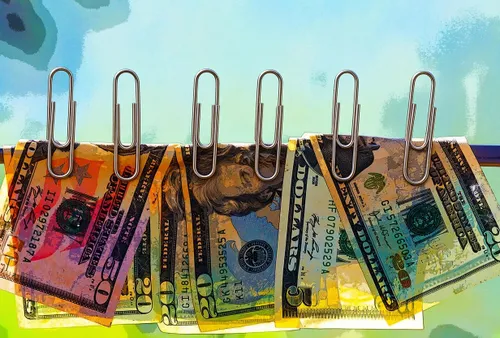
The African art market faces challenges related to money laundering and ownership transparency as it expands internationally. Artworks often travel through multiple countries before reaching a private collector, making it difficult to trace both the artwork and the finances behind its sale. This situation has drawn renewed scrutiny from regulators and cultural authorities, given the potential for illicit funds and stolen objects to infiltrate the market.
The global art trade has always attracted scrutiny due to the private transactions of valuable works, their movement between countries, and limited public information on owners or transaction histories. For Africa, this issue is growing as cities like Lagos, Accra, and Johannesburg become significant centers for contemporary art.
The rising interest from international galleries, collectors, and auction houses in African artists increases the value of the artworks involved, heightening the importance of provenance – the documented ownership history of an artwork. Incomplete or unreliable records make it hard to determine if a work was acquired legitimately, illegally exported, or involved in a previous transaction.
This uncertainty can create opportunities for abuse, particularly as artworks can significantly appreciate in value. The risks extend beyond contemporary paintings; many African governments and cultural institutions are seeking the return of artefacts taken during the colonial era. Museums and private collections in Europe and North America still hold African cultural objects with contested ownership histories.
The illegal trade in antiquities also poses a challenge, as objects can be removed from archaeological sites, passed through intermediaries, and transported across borders before reaching international buyers. By the time an object enters the legitimate market, it can be extremely difficult to establish its origin.
Money laundering further complicates the issue, as artworks can represent substantial sums in a single transaction, making financial investigators concerned about using the market to obscure the origins of criminal proceeds. The international nature of the trade complicates investigations, as an artwork's journey can involve creating in one country, being sold through a dealer in another, storage in a third, and eventual purchase by a collector elsewhere. Each transaction may fall under different legal and financial systems.
However, African art businesses and artists are also keen on preventing the market from being associated with criminal activity. Greater transparency could boost confidence among international collectors while safeguarding artists and legitimate dealers. Implementing measures like clearer ownership records, stronger documentation for exports and imports, and enhanced cooperation between financial and cultural authorities could aid in identifying suspicious transactions.
The challenge lies in balancing the desire of African artists and galleries for a growing international market with the need of governments and cultural institutions to prevent the use of valuable works and heritage objects for concealing criminal wealth or facilitating illegal exports. As African art gains prominence globally, questions about ownership, origin, and the traceability of proceeds become increasingly critical.
Answering these questions could determine whether Africa's art market grows on a foundation of transparency and trust.
Written by urgent.news from IOL's reporting — not their text. Machine-written — may contain errors; check the original before relying on it.