How IHH Healthcare CEO Prem Kumar Nair is planning for a longer-lived Asia
The head of Asia’s largest private health group is advancing clinical longevity, cancer care, AI and neighborhood-based treatment.
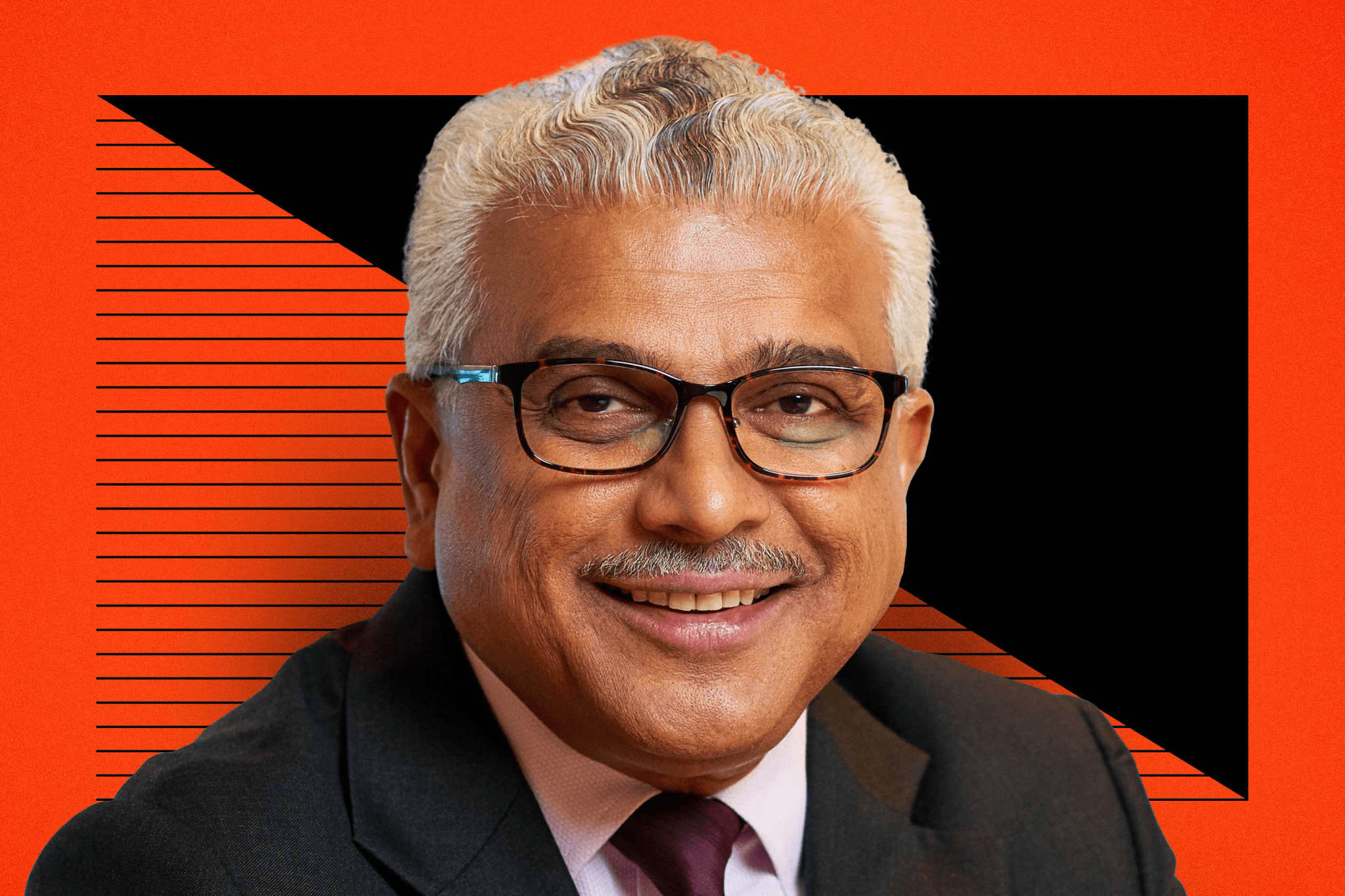
Prem Kumar Nair, CEO of IHH Healthcare, the largest private health group in Asia, believes that true longevity goes hand in hand with good health. In an interview with Fortune, Nair pointed out that as populations in Asia become wealthier and live longer, the prevalence of lifestyle diseases like diabetes, hypertension, and high cholesterol increases.
According to the Asian Development Bank, by 2050, one in four people in the region will be over 65 years old. Despite living longer, people in Asia are not necessarily healthier than those outside the region. A Stanford study published in April highlights that aging accounted for 33.6% of the increase in disease burden across mainland China, Japan, Singapore, South Korea, and Taiwan.
To tackle this challenge, IHH launched "Healthspan", a preventive health and longevity program introduced in July. Unlike the wellness industry driven by aesthetics, IHH's Healthspan focuses on clinical intervention. Nair emphasized that longevity is anchored in clinical science, not superficial pursuits like coloring hair or taking vitamins.
For instance, sarcopenia, the age-related loss of muscle mass, is addressed by encouraging older patients to engage in resistance training, not to build muscles for aesthetics but to maintain stability and prevent falls and related fractures. Additionally, IHH leverages GLP-1 drugs, including Ozempic and Wegovy, not for cosmetic weight loss but to prevent obesity-related arthritis and metabolic diseases.
As Asia's population ages, IHH is expanding its presence by building ambulatory care centers in densely populated, aging cities like Singapore and Hong Kong. These smaller, community-based facilities handle procedures such as endoscopies and total knee replacements without requiring hospital admission. This shift towards neighborhood-based, personalized care marks a larger trend in healthcare administration worldwide, moving from hospital-centric models to integrated, accessible services embedded in communities.
Nair noted that this transformation marks a shift from being a mega hospital player to a healthcare ecosystem player across the countries IHH operates in.
IHH Healthcare, established in 2010 as a holding company for Malaysian sovereign wealth fund Khazanah Nasional Berhad's healthcare investments, underwent a dual listing in 2012. The company went public through a dual IPO in Malaysia and Singapore. With over $6 billion in 2025 revenue, IHH ranks No. 58 on Fortune's Southeast Asia 500 list.
The firm has grown from 89 hospitals across 10 countries by adding 4,000 beds since Prem took charge in 2020. Rather than focusing on mergers and acquisitions, Prem has redirected the company's growth strategy to organic expansion within existing markets and businesses. During the early days of the COVID-19 pandemic, Nair led IHH's Singapore operations, coordinating medical staff for virus screening and support in foreign worker dormitories, which were at the epicenter of the outbreak.
This experience emphasized the importance of collaboration between public and private sectors during health crises, a lesson that continues to guide IHH's approach.
Written by urgent.news from Fortune's reporting — not their text. Machine-written — may contain errors; check the original before relying on it.