How Dolly Parton’s ‘9 to 5’ gave voice to working women
In the mid-1970s, at the height of the feminist movement, a group of women in Boston came together to create a forum for working class women to trade stories about their experiences in the office. As they compared notes, they found that they had a lot in common. “They all had stories to tell of not being paid as much as men in their offices, of having their male supervisors take their ideas and…
In the mid-1970s, a group of women in Boston formed a forum to discuss their experiences working in office environments. They discovered that they shared common issues such as unequal pay and male supervisors taking credit for their ideas. These women, including Ileen DeVault, a labor history professor at Cornell University, started organizing office workers and secretaries, eventually leading to the formation of a union called SEIU Local 925.
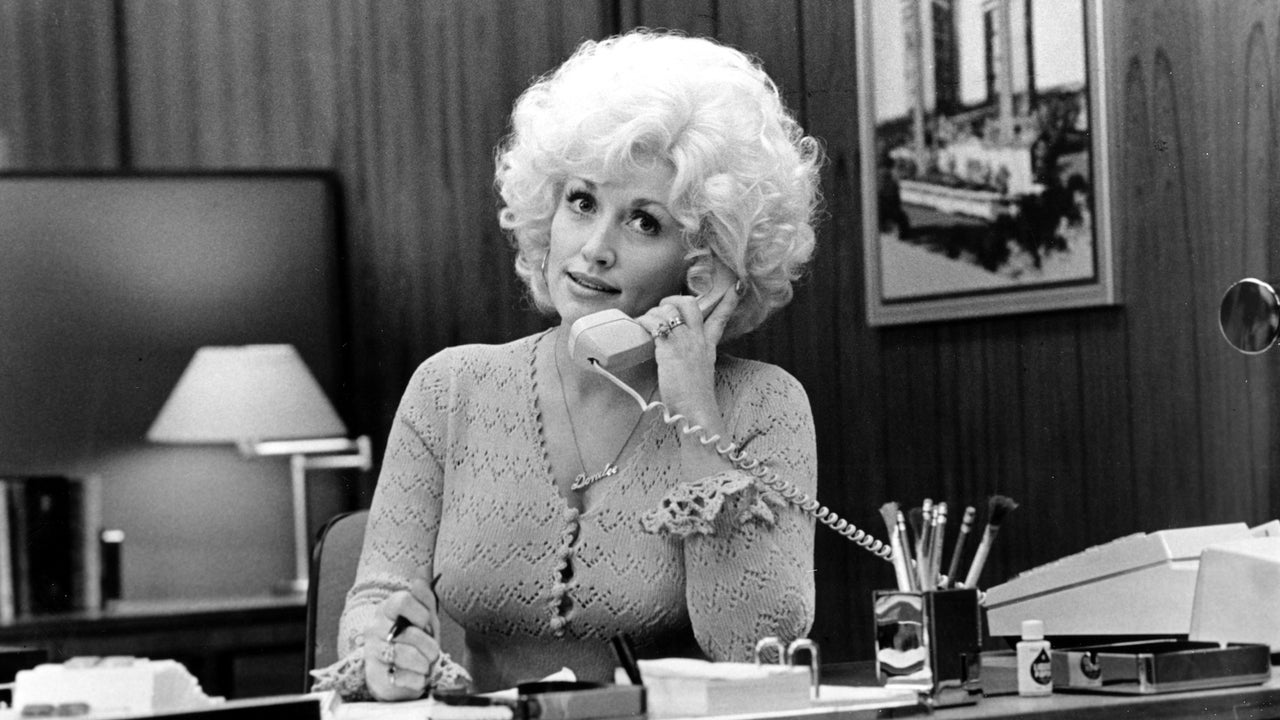
The influential 1980 film 9 to 5, starring Dolly Parton, Jane Fonda, and Lily Tomlin, was inspired by this organizing effort. Parton, in her debut major acting role, portrayed Doralee Rhodes, a secretary harassed by her sexist boss. The movie depicted the women uniting to secure equal pay and a daycare, drawing from the real-life experiences of clerical workers.
9 to 5 not only highlighted the issues faced by working women but also effectively changed the perception of the attractive secretary archetype, emphasizing their intelligence and independence. Over the years, despite some progress, women continue to face wage gaps, sexual harassment, and discrimination in the workplace. The film's themes remain relevant as the gender pay gap persists and protections for equal opportunities are continually targeted.
Written by urgent.news from Fast Company's reporting — not their text. Machine-written — may contain errors; check the original before relying on it.
This story
This is one outlet's version. Read the fullest account.
- Trump orders US flag lowered for Dolly Parton economictimes.indiatimes.com