How does ship rescue work in international waters?
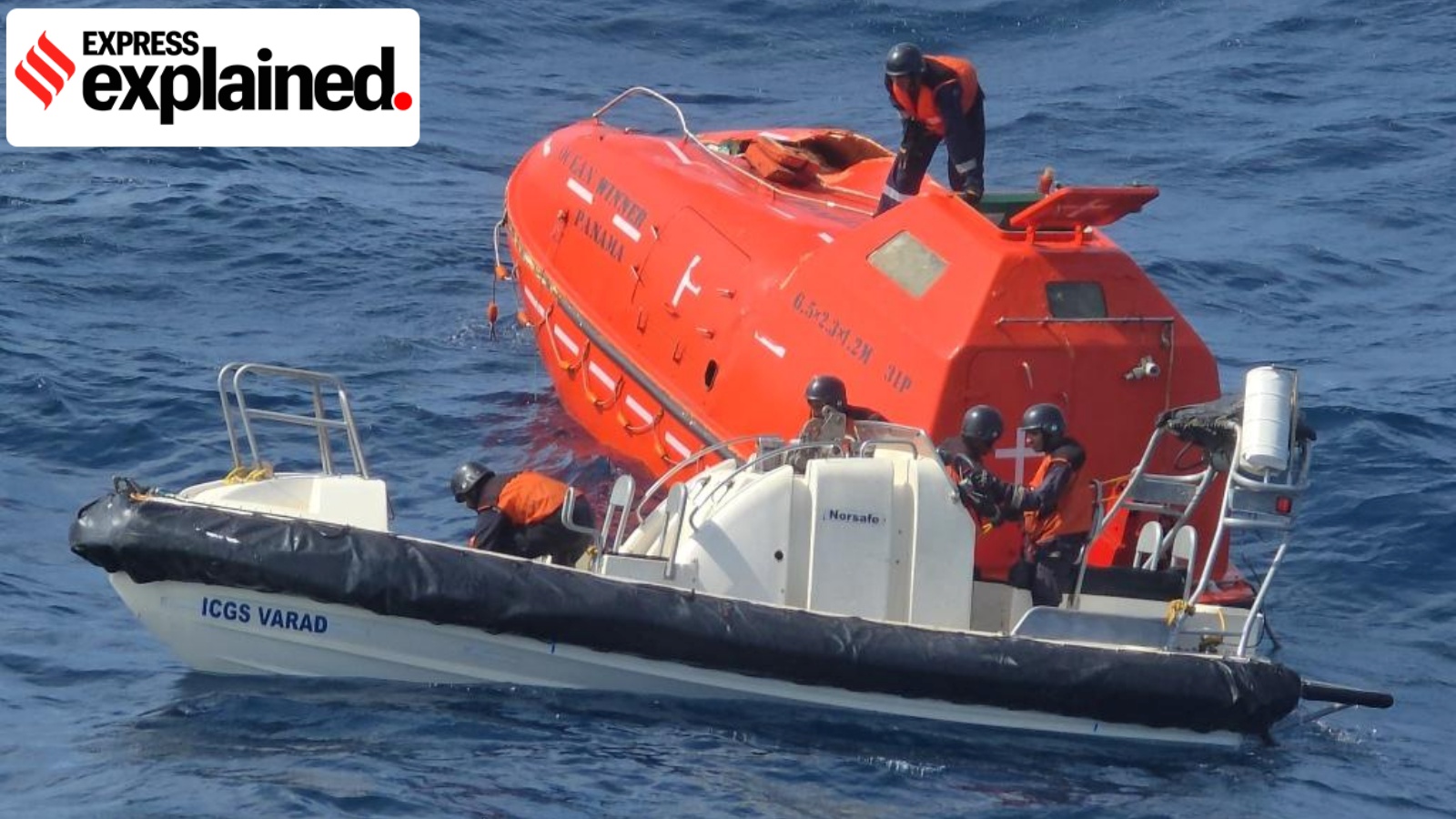
On August 22, the Panama-flagged bulk carrier MV Ocean Winner sank in the Bay of Bengal, about 230 nautical miles off the coast of Odisha. The ship departed from Odisha's Paradip port carrying 72,100 tonnes of iron ore. A distress alert was issued from roughly 378 nautical miles east of Visakhapatnam when communications with the vessel ceased.
Among the 24 crew members, only two Chinese nationals have been rescued despite the coordinated efforts of the Indian Coast Guard, Navy, and Beijing's Maritime Rescue Coordination Centre.
International waters extend up to 12 nautical miles from a coastal state's baseline, with an exclusive economic zone up to 200 nautical miles. Even though MV Ocean Winner was 230 nautical miles from the coastline, it still fell under India's search and rescue region. The vessel's distress signal was picked up by the Maritime Rescue Coordination Centre (MRCC) in Port Blair, which is part of India's search and rescue region that spans 4.6 million sq km.
The Indian Navy's Boeing P-8I Long Range Maritime Patrol Aircraft was redeployed from routine surveillance to aid in the rescue mission. The SAR Convention, adopted in 1979, establishes a standard operating procedure for search and rescue operations worldwide. Neighboring states, including China, are required to pool resources and authorize immediate entry into their territorial waters for foreign rescue efforts. This collaborative approach ensures a rapid response in deep-sea rescue operations.
Written by urgent.news from The Indian Express's reporting — not their text. Machine-written — may contain errors; check the original before relying on it.