How do navies hunt submarines? NATO's deadly game of detection beneath the waves
NATO navies are focusing on submarine detection and neutralization challenges. Exercises like Northern Viking 26 highlight coordinated anti-submarine warfare efforts. Modern warfare relies on advanced acoustic technology and persistent coordination between assets. India is the only nation to sink a submerged submarine since World War Two. Submarine and anti-submarine systems continue to advance,…
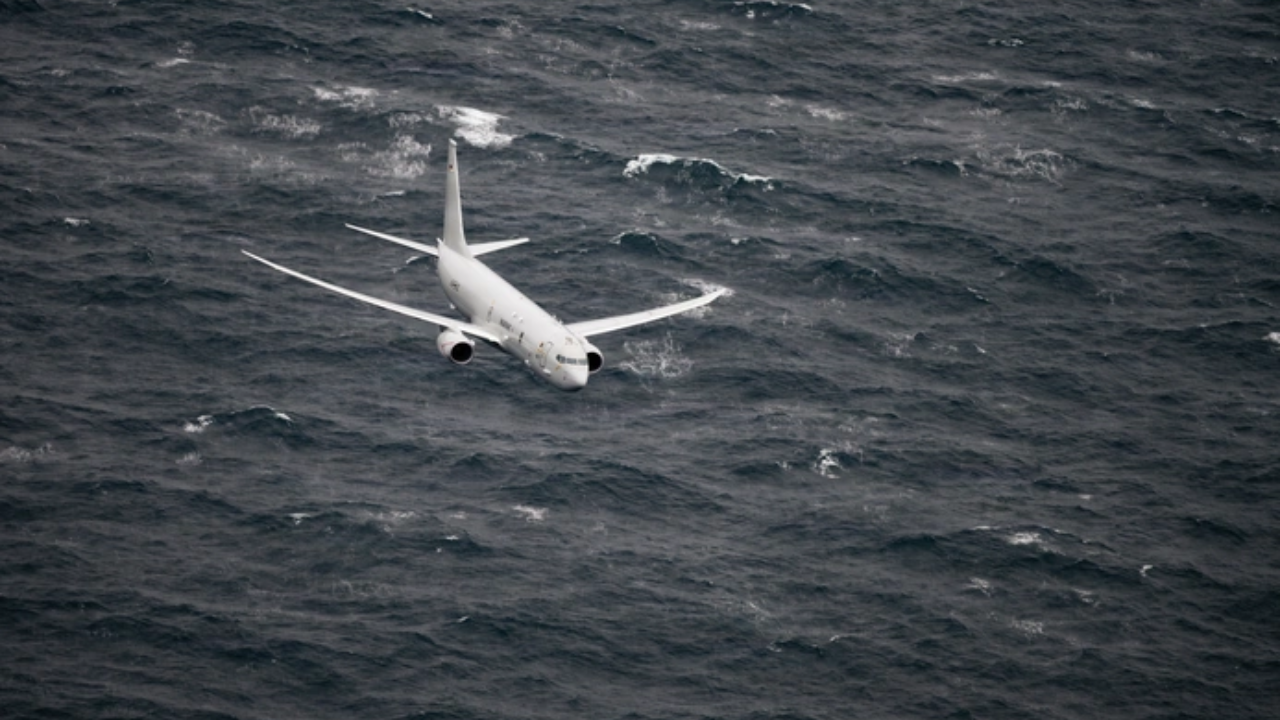
NATO navies are once again focusing on the challenge of finding and disabling enemy submarines beneath the ocean's surface. This week, Standing NATO Maritime Group One and Standing NATO Mine Countermeasures Group One joined Exercise Northern Viking 26 off Iceland's coast. The drill, led by the United States, aimed to safeguard the strategically vital Greenland-Iceland-UK corridor, a key route for Russian submarines to threaten the North Atlantic.
Submarine hunting is a highly complex form of naval warfare. Modern submarines rely on stealth as their main defense, making them difficult to detect. Anti-submarine warfare has evolved into a multi-layered contest, primarily relying on sound rather than sight. Passive sonar systems listen for the distinct acoustic signature generated by a submarine's engines, propellers, and machinery.
Active sonar, on the other hand, emits a pulse and analyzes its echo to determine the range and bearing of a submerged target. Sonobuoys, dropped from patrol aircraft or helicopters, are deployed across a search area to detect and triangulate a contact. Fixed hydrophone arrays on the seabed offer continuous listening capabilities in critical waterways.
Surface ships, submarines, and maritime patrol aircraft collaborate in anti-submarine warfare, as no single platform can reliably maintain a contact. Exercise Northern Viking highlights the importance of persistent coordination between different assets, advanced acoustic technology, and a deep understanding of a dynamic operating environment.
Since World War II, India remains the only nation to have sunk a submerged submarine during conflict. In 1971, during the Indo-Pakistan war, the Pakistani submarine PNS Ghazi was destroyed by the Indian destroyer INS Rajput off Visakhapatnam. The Ghazi was dispatched to the Bay of Bengal to attack the Indian aircraft carrier INS Vikrant.
Similarly, throughout history, numerous ships have been lost to submarine attacks, including the Argentinian cruiser ARA General Belgrano sunk by a submarine during the Falklands War and the recent sinking of the Iranian ship IRIS Dena near Sri Lanka. As both submarines and anti-submarine systems advance, neutralizing a submarine has become an increasingly difficult task.
Written by urgent.news from Times of India's reporting — not their text. Machine-written — may contain errors; check the original before relying on it.