How could facial recognition technology differ from CCTV?
While security cameras are a regular feature in many supermarkets, new technology could change the face of how businesses monitor customers.
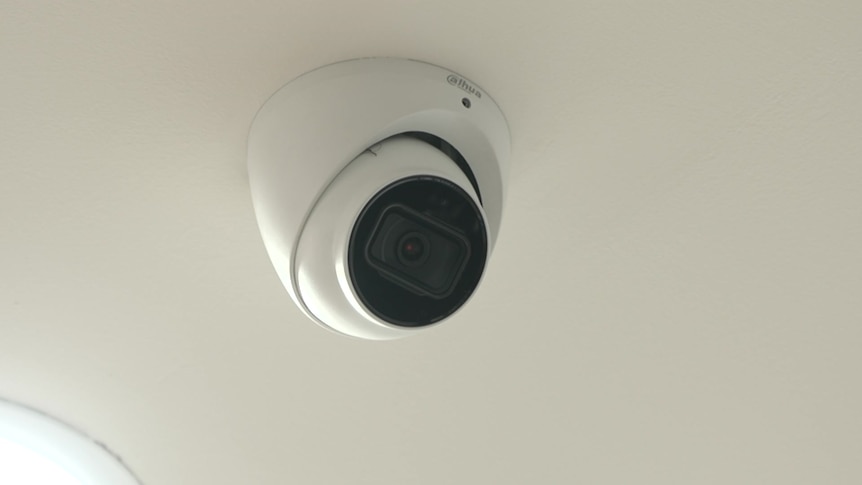
Facial recognition technology (FRT) sets itself apart from traditional closed-circuit television (CCTV) systems through its ability to automatically scan and identify individuals based on their unique facial features. Unlike CCTV cameras that require manual review and identification, FRT uses software to swiftly and accurately scan people's faces and match them against pre-extracted biometric templates for verification or identification purposes.
This makes FRT a more efficient tool for security teams, particularly in retail environments where suspicious individuals or those with outstanding warrants can be identified and dealt with swiftly.
Despite its advantages for security, FRT has raised significant privacy concerns. Some critics argue that FRT could be misused by retailers to collect personal data on shoppers, potentially enabling them to manipulate or control their behavior. Others fear that the technology could be used to unfairly target innocent individuals.
However, it is essential to note that Australia's Privacy Act does not explicitly ban or permit the use of facial recognition technology, leaving entities with the discretion to decide if their use complies with the Australian Privacy Principles.
With new rules set to come into effect regarding automated decisions in December, businesses must consider how FRT may impact individuals' rights and interests. Advocacy groups like Digital Rights Watch argue that Australia's existing privacy laws are insufficient to protect consumers from potential misuse of facial recognition technology.
They urge legislators to draft privacy-protecting legislation to ensure the technology is used responsibly and ethically, particularly in public spaces where privacy concerns are even greater.
Written by urgent.news from ABC News AU's reporting — not their text. Machine-written — may contain errors; check the original before relying on it.