How a family reunion in China ended in a 3-year prison term for artist Gao Zhen
Chinese artist Gao Zhen received a three-year prison sentence for his satirical artwork. Authorities charged him with "infringing upon the reputation of heroes" for his art. Gao's wife expressed deep disappointment and sadness over the unexpected conviction. His supporters argue the artworks predate the law under which he was prosecuted. The sentence highlights China's narrowing space for…
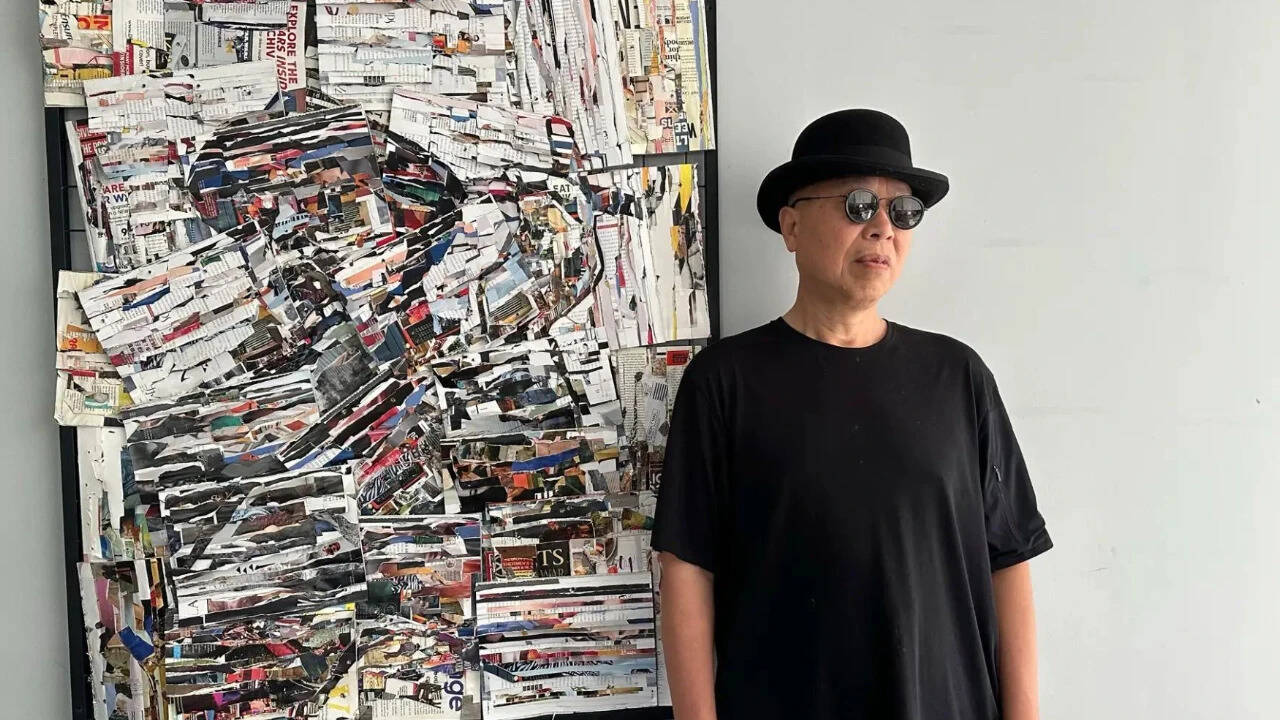
In August 2024, US-based Chinese artist Gao Zhen found himself in a Chinese prison, sentenced to three years for creating satirical artwork mocking Mao Zedong. Gao, a member of the Gao brothers artistic duo, was arrested upon his return from the US, where he and his family had moved. His wife, Zhao Yaliang, had prepared his clothes expecting his release, but two years later, Gao remains in custody.
The convicted artworks include "Mao's Guilt," a statue of the founding father kneeling in repentance, and the "Miss Mao" series, which caricatures Mao with exaggerated physical features. Gao's supporters argue that the works were created before the law he was prosecuted under. Shane Yi, a researcher with Chinese Human Rights Defenders, claims Gao intends to appeal the decision, calling it "a very clear case of a violation of a person's freedom of expression."
Amnesty International also condemned the conviction, stating that the lengthy pre-trial detention and Gao's maximum three-year sentence aim to discourage artists from challenging official narratives. The case highlights the Chinese government's determination to deter independent artistic expression. The Gao Brothers, known for their works examining authoritarianism and censorship, have seen a decline in political expression opportunities in recent years.
Zhao, Gao's wife, remains hopeful for her husband's return to the US, despite the fact that pre-trial detention time is often counted towards prison sentences in China.
Written by urgent.news from Times of India's reporting — not their text. Machine-written — may contain errors; check the original before relying on it.