Hot weather sends more people to emergency rooms, study finds
Heat makes emergency rooms busier. Study shows which illness and injuries rise during hot spells
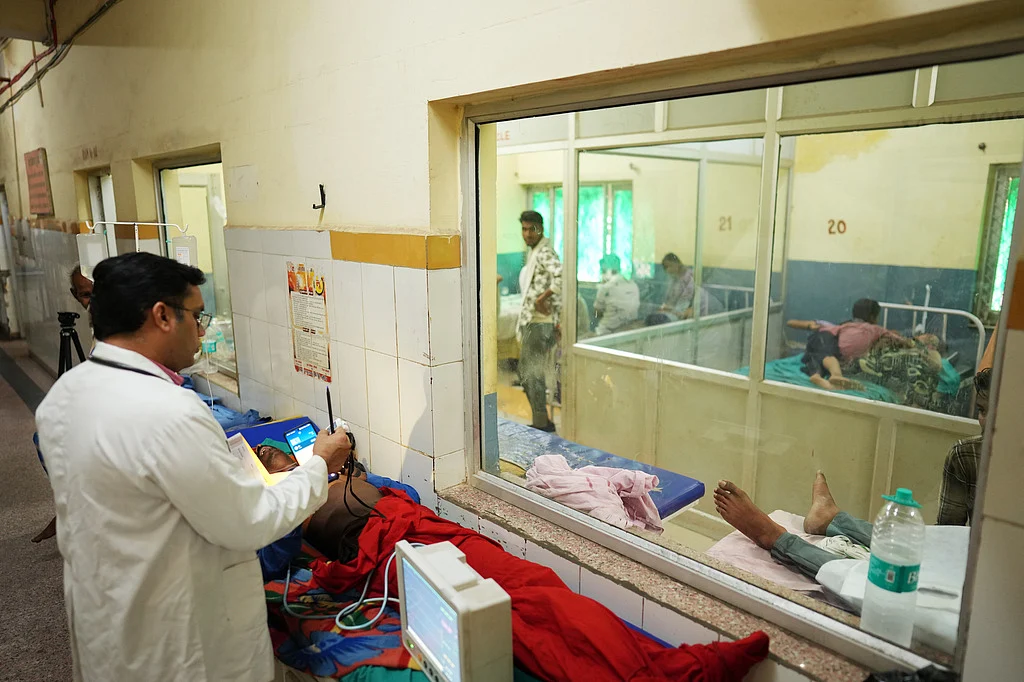
A new study reveals that hotter temperatures lead to increased emergency room visits, according to research conducted by Northwestern University medical school. By analyzing records from 916,404 hospital visits in Chicago between 2011 and 2023, researchers discovered that more than a dozen categories of injuries and illnesses become more common on days when temperatures reach or exceed 92.6 degrees Fahrenheit (33.7 degrees Celsius).
The surge in medical issues includes accidents, kidney problems, skin conditions, varicose veins, and mental health complications related to marijuana use. Some conditions, such as accidental gunshot wounds, saw their frequency jump more than 30-fold compared to cooler days. Unexpectedly, even mental health issues linked to marijuana use increased during hotter days.
While the study focused on Chicago, experts outside the research noted that these findings highlight overlooked health risks and rising costs associated with global warming. Dr. Abel Kho, a study author and internal medicine professor, explained that on hot days, a "sound of ambulances" often echoes through the city.
The study also revealed that certain medical conditions, particularly those affecting the kidneys, experienced heightened frequency on hot days. Additionally, skin problems were more prevalent but often overlooked in non-medical literature. For those using marijuana, the study suggests caution, as heat can intensify the effects of certain medications.
However, the study did not pinpoint cardiovascular issues as a significant concern during extreme heat. This discrepancy may be due to the presence of other health issues in patients, such as kidney or fluid imbalances, which influence how their conditions are coded.
The research emphasizes the need for heightened awareness about the health risks associated with heat exposure, especially for vulnerable populations like Black individuals and women. The study's co-author, Daniel Horton, a Northwestern climate scientist, emphasized that heat waves are becoming more frequent, intense, and prolonged, which directly impacts both mortality and morbidity risks.
Experts agree that taking heat seriously is crucial, particularly for individuals with pre-existing medical conditions. The study serves as a reminder that climate change may be contributing to increased illness and strain on healthcare systems, underscoring the importance of addressing heat-related health issues.
Written by urgent.news from Gulf News's reporting — not their text. Machine-written — may contain errors; check the original before relying on it.