Hong Kong customs seizes HK$11m of suspected sex pills, cancer drugs at warehouse
Hong Kong customs officers have seized HK$11 million (US$1.4 million) worth of suspected men’s sexual health pills and cancer treatment drugs in a Sheung Shui warehouse, arresting two people. Inspector Shirley Woo Suet‑yi of the customs syndicate crimes investigation bureau said on Wednesday that officers had noticed a rising demand for controlled pharmaceutical products in recent weeks.…
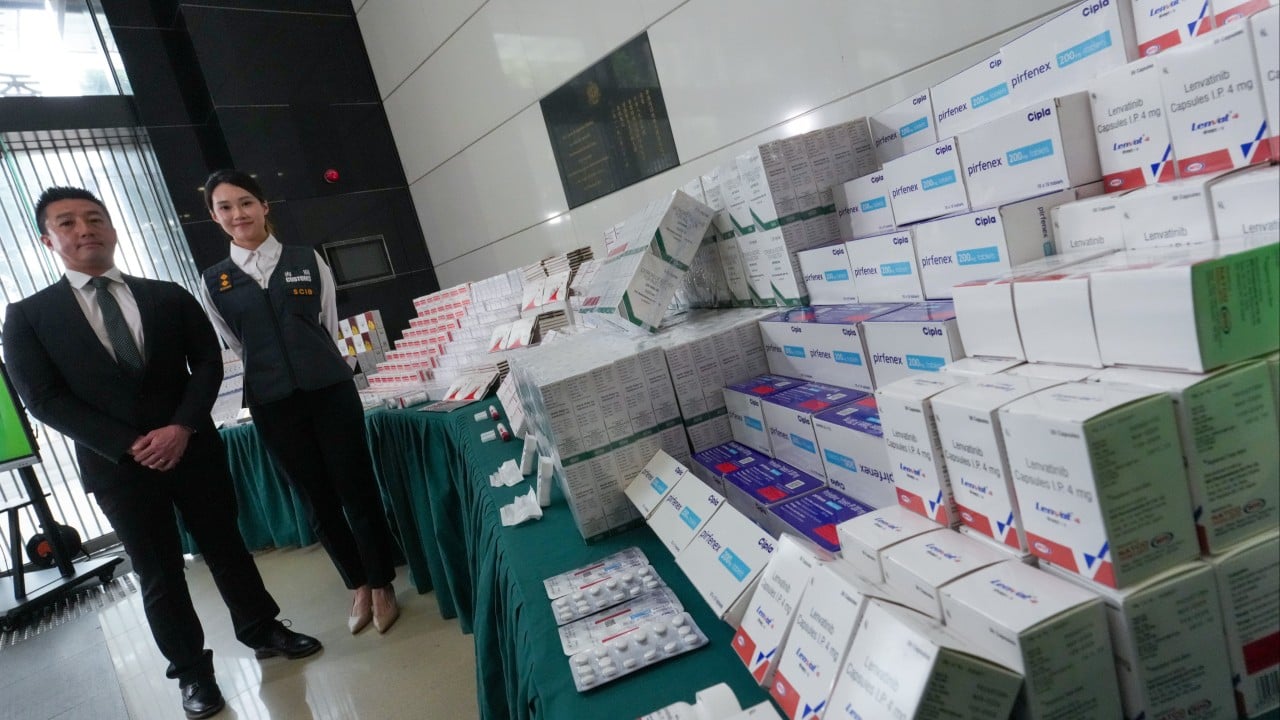
Hong Kong customs officers seized HK$11 million worth of suspected men's sexual health pills and cancer treatment drugs from a Sheung Shui warehouse, arresting two individuals. Inspector Shirley Woo of the customs syndicate crimes investigation bureau noted a surge in demand for controlled pharmaceutical products recently. The investigation began this month, leading to the discovery of an industrial space linked to smuggling in Sheung Shui.
On Tuesday, officers raided the warehouse, where over 400,000 suspected controlled pharmaceutical items were found, with an estimated street value surpassing HK$11 million. A 56-year-old woman and a 51-year-old man, both with dual Hong Kong permits, were arrested at the scene. Most of the drugs, believed to originate from South Asia, were erectile dysfunction medications, cancer therapies, and other pharmaceutical products.
Many were labeled as containing Part 1 poisons under Hong Kong law. The warehouse also contained numerous cardboard boxes and adhesive tape for repackaging. Authorities are investigating if a larger criminal group was involved and whether the drugs were intended for distribution to other locations. Tony Chan, a senior pharmacist from the Department of Health, cautioned that most of the seized drugs can only be used under medical supervision and dispensed by registered pharmacists.
He urged the public to refrain from purchasing or consuming medication of uncertain origin, warning that selling controlled drugs illegally through digital platforms, messaging apps, or social media could result in criminal charges.
Written by urgent.news from South China Morning Post's reporting — not their text. Machine-written — may contain errors; check the original before relying on it.