Florianópolis has built its startup ecosystem; now Santa Catarina wants to take it global
In 2018, when Florianópolis hosted the Startup Summit for the first time, the question was relatively simple: Did Santa Catarina have a startup ecosystem capable of supporting an event of that scale? Eight years later, the question has changed. "It's no longer a question of whether we have an ecosystem; it's what we're going to […]

In 2018, Florianópolis hosted its first Startup Summit, raising the question of whether Santa Catarina had a viable startup ecosystem capable of supporting such an event. Today, the focus has shifted: rather than questioning the ecosystem's existence, the question is what will be done with it, says Fábio Búrigo Zanuzzi, technical director of Sebrae Santa Catarina.
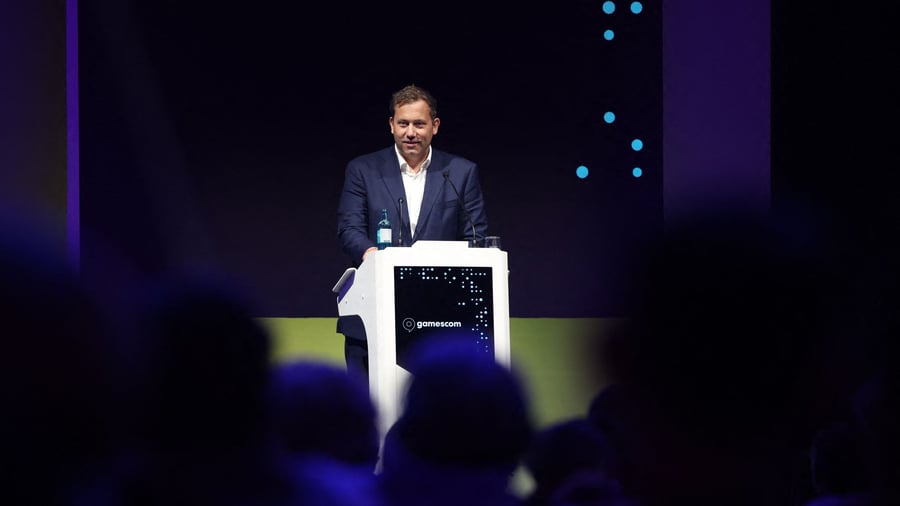
This transformation is apparent in the record-breaking 2026 Startup Summit, which drew over 10,000 participants, 283 speakers, 10 stages, and delegations from more than 30 countries.
Zanuzzi emphasizes that the size of the event is less important than its representation of a transition in Florianópolis' startup ecosystem: from infrastructure development to connecting startups with capital, talent, and markets beyond Brazil. The local ecosystem's strength lies not in tax incentives, infrastructure, or geographic location, but in its community.
A Startup Genome study cited at the summit's opening session found that Florianópolis' founders receive nearly twice as much support from other entrepreneurs compared to counterparts in ecosystems like Stockholm, Frankfurt, or Tel Aviv. Moreover, 96% of founders intend to stay in the city, highlighting the ecosystem's ability to retain talent and knowledge.
This strength is attributed to nearly four decades of collaboration among various institutions, including universities, companies, support organizations, investors, and governments. Together, they have formed a shared framework around technology entrepreneurship. However, the ecosystem faces the challenge of going global. Despite its success, Florianópolis still has fewer connections to global ecosystems and targets global markets from only 23% of startups, according to Zanuzzi's presentation of Startup Genome data.
The summit aims to address this challenge by featuring the Startup Summit Global, which will host international investors, universities, and tech hubs. There will be matchmaking sessions between Brazilian startups and foreign representatives. Zanuzzi stresses that internationalization requires building relationships between people, funds, companies, and universities—not just announcing a global ambition.
Santa Catarina's overall ecosystem ranking as a state is also discussed, with the REPID 2025 index revealing strengths in startups, connectivity, and institutional environment. However, weaknesses in basic education, research and development, and skilled labor could limit continued growth. To tackle this, Sebrae Santa Catarina and the State Secretariat of Science, Technology, and Innovation have presented REPID SC 2030, a plan involving 20 institutions responsible for 80 indicators in the index.
The goal is to create a shared governance agenda to strengthen conditions that foster talent and knowledge, ensuring sustained growth in the coming decade.
Written by urgent.news from Contxto's reporting — not their text. Machine-written — may contain errors; check the original before relying on it.
This story
This is one outlet's version. Read the fullest account.