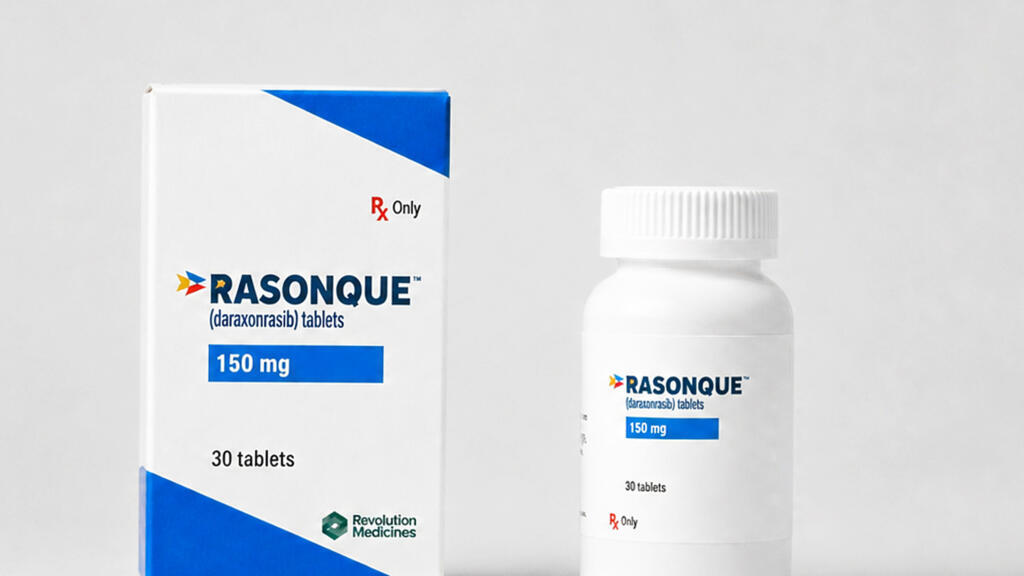
FDA approves new pancreatic cancer drug that could extend patients' lives
Patients taking the first-of-a-kind pill, called daraxonrasib, lived for a median of 13.2 months compared with 6.7 months for chemotherapy recipients, studies showed.
On Wednesday, the Food and Drug Administration (FDA) approved a groundbreaking new drug called daraxonrasib for advanced pancreatic cancer. This marks the first-ever pill that targets a mutated protein fueling tumor growth in over 90% of pancreatic cancer cases. Revolution Medicines will sell the drug under the brand name Rasonque, with a one-month supply costing around $39,800.
In a study, patients taking the drug lived an average of 13.2 months compared to 6.7 months for those on chemotherapy. Side effects included skin rash, mouth sores, diarrhea, and other digestive issues. Pancreatic cancer is often diagnosed late, at which point it has already spread to other organs, making it one of the deadliest forms of cancer.
The American Cancer Society estimates about 67,000 new cases will be diagnosed in the U.S. this year, with more than 52,000 deaths. Former Sen. Ben Sasse, who was diagnosed with stage-four pancreatic cancer, said the drug had been extremely effective for him, reducing his tumor volume by 76% over four months. FDA regulators approved the drug more than six months ahead of their target date, emphasizing their duty to deliver cures and meaningful treatments quickly.
This new drug targets mutations in the RAS gene family, specifically KRAS mutations, which are crucial in fueling pancreatic cancer. The drug uses a molecular glue to bind with multiple KRAS subtypes, overcoming the long-standing challenge of "undruggable" cancer drivers.
Written by urgent.news from CBS News's reporting — not their text. Machine-written — may contain errors; check the original before relying on it.
This story
This is one outlet's version. Read the fullest account.