Economists urge Bank of England to halt bond sales as borrowing costs climb
The Bank of England should abort its costly approach to unwinding quantitative easing, which is stoking the government’s elevated borrowing costs and costing the taxpayer billions of pounds, a group of analysts and bond investors have said. The government’s long-term borrowing costs have risen to levels not seen this century, amid unease at the country’s [...]
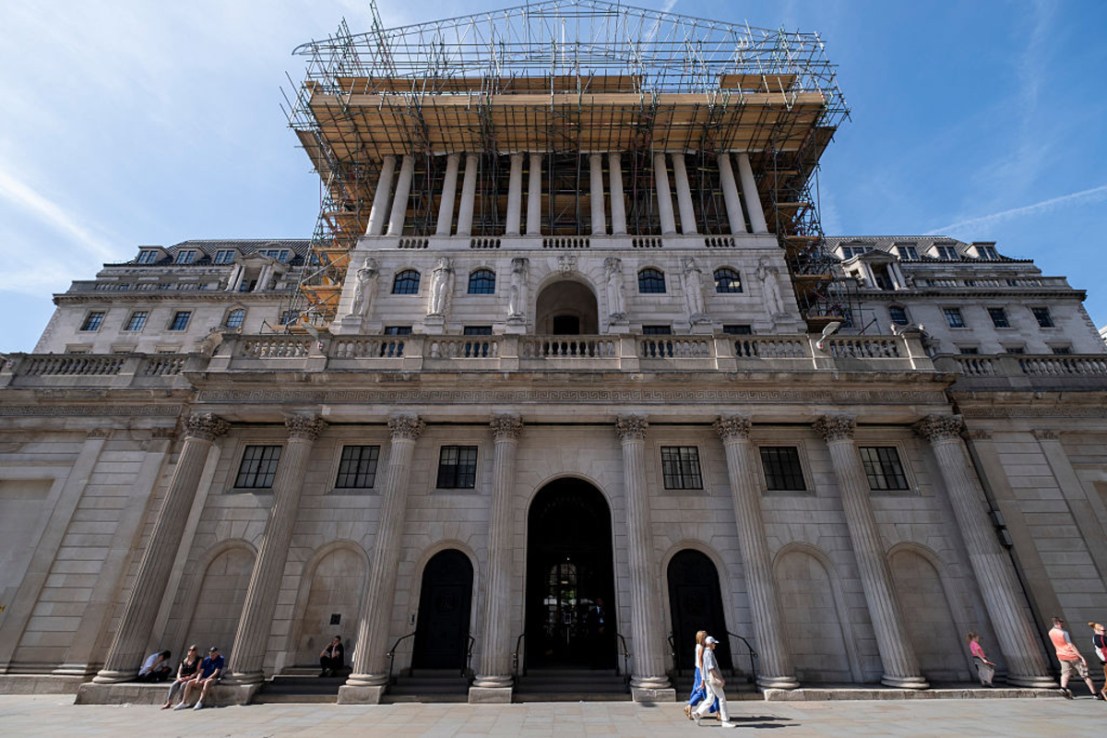
Economists are urging the Bank of England to stop its bond sales as borrowing costs rise. The government's borrowing costs have climbed to levels not seen in a century, driven by fiscal concerns and inflation worries from the Iran war. The yield on UK 30-year government bonds hit its highest level since 1998 last month, while 10-year yields remain near post-financial crisis highs.
This surge in borrowing costs is part of a broader sell-off of long-dated government bonds, prompting the US Treasury Secretary to double its buyback of debt to keep long-term debt costs down.
The Bank of England is the only major central bank actively selling its bond stockpile, a move that adds to the supply of long-dated gilts and lowers their price. This process, known as "active quantitative tightening," is different from other central banks that have let their bonds mature without replenishing reserves. Analysts question whether the Bank of England still needs to add to the gilt supply through active sales.
With the Bank shrinking its balance sheet by nearly half since the programme began four years ago, some believe active sales should end in an upcoming vote. The Bank has raised estimates on QT's impact, with its effects adding up to 30 basis points to long-dated bond yields. Officials acknowledge it has contributed to a modest increase in long-term interest rates.
However, the Bank is facing criticism over the added pressure QT puts on public finances. Other central banks have kept losses from their programmes on their balance sheets, while the UK's taxpayer is responsible for covering the central bank's losses immediately. Official estimates suggest QT losses could reach £125bn, equivalent to two years of the Department for Education's budget.
Economists argue that this fiscal burden should be spread over time, rather than being crystallized immediately. The Bank of England sets its bond disposal path each September, and analysts predict the Monetary Policy Committee will slow the pace of balance sheet reduction and halt active sales.
Written by urgent.news from City AM's reporting — not their text. Machine-written — may contain errors; check the original before relying on it.