E. coli, Salmonella, Cyclospora: Is the U.S. Seeing a Surge in Foodborne Illnesses?
With several summer food staples hit by contamination, consumers may wonder why there seem to be so many outbreaks.
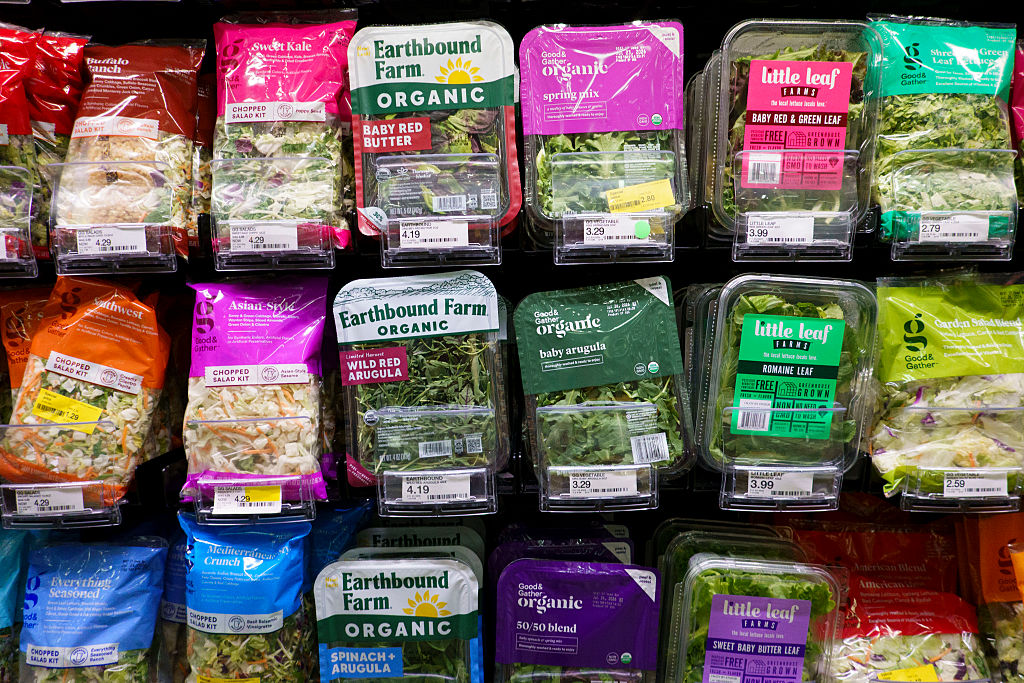
This summer, numerous packaged salad mixes have been recalled due to potential contamination with E. coli, Salmonella, and Cyclospora. These recalls have affected lettuce, eggs, jalapenos, and blueberries, leaving consumers uncertain about what to purchase. While the total number of food recalls is about average for the year, the severity of some outbreaks is unprecedented, according to Janet Hamilton, executive director of the Council of State and Territorial Epidemiologists.
The Cyclospora outbreak linked to iceberg lettuce alone caused over 10,000 illnesses, 400 hospitalizations, and at least two deaths.
The volume of food affected by recalls this year is higher than average, with USDA-regulated recalls impacting over 37 million pounds of food in the first half of 2026, the highest in a decade. However, it is challenging to determine the true severity of these outbreaks due to limited federal data. Seasonal factors, such as warmer temperatures, contribute to an increase in foodborne illnesses during the summer.
Additionally, heightened media attention on food safety issues may make outbreaks appear more severe than they actually are.
Epidemiologists attribute the higher number of outbreaks to improved surveillance capabilities and better detection of foodborne illnesses. However, staffing shortages at federal and state health departments have weakened food safety oversight. One-third of public health officials have left their positions since 2025, leading to challenges in monitoring and controlling existing outbreaks.
Despite advancements in technology and tracking systems, the limited staffing may hinder effective response to foodborne illness outbreaks.
Written by urgent.news from Time's reporting — not their text. Machine-written — may contain errors; check the original before relying on it.