Chronic Traumatic Brain Damage Widespread in Former NFL Athletes
Almost every former National Football League player who died between 2016 and 2021 and allowed their brains to be evaluated were found to have chronic traumatic encephalopathy, stark evidence of the toll repeated head impacts can take on athletes. Researchers …
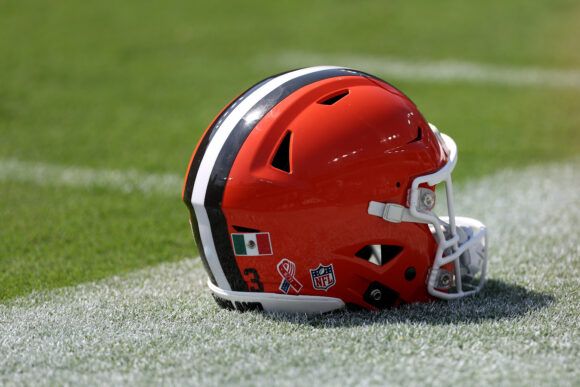
A staggering number of former National Football League players who passed away between 2016 and 2021 exhibited chronic traumatic encephalopathy (CTE), a grave consequence of repeated head impacts, according to a recent study. Researchers analyzed personal data and causes of death for 878 deceased players during the five-year period, when brain donations were at their peak. Out of the 235 athletes whose brains underwent postmortem neurological examination, a staggering 215 had been diagnosed with CTE.
CTE, a progressive brain disease linked to repetitive head trauma prevalent in contact sports such as football and boxing, can only be conclusively diagnosed post-mortem. When researchers expanded their analysis to encompass all football players who succumbed during the study period, they estimated a conservative minimum of nearly 25% had CTE.
This research provides concrete evidence of the detrimental effects that prolonged exposure to head trauma can have on athletes.
Written by urgent.news from Japan Times's reporting — not their text. Machine-written — may contain errors; check the original before relying on it.
Also reported by 1 other outlet
- Chronic traumatic brain damage widespread in former NFL athletes japantimes.co.jp