BPAP Intervention Flops in Asthma Study
(MedPage Today) -- Children with acute asthma exacerbations who received bilevel positive airway pressure (BPAP) in the emergency department (ED) needed continuous albuterol therapy for a similar duration as those receiving sham BPAP with minimal...
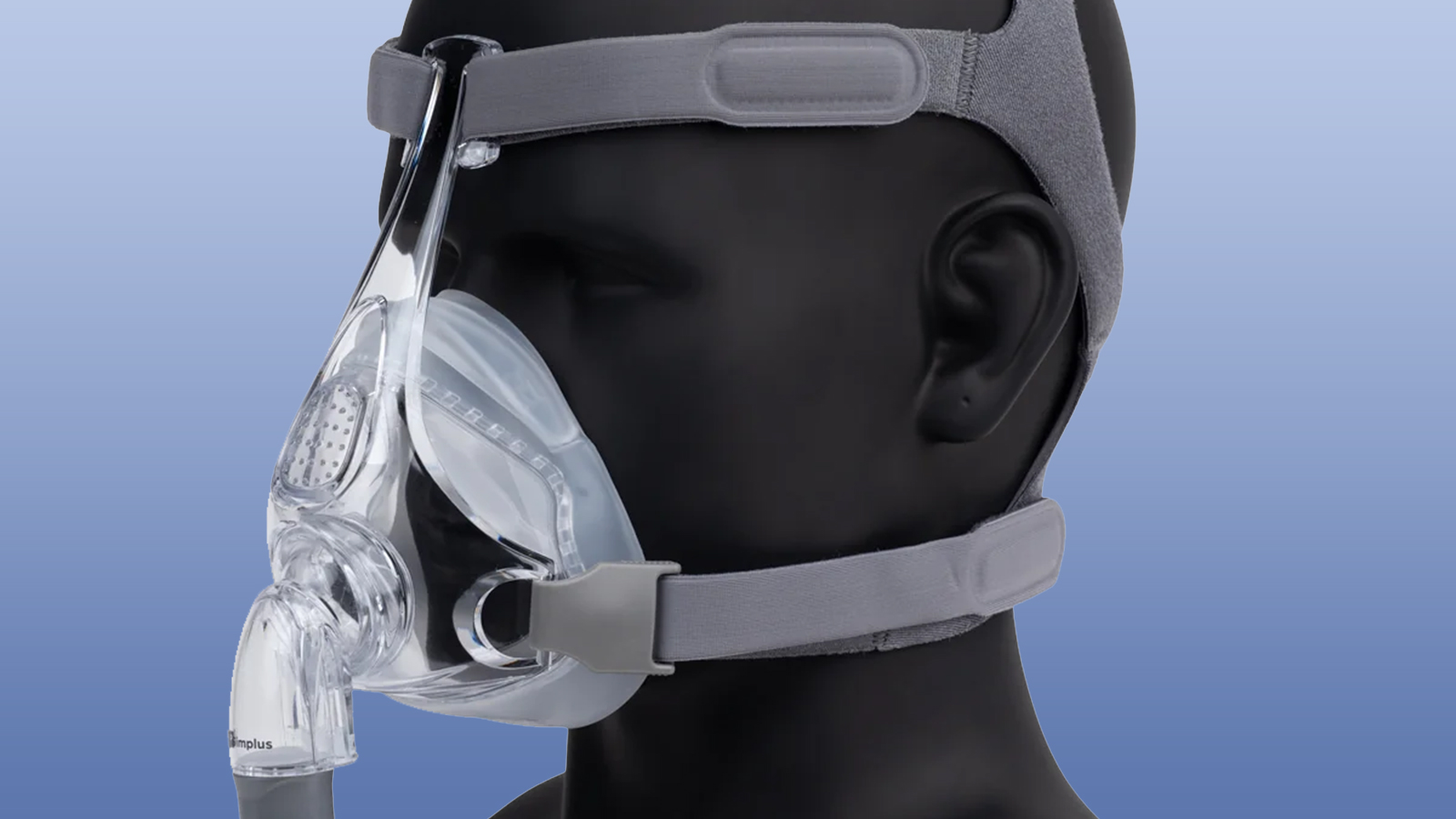
A recent clinical study published in JAMA Network Open has found that early use of bilevel positive airway pressure (BPAP) during emergency department (ED) visits for acute asthma exacerbations in children did not result in any significant improvement compared to a sham BPAP treatment. Dr. Patrick T. Wilson and colleagues from the University of Colorado Anschutz School of Medicine conducted a randomized trial involving 66 patients aged 5 to 17 years.
The study aimed to determine if BPAP would decrease the duration of continuous albuterol therapy, which is typically prescribed to severe asthma patients in the pediatric intensive care unit (PICU) and carries risks such as tachycardia, diastolic hypotension, and lactatemia. However, the BPAP group required a mean duration of 8.3 hours of continuous albuterol therapy, similar to the 8.7 hours observed in the control group (P=0.84).
The researchers also noted that the sham BPAP treatment, despite delivering low pressures and sealed interfaces over the nose and mouth, may not have accurately represented true control conditions. This is due to the potential physiological benefits derived from the heated and humidified gas flow provided by true BPAP.
Although the use of sham BPAP was safe, the authors suggest that it may not be the optimal approach for future randomized trials, as it could potentially provide unintended advantages. They also highlight that decreasing the duration of continuous beta-agonist therapy, a common intervention for severe asthma, would benefit patients clinically and reduce acute care resource consumption.
Asthma accounts for around 140,000 to 230,000 hospital admissions annually in children, with direct costs reaching $3.9 billion in 2017, averaging $28,322 per PICU admission. The study included 66 patients aged 5 to 17 years, with a median age of 10.2, and a 53% male distribution. The mean PRAM (Pediatric Respiratory Assessment Measure) score was 5.2, with 31.8% of participants being white and 31.8% Black or African American.
Patients were randomly assigned to either the intervention group, which received true BPAP, or the control group, which received sham BPAP. The intervention group started with an inspiratory positive airway pressure of 10 cm H2O and an expiratory positive airway pressure of 5 cm H2O, which was adjusted according to a blinded physician's instructions. The control group had a BPAP with reduced pressures of 2.1 cm H2O for inspiratory positive airway pressure and 1.2 cm H2O for expiratory positive airway pressure.
Patients in the intervention group continued BPAP treatment until their continuous beta-agonist therapy was discontinued or for up to 4 hours. In the control group, BPAP continued up to the treating clinician's discretion. For patients weighing at least 20 kg, continuous albuterol was administered at a rate of 15 mg/hour, while those weighing less received 10 mg/hour. Once Pediatric Asthma Scores improved by 2 points or fell below 7, therapy was switched to intermittent inhaled albuterol.
The trial reached its futility analysis at 50% enrollment, as the investigators anticipated a meaningful difference of at least 10 hours in continuous albuterol therapy duration between the two groups. However, the lower bound of the 95% confidence interval for the treatment-control difference at the interim was greater than 50% of the mean in the control arm, leading to the termination of the study.
Despite a small number of patients not receiving treatment due to improvement or equipment failure, the per-protocol analysis of 59 participants showed similar outcomes.
Adverse events were consistent with the therapy, and no serious incidents occurred. The researchers conclude that early BPAP intervention in ED visits for acute pediatric asthma exacerbations may not offer clinical benefits and suggest that future trials should explore alternative control methods.
Written by urgent.news from MedPage Today's reporting — not their text. Machine-written — may contain errors; check the original before relying on it.