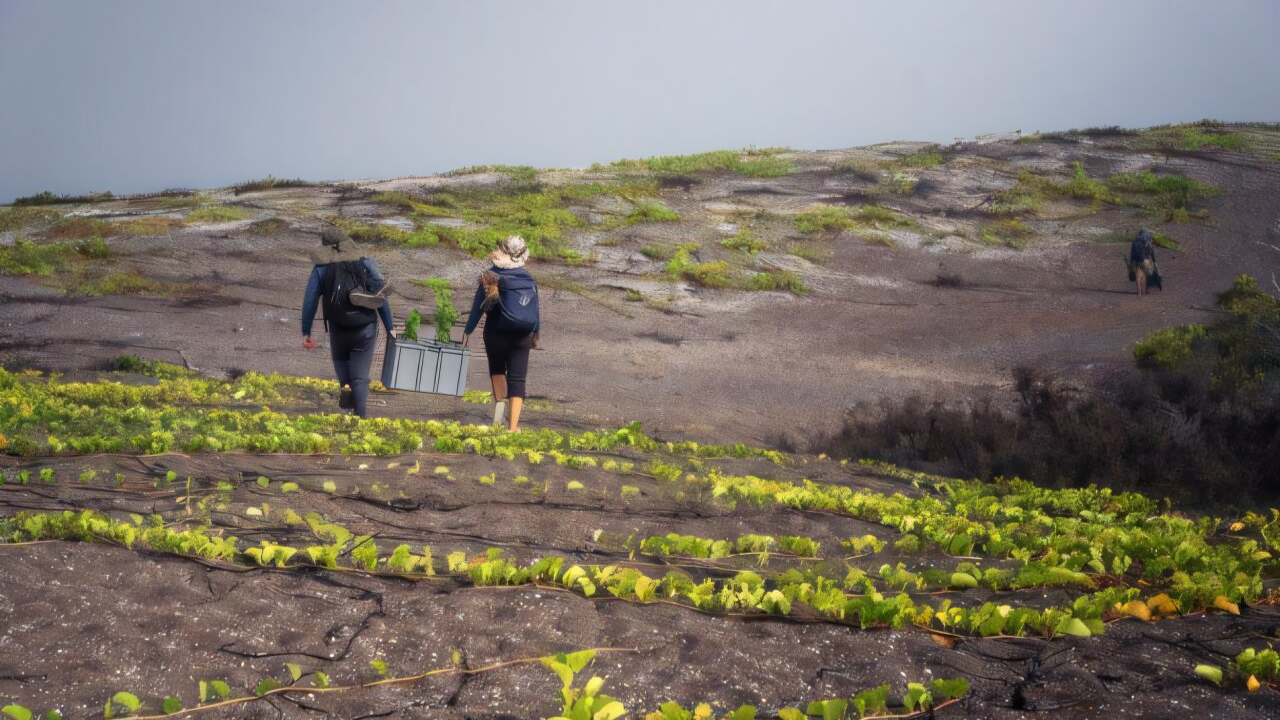
Basalt weathering may remove far less CO₂ than projected
Spreading finely crushed basalt across farmland has been promoted as a relatively simple way to remove large quantities of carbon dioxide from the atmosphere. But a new study led by Cornell researchers suggests the real-world potential of this method, known as enhanced weathering, may be far smaller than widely cited estimates.

Enhanced weathering, a method touted for its potential to remove significant amounts of CO2 from the atmosphere, may be less effective than previously thought. Researchers from Cornell, Stanford, and UC Santa Barbara found that natural basalt landscapes export far less alkalinity than expected after the rock begins to weather. This alkalinity is crucial for converting CO2 into forms that can be stored for long periods.
The study, published in Nature, challenges the assumption that carbon captured during the initial dissolution of basalt can be counted as durable removal. While enhanced weathering could still provide local benefits like buffering soil acidity and supplying nutrients, its role in global carbon removal should be more grounded in the performance of natural systems.
Written by urgent.news from Phys.org's reporting — not their text. Machine-written — may contain errors; check the original before relying on it.