Are mushroom-growing kits seeding a biodiversity crisis across Europe?
What began as a seemingly harmless and delicious hobby may have released an invasive species across the continent. Experts fear that these desirable fungi, now classed in the UK as "high risk", could radically reshape forest ecosystems.
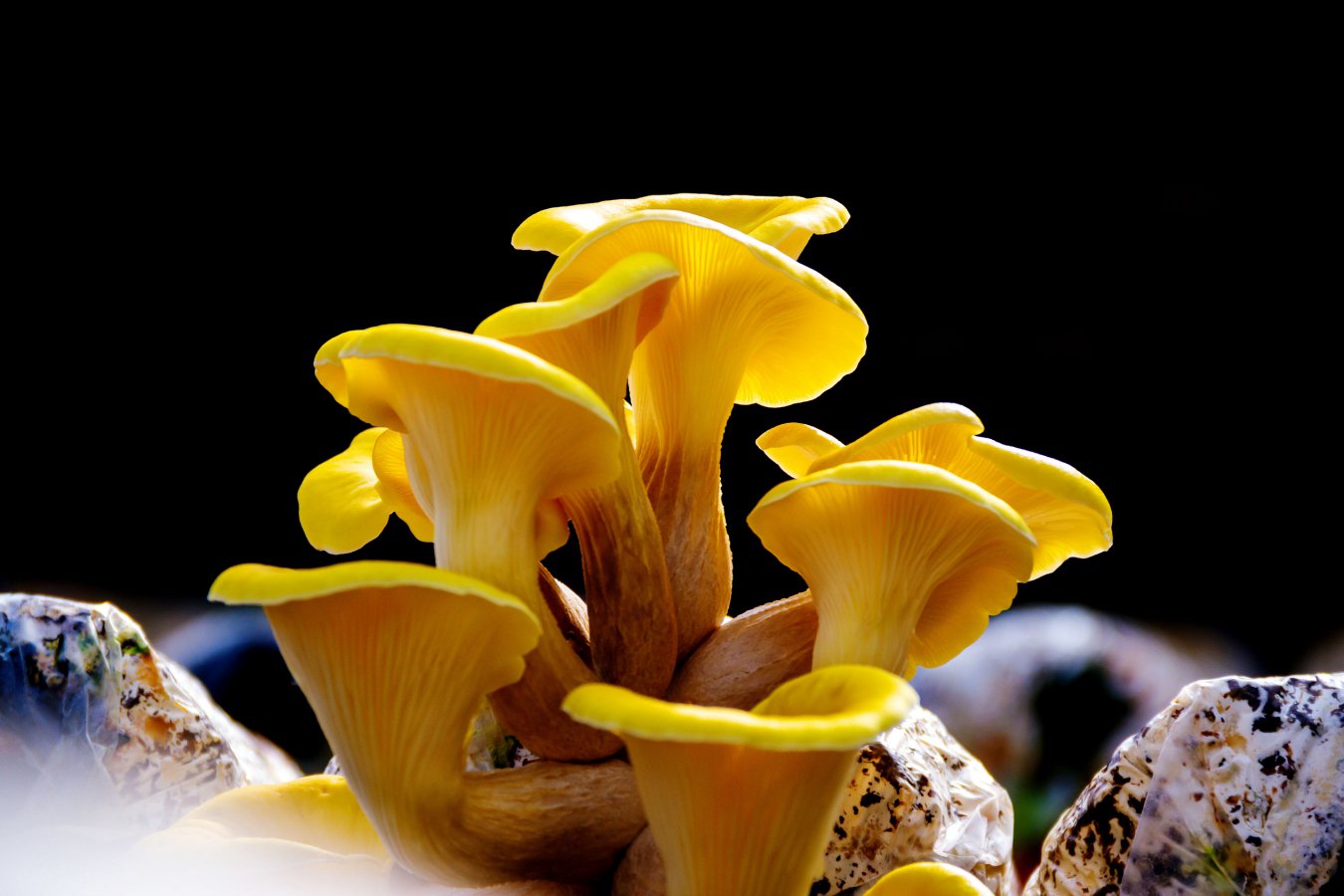
In spring 2024, two sightings of golden oyster mushrooms were reported in the UK, prompting alarm among mycologists. This invasive species, native to East Asia and eastern Russia, has rapidly spread across 25 states in the US. If it establishes itself in the UK, mycologists fear it could disrupt ecosystems and harm biodiversity.
The golden oyster mushroom outcompetes native fungi, leading to a reduction in native species by up to 55%. This invasive fungus also rapidly decomposes deadwood, reducing carbon sequestration and harming habitats for threatened insects like the European stag beetle. Climate change is expected to further facilitate its spread, as the conditions in the UK become more favorable to the golden oyster mushroom.
Mycologists are calling for urgent containment measures to prevent the further spread of this invasive species, which could have devastating consequences for the UK's ancient woodlands and primeval forests.
Written by urgent.news from New Scientist's reporting — not their text. Machine-written — may contain errors; check the original before relying on it.
This story
This is one outlet's version. Read the fullest account.