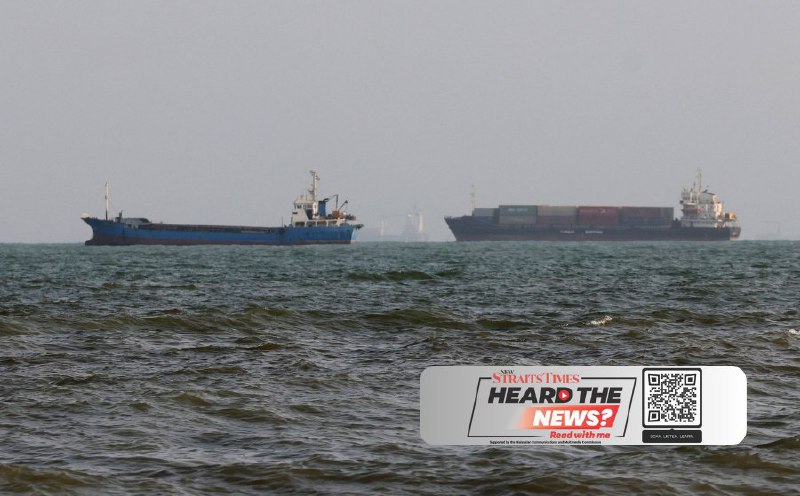
Aramco offers more oil outside Hormuz with some cargoes heading to China
Agencies Singapore Saudi Aramco has offered more oil for loading outside the Strait of Hormuz in September, four sources with knowledge of the matter said on Wednesday, after the p...
Saudi Aramco has extended its oil shipments beyond the Strait of Hormuz in September, with some cargoes destined for China, according to four sources familiar with the situation. This comes after the company sold at least 4 million barrels to China this month. The Strait of Hormuz, a critical chokepoint for global oil trade, has become increasingly insecure due to heightened tensions between the US and Iran.
To avoid possible attacks while transporting oil through the strait, Aramco has reportedly utilized tankers with their tracking systems disabled. This strategy has been employed as the Strait of Hormuz typically accounts for one-fifth of the world's oil and gas exports before the recent US-Iran conflict erupted on February 28.
Aramco has initiated a sales process for Arab Medium and Arab Heavy crude to Asian buyers, with offers made through ship-to-ship (STS) transfers off Fujairah in the United Arab Emirates or Sohar in Oman, both locations situated outside the strait. Bids are due by Wednesday.
These offers follow the successful transit of two supertankers carrying 4 million barrels of Saudi crude to China after loading via STS transfers off Sohar. Shipping data from Vortexa and Kpler revealed this information. The first tanker, Singapore Prosperity, transferred its cargo to the VLCC Xin Hui Yang, which is scheduled to reach the eastern Chinese port of Ningbo on September 15.
Another VLCC, Algeria Prosperity, transferred its cargo to the Xin Han Yang, which is expected to arrive at Zhanjiang port in southern China on September 12. Both cargoes are intended for Sinopec, the world's largest refiner.
Additionally, Aramco sold at least 4 million barrels of heavier grades to PetroChina and Sinochem last week, following the resumption of oil loading at the Ras Tanura port in early August. The company's actions highlight the increasing significance of alternative shipping routes as security concerns in the Strait of Hormuz persistently disrupt regional oil flows.
Written by urgent.news from Qatar Tribune Business's reporting — not their text. Machine-written — may contain errors; check the original before relying on it.
This story
This is one outlet's version. Read the fullest account.