Another wall comes down for Syria
In April last year, just months after Bashar Al Assad’s regime fell in Syria, Saudi Arabia and Qatar agreed to settle that country’s outstanding debts to the World Bank. At just $15 million, the amount was small enough to, perhaps, prompt a double-take among those paying attention. But it highlighted the extent of Syria’s isolation from the global economy, and the international community at…
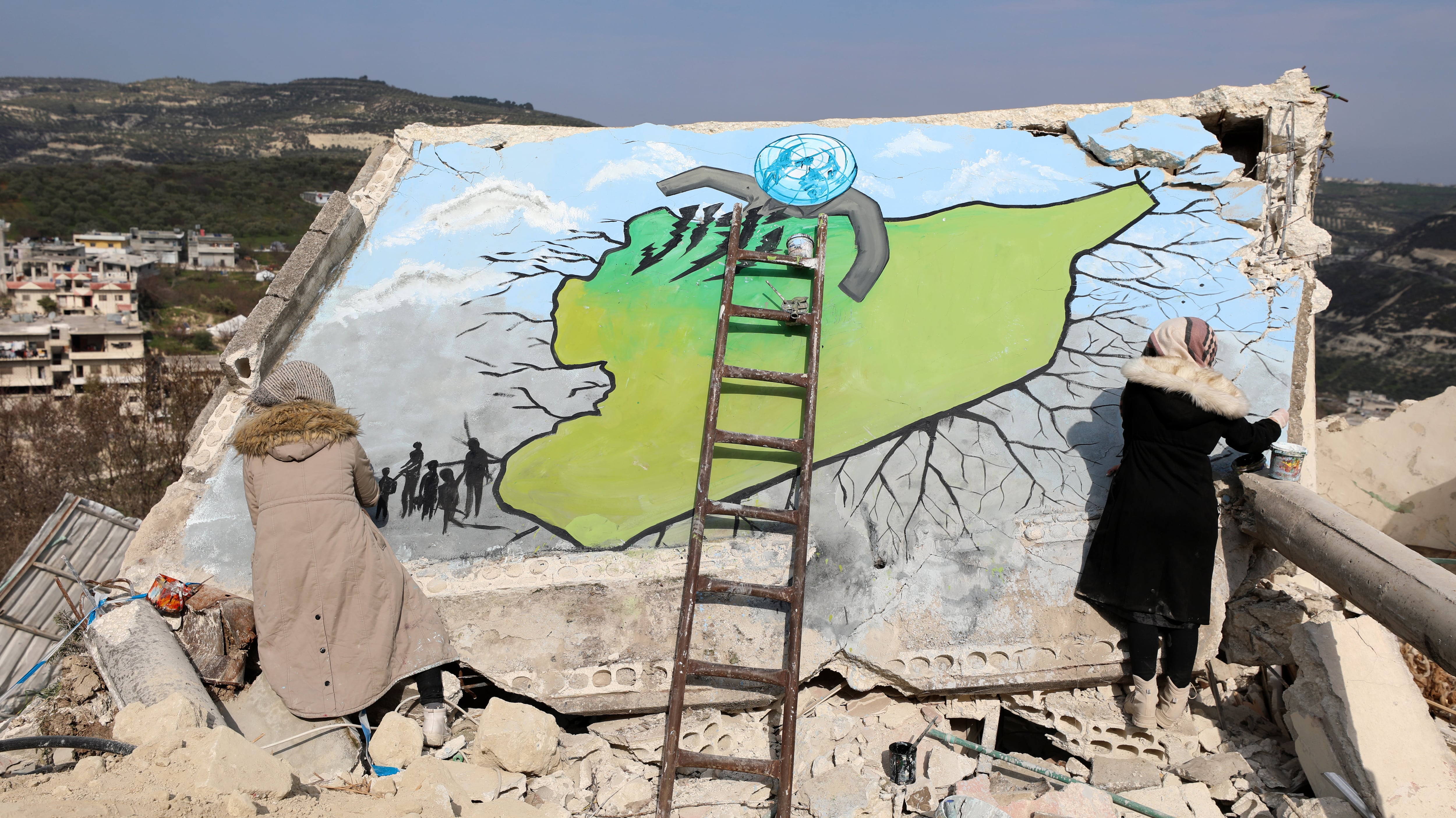
In April of last year, shortly after the Assad regime in Syria came to an end, Saudi Arabia and Qatar decided to settle Syria's outstanding debts to the World Bank. The sum was a relatively modest $15 million, yet it underscored the extent to which Syria had been cut off from the global economy and international community for much of the Assad family's five-decade rule.
The limited access to international banking and markets meant Syria had missed out on decades of opportunities. Recently, Syria achieved a significant milestone when the United States removed the country from its list of state sponsors of terrorism, a status it had held for 47 years. This decision comes as the US State Department seeks to restore Syria to the global community, having previously lifted sanctions under the Caesar Act that penalized international companies, investors, and individuals for supporting the Assad regime.
American officials hailed the announcement, with Treasury Secretary Scott Bessent noting that the move would encourage investment and promote political and economic stability in Syria. Washington's presidential envoy to Damascus, Tom Barrack, summarized the significance by stating, "Today, another wall comes down."
For millions of Syrians, this delisting has been a real barrier to access to essential products and technologies, including critical software like Microsoft Word. Removing the designation could facilitate international transactions for Syrian businesses and individuals, make it easier for investors to do business, and support reconstruction projects with financing.
Imports might become more affordable, and remittances from Syrians living abroad could flow back more readily. However, despite these potential benefits, Syria still faces considerable challenges, including damaged infrastructure, weak institutions, political uncertainty, security concerns, an unstable currency, and the lingering effects of war.
Investors will likely require assurance that the country is genuinely stable and that contracts and banking arrangements are secure. Ordinary Syrians, on the other hand, will gauge the importance of this decision based on concrete improvements to their daily lives, which will likely take some time. Nonetheless, the delisting represents a crucial step towards a more stable, secure, and prosperous future for Syria.
Written by urgent.news from The National UAE's reporting — not their text. Machine-written — may contain errors; check the original before relying on it.
This story
This is one outlet's version. Read the fullest account.
- Another wall comes down for Syria thenationalnews.com